
American Airlines to Install Starlink Wi-Fi on More than One Thousand Aircraft from 2027, Boosting their Inflight Connectivity
American Airlines to Install Starlink Wi-Fi on More than One Thousand Aircraft from 2027, Boosting their Inflight Connectivity

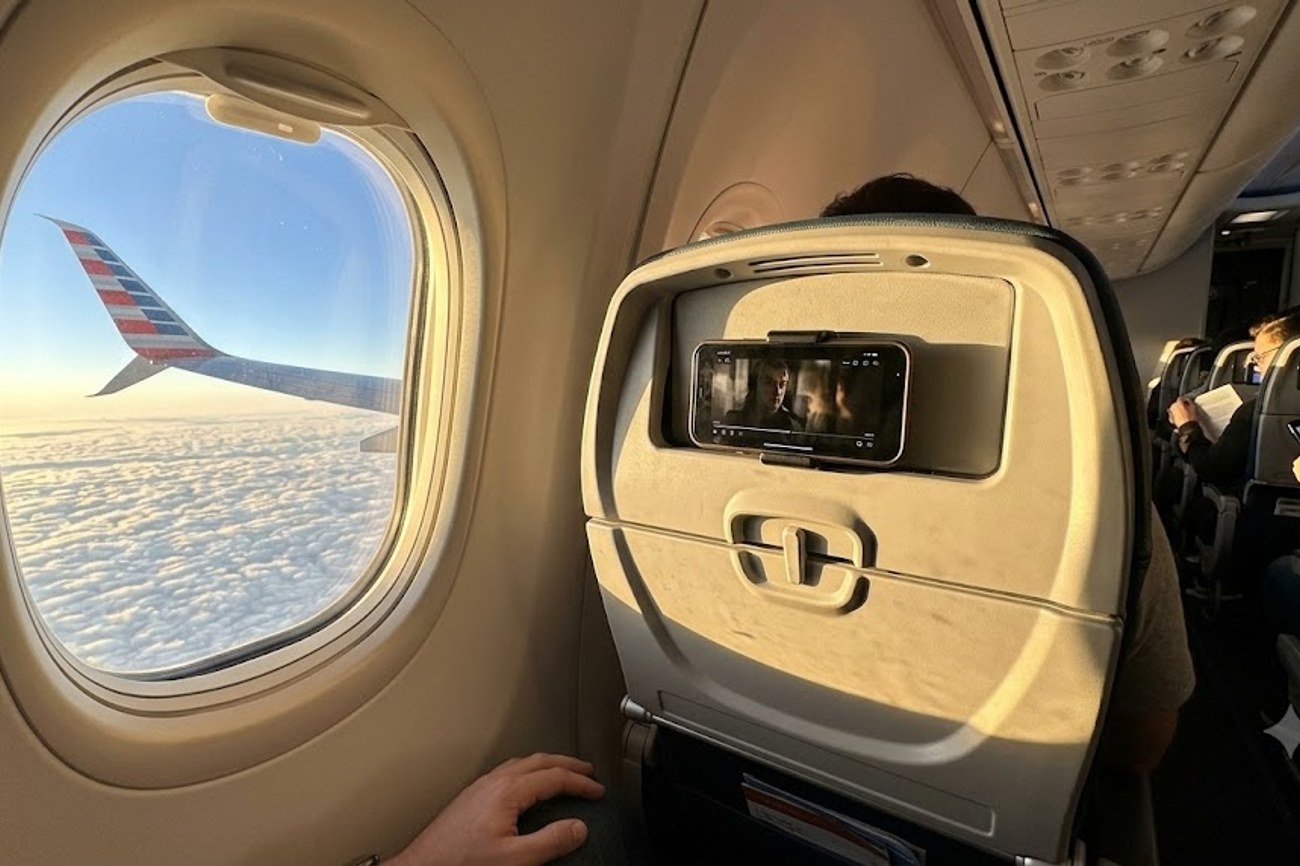
Image generated by AI
[Fort Worth, October 2024] — American Airlines will equip its entire mainline fleet of more than 1,000 aircraft with Starlink Wi-Fi starting in early 2027, marking one of the largest deployments of low-Earth orbit (LEO) satellite connectivity in aviation history.
The carrier is expanding a previous agreement that focused solely on Airbus aircraft to now encompass its entire mainline operation. By installing Starlink’s Performance Aero Terminals across narrowbody and widebody fleets from both Airbus and Boeing, the airline aims to eliminate the inconsistent internet quality currently experienced by passengers across different aircraft types.
The Connectivity Catalyst
The move is driven by a shift in passenger expectations toward "gate-to-gate" high-speed access. American Airlines is replacing legacy inflight connectivity systems with Starlink technology to support data-heavy activities that were previously impossible or unstable on commercial flights. The hardware—the Performance Aero Terminal—is capable of delivering speeds up to 1 Gbps per terminal, providing the bandwidth necessary for simultaneous high-definition streaming and professional remote work across a full cabin of passengers.
Fleet Integration Scale
The rollout targets every segment of the mainline fleet, ensuring that whether a passenger is on a short domestic hop or a long-haul international flight, the hardware remains uniform. This integration is timed to coincide with the airline's broader fleet modernization, including the arrival of more than 300 new mainline aircraft in the coming years.
The following table details the specific aircraft categories slated for the Starlink upgrade:
| Fleet Category | Estimated Aircraft Count | Connectivity Hardware | Target Start Date |
|---|---|---|---|
| Airbus Narrowbodies | 500+ | Performance Aero Terminal | Early 2027 |
| Boeing Narrowbodies | 400+ | Performance Aero Terminal | Early 2027 |
| Boeing Widebodies | 130+ | Performance Aero Terminal | Early 2027 |
| Total Mainline Fleet | 1,030+ | Starlink LEO Satellite | Early 2027 |
What This Means for Travelers
For the 165 million annual passengers flying on American Airlines mainline jets, this represents a fundamental change in the onboard digital environment. Current inflight Wi-Fi often restricts users to basic texting or slow web browsing; the Starlink upgrade shifts the experience toward ground-based speeds.
Passenger Impact Breakdown:
- Streaming & Gaming: The 1 Gbps capacity per terminal allows for the streaming of movies and online gaming without the buffering typical of traditional aircraft satellites.
- Professional Productivity: Business travelers can engage in real-time collaborative work, attend video conferences, and manage large file transfers.
- Social Connectivity: High-bandwidth access enables seamless use of social media platforms and instant messaging apps.
- Uniformity: Travelers connecting between different aircraft (e.g., a Boeing narrowbody for a domestic leg and a Boeing widebody for an international leg) will no longer encounter varying speeds or different login protocols.
The Road to 2027
The implementation phase begins in early 2027. Because the installation of satellite terminals requires specific aircraft downtime and engineering modifications, the rollout will be staggered. American Airlines is coordinating this with the Federal Aviation Administration (FAA) and aircraft manufacturers to ensure the hardware is integrated during scheduled maintenance windows to minimize flight disruptions.
Beyond immediate passenger benefits, the airline is positioning this infrastructure as a foundation for future digital services. This may include enhanced real-time flight data for passengers or integrated e-commerce capabilities within the inflight portal. As the airline takes delivery of 300 additional aircraft, the Starlink standard will likely be integrated into the delivery pipeline, ensuring new planes enter service with LEO connectivity already active.
FAQ: American Airlines Starlink Rollout 2027
When will I be able to use Starlink on my American Airlines flight? Installations begin in early 2027. Because the fleet exceeds 1,000 aircraft, the rollout will happen in phases. Availability will depend on the specific aircraft assigned to your route.
Will the Wi-Fi be free for all passengers? The announcement focuses on the technical hardware and speed capabilities. American Airlines has not yet released the pricing structure or subscription models for the Starlink service.
What is the difference between this and current inflight Wi-Fi? Traditional Wi-Fi uses satellites in geostationary orbit, leading to high latency (lag). Starlink uses low-Earth orbit satellites, which drastically reduces lag and increases speeds up to 1 Gbps per terminal.
Which aircraft will get the upgrade first? The program covers all mainline Airbus narrowbodies, Boeing narrowbodies, and Boeing widebodies. The airline has not specified a priority sequence for these categories.
A new era of aerial connectivity begins as the divide between ground and flight internet finally closes.
#AmericanAirlines #Starlink #AviationTech #Boeing #Airbus #InflightConnectivity2027
Related Travel Guides
Disclaimer
This article is for informational and educational purposes only. It does not constitute legal, financial, or professional advice. While we strive to provide accurate and up-to-date information, travel policies, regulations, and conditions change rapidly. Always verify information with official sources before making travel decisions. Nomad Lawyer makes no representations about the accuracy, reliability, completeness, or suitability of the information provided. Readers should consult qualified professionals for advice specific to their circumstances. The views expressed in this article are those of the author and do not necessarily reflect the views of Nomad Lawyer.
Raushan Kumar
Founder & Lead Developer
Full-stack developer with 11+ years of experience and a passionate traveller. Raushan built Nomad Lawyer from the ground up with a vision to create the best travel and law experience on the web.
Learn more about our team →