
American Airlines Expands Premium Seating on Narrowbody Fleet to Target High-Yield Travelers in 2026
American Airlines is reconfiguring its Airbus A319 and A320 narrowbody fleets to increase domestic first class capacity, shifting focus toward affluent leisure and corporate travelers.

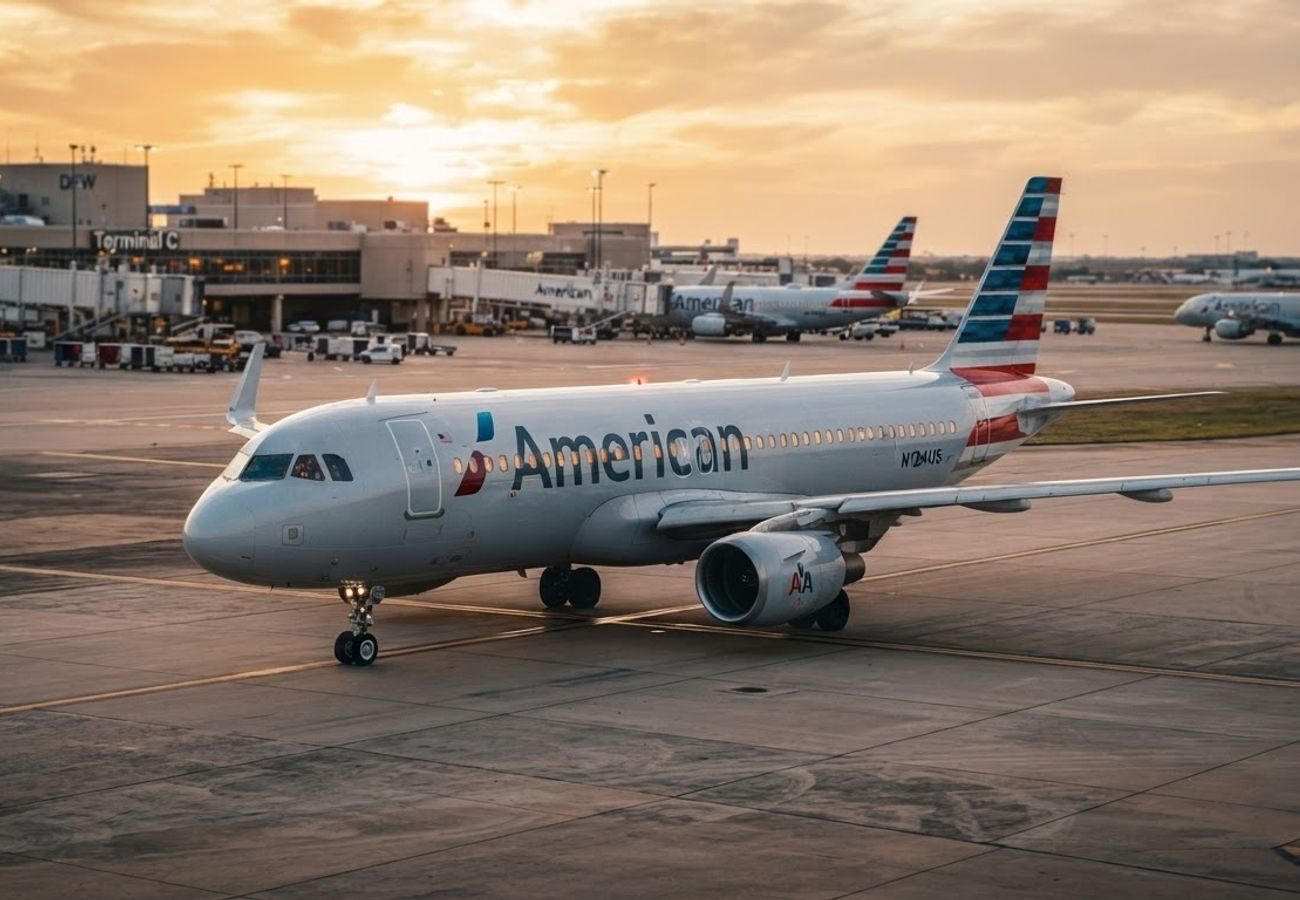
Image generated by AI
American Airlines is aggressively reconfiguring its narrowbody fleet to increase premium seat inventory. This strategic pivot targets high-yield corporate and "premium leisure" travelers to drive revenue growth on domestic and short-haul routes.
Strategic Shift Toward High-Yield Revenue
Our analysis of investor materials and fleet updates confirms that American Airlines is redesigning the interiors of its primary narrowbody aircraft, specifically the Airbus A319 and A320. The objective is to expand the number of domestic first-class seats and higher-paying inventory on routes where widebody aircraft are not economically viable.
This move aligns with a broader industry trend where legacy carriers prioritize affluent passengers and corporate contracts to protect margins. By increasing the ratio of premium-to-economy seating, the airline aims to capture robust demand for extra-legroom and paid upsell products without needing to increase the total number of flights operated.
Fleet Impact and Configuration Breakdown
The reconfiguration program is a phased retrofit focusing on the single-aisle aircraft that form the backbone of the U.S. domestic network.
- Airbus A319 & A320: Undergoing comprehensive retrofits including new interiors, larger overhead bins, updated finishes, and powered seating. Seat maps are being adjusted to increase the number of domestic first-class positions.
- Airbus A321 Family: Continued integration of the A321XLR, which serves as a cornerstone for the premium strategy, offering higher-yield seating on hub-to-hub and major business markets.
- Regional Fleet: A systematic transition from single-class regional jets to dual-class aircraft, ensuring first-class availability even on short-haul regional hops.
Competitive Landscape: The Battle for the Premium Traveler
American's strategy is a direct response to the aggressive premiumization efforts of Delta Air Lines and United Airlines. Both competitors have heavily invested in upgraded lounges and enhanced domestic first-class products.
United has utilized its Polaris and premium transcontinental models as a blueprint for domestic expansion, while Delta has centered its brand identity around Comfort+ and domestic first class. American's expansion allows it to better monetize "trunk routes"—high-traffic corridors between major hubs—where premium demand remains resilient despite price volatility in the economy cabin.
Passenger Rights & Advisory
For the affected passenger, these cabin changes alter the availability and pricing of seats. Our analysis of current aviation policies and carrier trends suggests the following:
For Premium and Elite Travelers:
- Upgrade Availability: A larger premium cabin generally increases the mathematical probability of securing a complimentary or paid upgrade.
- Loyalty Currency: Passengers should monitor their loyalty accounts, as increased capacity often leads to dynamic pricing shifts for award seats.
For Main Cabin Travelers:
- Pricing Pressure: As more cabin space is allocated to premium seating, the total number of standard economy seats decreases. This reduction in supply can lead to higher base fares on specific high-demand routes.
- Amenity Gains: The retrofit program includes the installation of larger overhead bins and powered seats in the main cabin, which may improve the baseline experience.
Compensation and Rights: If a passenger is downgraded from a premium seat to the main cabin due to aircraft swaps or configuration changes, they are typically entitled to a partial refund of the fare difference. Under US DOT guidelines, passengers should request a refund for the price difference if the service provided is significantly downgraded.
Industry Analyst View
The decision to prioritize premium seating over maximum density is a calculated risk. While premium cabins occupy more physical space per passenger, the revenue per square inch is significantly higher.
The challenge for American Airlines will be maintaining price competitiveness against ultra-low-cost carriers (ULCCs). By utilizing a diverse fleet, American can deploy "premium-heavy" jets on business-centric routes while keeping denser configurations on price-sensitive leisure routes, thereby smoothing out revenue volatility.
A strategic gamble on the affluent traveler that could redefine domestic hub-to-hub economics.
Related Travel Guides
Disclaimer
This article is for informational and educational purposes only. It does not constitute legal, financial, or professional advice. While we strive to provide accurate and up-to-date information, travel policies, regulations, and conditions change rapidly. Always verify information with official sources before making travel decisions. Nomad Lawyer makes no representations about the accuracy, reliability, completeness, or suitability of the information provided. Readers should consult qualified professionals for advice specific to their circumstances. The views expressed in this article are those of the author and do not necessarily reflect the views of Nomad Lawyer.
Kunal K Choudhary
Co-Founder & Contributor
A passionate traveller and tech enthusiast. Kunal contributes to the vision and growth of Nomad Lawyer, bringing fresh perspectives and driving the community forward.
Learn more about our team →