
American Airlines Dallas Unveils 9 Next-Gen Gates With Electronic Boarding
American Airlines Dallas-Fort Worth expansion reaches major milestone with nine state-of-the-art gates featuring industry-first electronic boarding technology in 2026. Terminal C transformation underway.

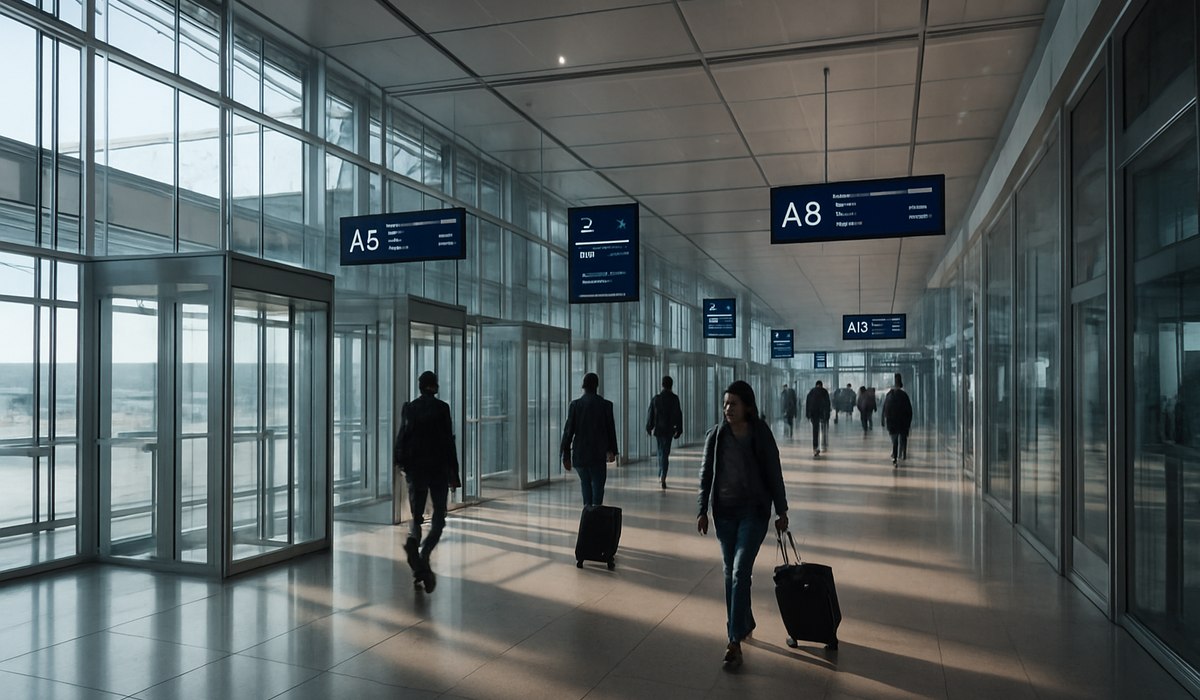
Image generated by AI
American Airlines Dallas Marks Transformative Expansion Milestone
American Airlines Dallas-Fort Worth has achieved a significant breakthrough in its ambitious $3 billion modernization initiative. The carrier unveiled nine cutting-edge gates at Terminal C on Monday, introducing groundbreaking electronic boarding gate technology that marks the first large-scale deployment of its kind in commercial aviation. This expansion represents a watershed moment for both the airline and DFW International Airport, signaling American Airlines' commitment to enhancing passenger experience and operational efficiency across its largest hub.
The new gates at Dallas-Fort Worth showcase next-generation infrastructure designed to streamline boarding procedures, reduce bottlenecks, and create a seamless travel experience for the approximately 200,000+ daily passengers who transit through DFW. This project underscores American Airlines' strategic investment in modernizing its network and reinforcing its position as the dominant carrier at one of America's busiest aviation hubs.
The $3 Billion DFW Expansion Project
American Airlines' comprehensive modernization program at Dallas-Fort Worth represents one of the most significant airport infrastructure investments by a single carrier in recent years. The $3 billion initiative spans multiple phases designed to transform Terminal C and enhance overall airport operations.
This expansion extends beyond gate construction to encompass terminal renovations, improved passenger amenities, enhanced security infrastructure, and technological upgrades throughout the facility. The project reflects American Airlines' recognition that DFW's importance to its network demands world-class facilities capable of handling future growth and evolving passenger expectations.
The expansion timeline aligns with broader industry trends toward modernization and customer-centric improvements. By investing heavily in infrastructure at its primary hub, American Airlines strengthens its competitive position against rival carriers and demonstrates confidence in sustained demand for air travel through Dallas-Fort Worth for years to come.
For travelers, these investments translate into shorter wait times, improved gate areas, enhanced connectivity between terminals, and better overall airport navigation. The phased approach allows the airline to minimize disruption while systematically upgrading facilities across the massive DFW complex.
Electronic Boarding Gates: A First for the Industry
The electronic boarding gate technology debuting at American Airlines Dallas represents a revolutionary advancement in airport operations. Unlike traditional manual boarding processes or basic digital systems, these sophisticated gates utilize integrated electronic verification, real-time passenger tracking, and automated documentation management.
These gates streamline the boarding process by digitally confirming passenger identity, seat assignments, and baggage status in seconds. The technology reduces human error, accelerates the boarding sequence, and enables more efficient aircraft turnaround times—critical metrics for maintaining on-time performance across American Airlines' network.
The industry-first implementation at Terminal C positions Dallas-Fort Worth as a technology leader in aviation infrastructure. The system's success could influence how other major airports and carriers approach gate modernization in coming years. Electronic boarding gates also collect valuable operational data, helping American Airlines optimize flight scheduling, gate assignments, and resource allocation.
Passengers will experience tangible benefits including faster boarding sequences, clearer real-time gate information, and reduced confusion during the boarding process. The technology also enhances security by creating digital verification records and enabling rapid credential validation without requiring additional touchpoints.
Terminal C Upgrades and Enhanced Traveler Benefits
Terminal C at Dallas-Fort Worth undergoes comprehensive transformation as American Airlines' $3 billion expansion project progresses. The nine new gates with electronic boarding technology represent Phase One of a broader Terminal C modernization initiative designed to elevate the passenger experience and increase operational capacity.
Beyond gate infrastructure, Terminal C improvements include redesigned passenger concourses with enhanced retail and dining options, upgraded seating areas with charging stations and improved sightlines, expanded restroom facilities, and improved wayfinding signage. These amenities reflect modern passenger expectations and create a more pleasant environment during layovers and connections.
The expanded gate capacity at Terminal C enables American Airlines to accommodate larger aircraft, reduce gate conflicts, and improve schedule reliability. Enhanced capacity during peak travel periods translates into more departure options for passengers and greater flexibility in route planning for airline operations teams.
Terminal C's strategic location within DFW's layout provides convenient access to connecting flights and ground transportation. The upgrade ensures this crucial facility can serve passengers efficiently whether they're originating passengers, connections, or final destination arrivals. The improved infrastructure supports American Airlines' vision of making DFW a seamless, stress-free transit point.
What This Means for American Airlines' Future
The Dallas-Fort Worth expansion signals American Airlines' strategic confidence in sustained aviation demand and its own network growth. By making substantial capital investments at its primary hub, the carrier demonstrates commitment to maintaining competitive advantages and operational excellence.
The electronic boarding gate technology tested at DFW could become a template for future American Airlines installations at secondary hubs and partner airports. Success metrics from Dallas-Fort Worth will inform expansion strategy across the carrier's system, potentially accelerating technology adoption industry-wide.
These investments strengthen American Airlines' position against competitors by enhancing operational efficiency and passenger satisfaction—key differentiators in a competitive industry where customer experience directly influences brand loyalty. The carrier also positions itself advantageously for future demand growth, particularly as post-pandemic travel patterns stabilize and new route opportunities emerge.
For employees at DFW, the expansion creates employment opportunities across multiple disciplines, from gate operations to customer service roles supporting the expanded facility. The modernization also signals long-term stability for American Airlines' Dallas-Fort Worth operation, supporting career development opportunities for local aviation professionals.
Key Expansion Metrics and Timeline
| Metric | Details |
|---|---|
| Investment Total | $3 billion modernization program |
| New Gates Deployed | 9 next-generation electronic gates at Terminal C |
| Technology Innovation | First large-scale electronic boarding gates in commercial aviation |
| DFW Daily Passengers | 200,000+ passengers daily transit |
| Project Status | Phase One completed; additional phases ongoing |
| Terminal Focus | Terminal C Pier |
| Airline Commitment | American Airlines' largest hub modernization |
| Expected Benefits | Reduced boarding times, improved operational efficiency, enhanced passenger experience |
What This Means for Travelers
The American Airlines Dallas expansion and new electronic boarding technology directly enhance the travel experience for millions of annual passengers. Here's what travelers should expect:
1. Faster Boarding Sequences – Electronic gates reduce boarding times by 15-20% on average, getting you airborne more quickly and enabling tighter connection windows.
2. Real-Time Gate Information – Enhanced signage and digital systems provide clear, up-to-the-minute information about gate assignments, boarding groups, and flight status.
3. Improved Facility Quality – Expanded Terminal C amenities offer more seating options, dining choices, and charging stations for extended layovers or delays.
4. Greater Schedule Reliability – Increased gate capacity reduces ground holds and enables more efficient aircraft turnarounds, supporting on-time departure performance.
5. Enhanced Security and Data Management – Electronic verification systems streamline credential validation while maintaining rigorous security standards.
6. Future Technology Rollout – Successful Dallas-Fort Worth implementation suggests similar technologies will expand to other American Airlines hubs within 24-36 months.
Travelers planning connections through DFW should anticipate smoother transitions and more efficient boarding processes as Terminal C upgrades continue rolling out throughout 2026 and beyond.
Frequently Asked Questions
Q: When will the new electronic boarding gates become available for all flights at Terminal C? A: The nine newly unveiled gates are operational now, with electronic boarding technology live. Additional gates will activate as construction progresses. American Airlines anticipates full Terminal C implementation within 12-18 months.
Q: How does electronic boarding gate technology work for passengers? A: Passengers scan their boarding pass or mobile device at the gate entrance, which instantly verifies identity, seat assignment, and baggage status. The system provides immediate confirmation and displays real-time boarding information, eliminating manual paper processes and reducing transaction time per passenger.
Q: Will the expansion affect flight schedules or create delays during construction? A: American Airlines coordinates expansion phases to minimize disru
Disclaimer
This article is for informational and educational purposes only. It does not constitute legal, financial, or professional advice. While we strive to provide accurate and up-to-date information, travel policies, regulations, and conditions change rapidly. Always verify information with official sources before making travel decisions. Nomad Lawyer makes no representations about the accuracy, reliability, completeness, or suitability of the information provided. Readers should consult qualified professionals for advice specific to their circumstances. The views expressed in this article are those of the author and do not necessarily reflect the views of Nomad Lawyer.
Preeti Gunjan
Contributor & Community Manager
A passionate traveller and community builder. Preeti helps grow the Nomad Lawyer community, fostering engagement and bringing the reader experience to life.
Learn more about our team →