
American Airlines Boeing 737 MAX 8 Domestic-Only Strategy Explained 2026
American Airlines restricts its Boeing 737 MAX 8 fleet to domestic routes despite aircraft capable of transatlantic flights. Discover the operational and strategic reasons behind this decision in 2026.

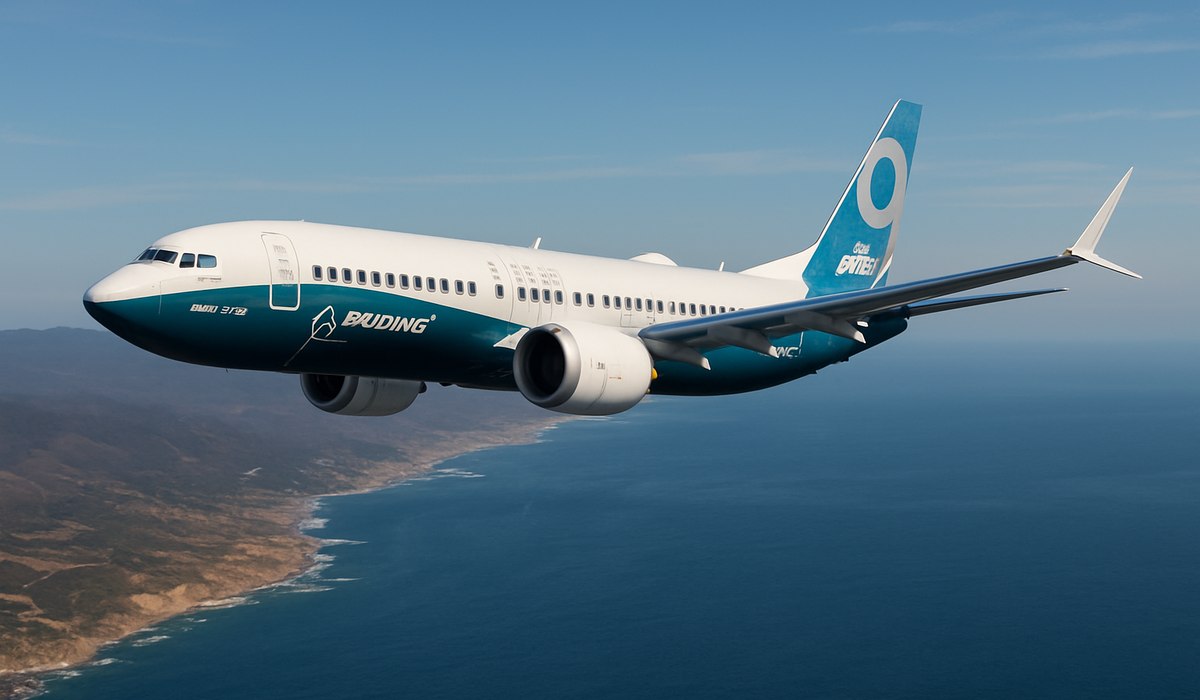
Image generated by AI
American Airlines Keeps Its Boeing 737 MAX 8s Grounded on Domestic Routes Despite Transatlantic Capability
American Airlines, one of the world's largest carriers, maintains a substantial fleet of Boeing 737 MAX 8 aircraft as its fourth-largest narrowbody offering. Yet despite these jets possessing sufficient range for transatlantic crossings to Europe and extended Pacific routes to Hawaii, the airline deliberately confines them to domestic and overland US operations. This strategic decision raises important questions about aircraft deployment, operational economics, and the future of American's long-haul network capacity through 2026 and beyond.
Why American Airlines Won't Deploy 737 MAX 8s on Long-Haul Routes
The decision to restrict airlines american boeing 737 MAX 8s from oceanic service stems from multiple interconnected factors rather than aircraft capability limitations. The 737 MAX 8 features a maximum range of approximately 3,550 nautical miles, theoretically adequate for flights to London, Paris, and Mediterranean destinations.
However, regulatory and practical constraints override raw distance capacity. Extended twin-engine (ETOPS) certification requirements govern overwater operations, demanding extensive aircraft modifications, crew training protocols, and maintenance infrastructure beyond what American has allocated for this airframe. The financial investment required to certify an entire 737 MAX 8 fleet for transatlantic service significantly outweighs near-term revenue projections.
Additionally, passenger comfort expectations on long-haul routes favor larger widebody aircraft like the Boeing 787 Dreamliner and Airbus A350, which American already operates on premium international routes. The single-aisle 737 MAX 8 configuration cannot deliver the premium cabin amenities and cargo capacity that justify ticket prices on routes spanning the Atlantic or Pacific Ocean basins.
The Aircraft's Capabilities vs. Actual Usage
Boeing engineered the 737 MAX 8 for both short-haul and medium-range applications, creating flexibility across diverse route networks. American's domestic deployment represents conservative utilization of available capability.
Technically, the aircraft can sustain flights from New York to Paris or Los Angeles to Honolulu with appropriate reserves. Yet technical feasibility differs fundamentally from commercial viability. American's narrowbody fleet, including 737 MAX 8s, optimizes for quick turnaround operations, frequent daily cycles, and high-density seating configurations that maximize seat-mile revenue on short- to medium-distance routes.
Widebody aircraft designed for long-haul missions offer superior comfort, lower cost-per-seat-mile on extended routes, and compliance with international premium cabin expectations. American's strategic fleet planning prioritizes widebody deployment on transatlantic and transpacific corridors, reserving narrowbodies for domestic competitiveness and regional expansion where turnaround speed generates revenue.
Check FlightAware for real-time American Airlines 737 MAX 8 route scheduling and aircraft positioning to monitor current operations.
Operational and Strategic Constraints Limiting International Deployment
Beyond certification complexity, American faces operational constraints that make international 737 MAX 8 deployment impractical. Maintenance facilities at European and Pacific hub airports would require specialized training and component stockpiling specifically configured for 737 MAX 8 variants.
American's current widebody operations at London Heathrow, Paris Charles de Gaulle, and Honolulu already maintain adequate capacity. Adding a separate 737 MAX 8 maintenance stream would fragment technical operations, increase staffing requirements, and create supply chain redundancies.
Strategic aircraft deployment also reflects American's fleet modernization timeline. The 737 MAX 8 functions optimally on domestic routes where American competes aggressively against United, Delta, and Southwest. Dedicating these aircraft to international service would reduce domestic capacity precisely when American seeks to maximize high-margin domestic frequencies, particularly on transcontinental routes between New York, Los Angeles, and San Francisco.
Visit the FAA website to review current certification standards for extended overwater operations and aircraft type ratings.
What This Means for Passengers and Routes
Passengers booking American Airlines transatlantic or Hawaii-bound flights will consistently encounter widebody aircraft, ensuring superior cabin configurations, improved legroom, direct aisle access, and premium beverage service. This strategy maintains American's competitive positioning against international carriers offering comparable international routes.
For domestic travelers, the 737 MAX 8's presence signifies consistent fleet deployment on high-frequency trunk routes. American operates these aircraft extensively on competitive corridors including New York-Los Angeles, Chicago-Miami, and Dallas-Boston, where rapid turnaround and seat availability drive revenue performance.
The domestic-only strategy reassures passengers that American prioritizes appropriate aircraft-route matching. Transatlantic passengers benefit from proven widebody reliability, while domestic travelers access modern, fuel-efficient narrowbody aircraft optimized for US domestic competitive dynamics.
However, this approach also signals that American has made deliberate choices about fleet investment. Any future international expansion using narrowbody aircraft would require substantial certification, training, and infrastructure investments that current corporate strategy does not prioritize.
Traveler Action Checklist
-
Verify your aircraft type before booking by checking American's route-specific fleet information on their website or calling reservations to confirm widebody service on international flights.
-
Book transatlantic routes with confidence knowing American exclusively uses widebody aircraft designed for premium long-haul comfort and ETOPS certification standards.
-
Monitor domestic route innovations where 737 MAX 8 aircraft enable American to add frequencies and improve schedule options on high-demand US corridors.
-
Review seat maps and cabin configurations specific to your aircraft assignment, as widebody international flights offer significantly different seating layouts than narrowbody domestic service.
-
Check US DOT regulations regarding passenger rights for any schedule changes or aircraft substitutions affecting your booked flight.
-
Confirm baggage and connectivity policies when combining domestic 737 MAX 8 flights with international widebody connections, as aircraft transitions may affect baggage handling procedures.
Key Operational Data Table
| Metric | Details |
|---|---|
| Aircraft Model | Boeing 737 MAX 8 |
| American Airlines Fleet Position | Fourth-largest narrowbody type |
| Maximum Range | ~3,550 nautical miles |
| Primary Deployment | Domestic and overland US routes |
| International Service Status | Currently not operating transatlantic or transpacific routes |
| Estimated Fleet Count | Portion of 1,000+ total American aircraft |
| ETOPS Certification Status | Not configured for extended overwater operations |
| Competitive Advantage | High-frequency turnaround capability on domestic trunk routes |
| Widebody Alternative | Boeing 787, Airbus A350 for international service |
| Key Operating Cost Factor | Maintenance infrastructure and certification complexity for international deployment |
Frequently Asked Questions
Can the Boeing 737 MAX 8 physically fly from New York to London?
Technically, yes. The 737 MAX 8 possesses sufficient range for transatlantic flights. However, regulatory ETOPS certification requirements, passenger comfort standards, and American's strategic fleet deployment decisions currently restrict these aircraft to domestic operations where they optimize revenue performance.
Why doesn't American Airlines certify its 737 MAX 8s for European flights?
Certification requires extensive modifications, crew retraining programs, and maintenance infrastructure investments. American prioritizes widebody aircraft on international routes, making incremental narrowbody certification economically inefficient given available widebody capacity and passenger expectations on long-haul routes.
Will American Airlines ever deploy 737 MAX 8s internationally?
Future strategy changes depend on market demand, widebody aircraft availability, and profitability projections. Currently, American's corporate planning maintains widebody-exclusive international service. Any future
Disclaimer
This article is for informational and educational purposes only. It does not constitute legal, financial, or professional advice. While we strive to provide accurate and up-to-date information, travel policies, regulations, and conditions change rapidly. Always verify information with official sources before making travel decisions. Nomad Lawyer makes no representations about the accuracy, reliability, completeness, or suitability of the information provided. Readers should consult qualified professionals for advice specific to their circumstances. The views expressed in this article are those of the author and do not necessarily reflect the views of Nomad Lawyer.
Preeti Gunjan
Contributor & Community Manager
A passionate traveller and community builder. Preeti helps grow the Nomad Lawyer community, fostering engagement and bringing the reader experience to life.
Learn more about our team →