
American Airlines Barefoot First-Class Passenger Sparks Dress Code Debate in 2026
A viral image of an American Airlines barefoot first-class passenger has ignited industry-wide scrutiny over dress codes and crew enforcement standards. The April 2026 incident reignites debate on airline cabin etiquette policies.

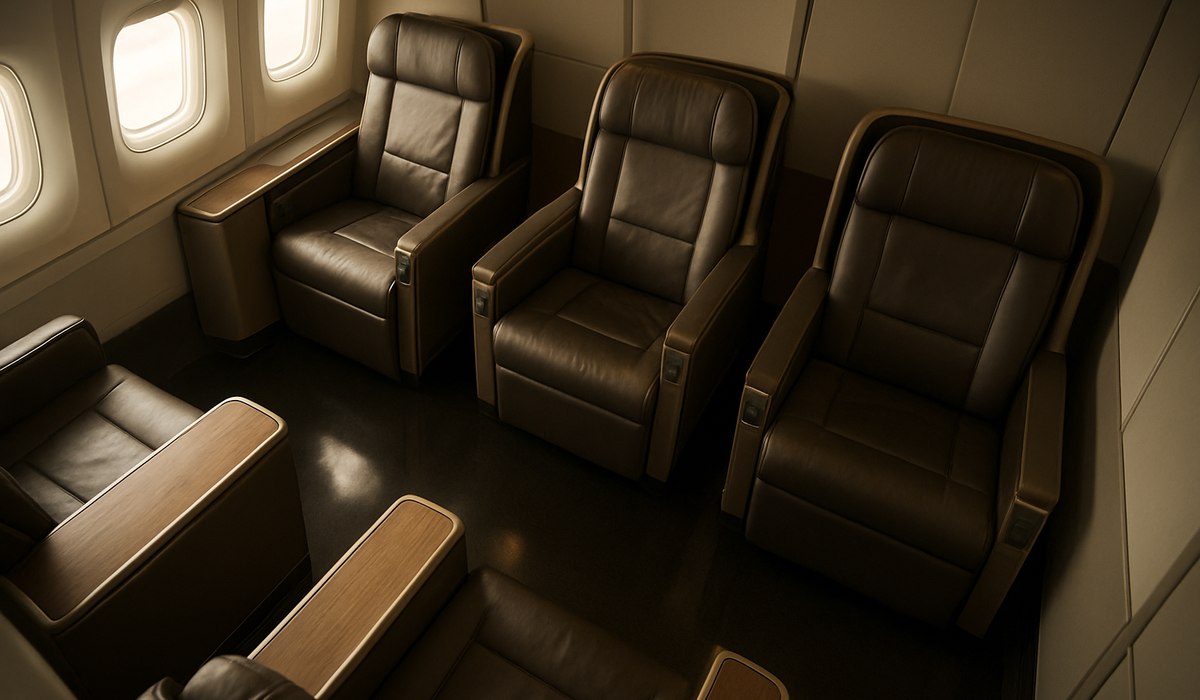
Image generated by AI
Viral First-Class Image Reignites American Airlines Dress Code Controversy
American Airlines faces mounting public backlash after a barefoot passenger in first class went viral on social media in early April 2026, prompting renewed industry debate over dress codes and crew enforcement standards. The photograph, widely shared across travel forums and social platforms, depicted a passenger with visible bare feet in the premium cabin section, triggering immediate criticism from fellow travelers and aviation observers. Within hours, the incident shifted from mocking individual passenger behavior to questioning why airline crew did not intervene—and whether American Airlines' actual policies on footwear are clear enough to enforce consistently across its domestic network.
The controversy underscores a persistent gap between passenger expectations and airline enforcement practices. While American Airlines operates one of the largest domestic networks in the United States, carrying millions of first-class passengers annually, the airline's barefoot policy remains ambiguous in public-facing materials, leaving both crew and travelers uncertain about what constitutes acceptable cabin conduct.
What American Airlines' Actual Barefoot Policy Says
American Airlines does not publish a formal, detailed dress code specific to paying passengers in first class. Unlike some international carriers with explicit footwear requirements, American Airlines embeds cabin conduct expectations within its conditions of carriage and safety guidelines. According to publicly available policy summaries, the airline reserves the right to deny boarding or remove passengers whose clothing is lewd, offensive, or poses a safety concern—but routine casual wear, including shoes off, exists in a gray area.
The industry standard most airlines follow aligns with an informal "no shirt, no shoes, no obscene clothing" principle, particularly when situations could compromise safety or significantly disturb other travelers. However, crew discretion varies flight to flight. A barefoot passenger seated quietly may encounter different responses depending on which crew members are assigned and how they interpret cabin conduct guidelines.
This ambiguity creates confusion. Some passengers assume bare feet are entirely prohibited; others believe removing shoes while seated is acceptable provided they do not walk through aisles barefoot. The American Airlines barefoot incident exposed how differently travelers interpret these unwritten boundaries—and how that inconsistency frustrates both passengers expecting enforcement and crew unsure when intervention is warranted. For detailed policy information, consult American Airlines' official conditions of carriage.
Health, Hygiene, and Safety Concerns Behind the Barefoot Debate
Medical experts consistently cite hygiene as a primary reason airlines discourage bare feet in aircraft cabins. Cabin floors, lavatory surfaces, and seat areas experience high-traffic exposure to spills, bodily fluids, and contaminants that rapid turnaround cleaning may not fully eliminate. Walking barefoot in such environments increases exposure to bacteria, fungi, and pathogens—particularly in and around lavatories.
Even seated barefoot passengers affect nearby travelers' perception of cabin hygiene. In premium first-class cabins where travelers expect elevated comfort and cleanliness standards, visible bare feet can heighten discomfort and trigger negative social media reactions, as the April 2026 incident demonstrated.
Safety poses an equally important concern. Federal aviation guidelines and airline training materials emphasize that during emergency evacuations, sturdy closed-toe footwear protects feet from debris, hot cabin surfaces, and sharp objects on evacuation slides. Barefoot passengers may move more slowly during evacuations or sustain injuries that impede emergency procedures—a scenario the [Federal Aviation Administration (FAA)](https://www.faa.gov) and airlines actively work to prevent.
For critics of the American Airlines barefoot incident, these health and safety considerations strengthen arguments for more explicit, consistently enforced footwear expectations across the industry. The consensus suggests that temporary personal comfort does not outweigh potential hygiene risks and safety hazards.
Industry Response and Crew Accountability Standards
The American Airlines barefoot incident has prompted broader conversations about crew training and enforcement consistency across major U.S. carriers. Industry observers note that cabin crew receive guidance on addressing disruptive behavior, but policies around preventive enforcement—such as reminding passengers about footwear expectations before conflicts arise—vary significantly.
Some airlines have begun reinforcing in-flight announcements about dress code expectations during safety briefings. Others rely on crew judgment without explicit scripting, which can lead to inconsistent enforcement. The April 2026 American Airlines situation highlights how this discretionary approach can backfire when high-profile violations occur.
Airlines including United, Delta, and Southwest have faced similar incidents, but American Airlines' size and prominence in domestic markets have amplified scrutiny of this particular case. Industry analysts suggest the incident may pressure major carriers to develop clearer barefoot policies and provide crew with standardized language for addressing violations before they escalate.
The U.S. Department of Transportation's Aviation Consumer Protection Division does not regulate cabin dress codes directly, leaving policies to individual carriers. However, persistent public complaints could influence how airlines adjust their enforcement procedures going forward.
Viral Social Media Response and Passenger Expectations
The barefoot American Airlines first-class image generated thousands of comments within 48 hours, with reactions falling into distinct camps. Some travelers expressed disgust at perceived unsanitary conduct; others defended passenger privacy and comfort; a third group criticized American Airlines' crew for apparent non-intervention.
This polarized response reflects evolving expectations around cabin etiquette in the post-pandemic travel environment. Passengers increasingly associate premium cabin experience with higher standards of conduct and cleanliness. A barefoot first-class passenger—whether causing actual problems or simply appearing inconsistent with premium travel norms—violated these heightened expectations.
The incident demonstrates how social media can rapidly amplify individual passenger behavior into industry-wide policy discussions. American Airlines, despite its size and brand recognition, found itself defending crew practices and policy clarity within hours of the viral image's first appearance. For airlines, this underscores the importance of proactive communication about dress codes before public incidents force reactive statements.
| Aspect | Details |
|---|---|
| Incident Date | Early April 2026 |
| Airline Affected | American Airlines |
| Cabin Class | First Class |
| Primary Issue | Barefoot passenger conduct and crew response |
| Policy Status | No formal published barefoot policy for paying passengers |
| Industry Standard | Informal "no shirt, no shoes, no obscene clothing" guideline |
| Enforcement Authority | Individual crew discretion |
| Safety Concern | Emergency evacuation delays and foot injury risk |
| Hygiene Concern | Cabin floor contamination and disease transmission |
| Public Response | Viral social media criticism; polarized passenger opinions |
| Regulatory Involvement | FAA safety guidelines; no DOT enforcement of dress codes |
What This Means for Travelers
Travelers planning to fly American Airlines first class should understand both official policy and practical enforcement realities:
-
Verify Expectations Before Boarding: American Airlines' public conditions of carriage do not explicitly prohibit bare feet while seated. However, crew retain authority to address behavior deemed disruptive or unsafe. Contact American Airlines directly or review their official website for the most current guidance.
-
Expect Variable Enforcement: Crew discretion means barefoot policies may be enforced differently across flights, times of day, and crew composition. Conservative travelers should assume footwear is expected throughout the flight.
-
Consider Hygiene and Safety: Medical experts advise against bare feet in aircraft cabins due to contamination risks and evacuation safety concerns. Keeping shoes on protects personal health and aligns with crew expectations.
-
Understand Premium Cabin Standards: First-class passengers increasingly expect elevated cleanliness and etiquette standards. Visible bare feet may trigger complaints from nearby travelers and social media attention, even if technically permitted.
-
Monitor Airline Communications: Following the April 2026 incident, American Airlines may clarify or update barefoot policies. Monitor official
Disclaimer
This article is for informational and educational purposes only. It does not constitute legal, financial, or professional advice. While we strive to provide accurate and up-to-date information, travel policies, regulations, and conditions change rapidly. Always verify information with official sources before making travel decisions. Nomad Lawyer makes no representations about the accuracy, reliability, completeness, or suitability of the information provided. Readers should consult qualified professionals for advice specific to their circumstances. The views expressed in this article are those of the author and do not necessarily reflect the views of Nomad Lawyer.
Preeti Gunjan
Contributor & Community Manager
A passionate traveller and community builder. Preeti helps grow the Nomad Lawyer community, fostering engagement and bringing the reader experience to life.
Learn more about our team →