
American Airlines Baggage Fee Increase 2026: What Travelers Need to Know
American Airlines raised checked baggage fees up to $10 in April 2026, marking the first major increase since early 2024. The hike, driven by soaring jet fuel costs exceeding $200 per barrel, affects millions of domestic and short-haul international passengers.

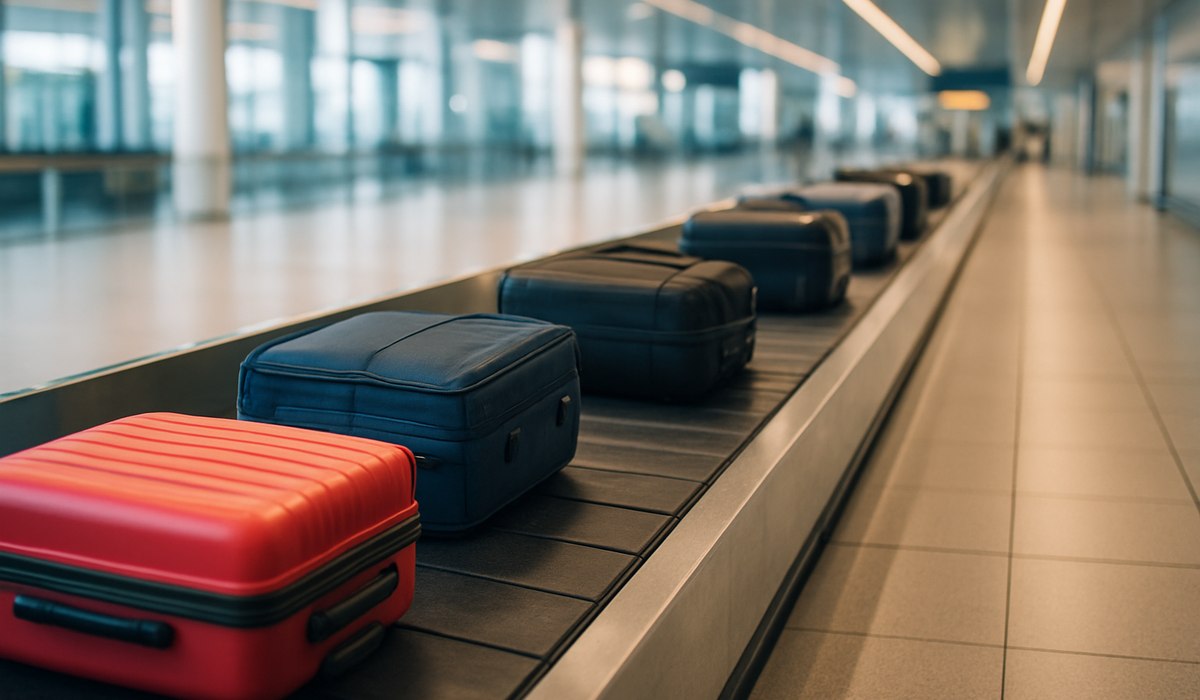
Image generated by AI
American Airlines Raises Checked Baggage Fees Amid Fuel Crisis
American Airlines has implemented significant baggage fee increases across its domestic and short-haul international network this week, joining competitors in a revenue recovery push driven by jet fuel prices that have more than doubled since February 2026. The American Airlines baggage fee increase represents the first major pricing adjustment by major U.S. carriers since early 2024, directly impacting economy and basic economy passengers traveling through major hubs nationwide.
The carrier cited elevated operating costs stemming from geopolitical tensions affecting Middle Eastern oil supplies as justification for the American Airlines baggage fee increase. Benchmark jet fuel prices have climbed above $200 per barrel, compared to approximately $85–$90 in early February, creating unprecedented pressure on airline balance sheets.
American's New Baggage Fee Structure Explained
American Airlines now charges approximately $45 for first checked bags when prepaid online, rising to $50 at airport counters—a $10 increase from previous rates. Second bag fees have climbed to roughly $60, while third bags and specialty items approach $200.
The American Airlines baggage fee increase applies broadly across domestic routes and Canadian flights but excludes premium cabin passengers, elite frequent fliers, and select co-branded credit card holders. Economy passengers booking basic economy fares will face the steepest impact, as these tickets historically included minimal baggage allowances.
For nomadic professionals and digital nomads relying on American Airlines for regular travel, the baggage fee increase adds substantial costs to annual travel budgets. A family checking two bags on a round-trip ticket could now spend an additional $100–$120 beyond headline fares.
The timing reflects industry-wide pricing trends, with United, Delta, and Southwest all adjusting ancillary fee structures in recent months. Airlines prefer raising ancillary fees over base fares because baggage charges remain less visible in fare comparison tools and face lower consumer pushback than headline price increases.
Fuel Costs Drive Unprecedented Airline Revenue Pressure
Jet fuel expenses represent one of airlines' largest variable costs, typically consuming 25–30% of operating budgets. The Bureau of Transportation Statistics confirms that even modest fuel price fluctuations translate into billions of dollars in annual costs for major carriers.
Middle East geopolitical tensions and Strait of Hormuz shipping disruptions triggered the current fuel crisis, pushing prices to levels not seen since 2022. Industry executives estimate the latest spike could add $300–$500 million to American Airlines' annual operating costs, forcing difficult revenue decisions.
When fuel prices spike, carriers face three strategic choices: raise base fares (which damages demand), cut routes (which reduces capacity), or increase ancillary fees (which stay hidden from comparison shopping). American Airlines baggage fee increase represents the third path, allowing revenue alignment without advertising headline price jumps.
Historical precedent suggests the increase will persist long-term. When fuel prices declined in 2023, airlines retained baggage fee hikes rather than returning to previous rates. Checked bag fees have functionally transformed from temporary surcharges into permanent revenue streams.
Which Travelers Avoid the American Airlines Baggage Fee Hike
Premium cabin passengers (First and Business Class) enjoy automatic baggage waiver benefits, insulating them from the American Airlines baggage fee increase. Similarly, passengers holding American Airlines co-branded credit cards—such as the AAdvantage Platinum Select and higher tiers—receive complimentary checked bag allowances.
American Airlines frequent flier elite members (Gold, Platinum, Diamond) also maintain baggage fee exemptions, encouraging loyalty program enrollment. For casual travelers without elite status or premium credit cards, the American Airlines baggage fee increase becomes unavoidable.
Budget-conscious nomads should evaluate whether American Airlines' pricing structure aligns with their travel patterns. Business travelers with regular trips may find elite status acquisition more cost-effective than repeatedly paying baggage fees.
International business travelers booking premium Economy or Premium Cabin fares escape the baggage fee increase entirely, though these higher fares carry other significant premiums. Domestic economy passengers face the steepest impact, particularly those traveling with families or extended luggage requirements.
Industry-Wide Pricing Trend: A Broader Shift
The American Airlines baggage fee increase coincides with simultaneous adjustments by competitors, signaling an industry-wide response to fuel cost escalation. United Airlines, Delta Air Lines, and Alaska Airlines all modified baggage pricing structures within the past 60 days.
This synchronized movement suggests airlines coordinate pricing strategies, though federal antitrust regulations technically prohibit explicit price-fixing agreements. The simultaneous timing, however, reflects common cost pressures affecting all major carriers equally.
Travel industry analysts note that checked baggage fees have climbed significantly faster than inflation over the past decade, even during periods of stable or declining fuel costs. The latest American Airlines baggage fee increase exemplifies this long-term trend, where ancillary charges expand independent of underlying cost justifications.
Senate transportation committees have recently scrutinized "junk fees" across travel, with staff reports highlighting baggage charges as particularly problematic. Policymakers argue that opaque ancillary pricing prevents effective fare comparison and disadvantages cost-conscious travelers.
Federal Aviation Administration oversight and Department of Transportation transparency initiatives may eventually require clearer baggage fee disclosure, though immediate regulatory changes remain unlikely. For now, travelers must manually verify baggage costs before booking.
Impact on Budget-Conscious Nomads and Digital Professionals
Remote workers traveling internationally on American Airlines face heightened costs, particularly those maintaining distributed baggage systems across multiple continents. A digital nomad checking one bag monthly now incurs an additional $540 annually compared to early 2024 rates.
Freelancers and consultants billing travel expenses to clients must account for higher baggage costs when calculating project margins. The American Airlines baggage fee increase effectively reduces per-trip profitability for mobility-heavy professionals.
Nomadic families evaluating relocation costs should incorporate the American Airlines baggage fee increase into total moving expenses. Cross-country or transcontinental relocations involving multiple checked bags now trigger significantly higher airline costs.
However, several strategies mitigate the impact: accumulating elite status through concentrated booking, optimizing luggage through packing efficiency, and evaluating alternative carriers for specific routes. Budget airlines like Spirit and Frontier charge baggage fees universally but often at lower absolute rates than legacy carriers.
The American Airlines baggage fee increase incentivizes subscription services like baggage-inclusive programs or credit card benefits that offset checked bag costs. Platinum frequent fliers maximizing credit card bonus categories may find lifetime elite status achievable through concentrated spending.
Traveler Action Checklist
- Review your upcoming bookings with American Airlines within 30 days to identify affected reservations and evaluate rebooking on competitors
- Calculate total trip cost by adding $45–$60 per bag to headline fares before finalizing American Airlines reservations
- Evaluate elite status acquisition by comparing annual credit card fees against expected baggage cost savings over 12 months
- Consider alternative carriers like Southwest (two free bags) or budget airlines for routes where American Airlines pricing becomes uncompetitive
- Pack efficiently by consolidating luggage into fewer bags and utilizing carry-on allowances maximally to minimize baggage fees
- Check baggage policies before booking by visiting the official American Airlines website to confirm current fee schedules match expectations
- Monitor fuel prices using resources like the EIA petroleum price tracker to anticipate potential fare adjustments or fee reversions
- Document receipts for baggage fees paid to American Airlines for potential business expense deductions or corporate reimbursement claims
Key Data Table: American Airlines Baggage Fee Comparison
| Fee Category | Pre-April 2026 | April 2026 | Increase | Paid Method |
|---|---|---|---|---|
| First Checked Bag (Domestic) | $35 | $45 | $10 | Online Prepaid |
Disclaimer
This article is for informational and educational purposes only. It does not constitute legal, financial, or professional advice. While we strive to provide accurate and up-to-date information, travel policies, regulations, and conditions change rapidly. Always verify information with official sources before making travel decisions. Nomad Lawyer makes no representations about the accuracy, reliability, completeness, or suitability of the information provided. Readers should consult qualified professionals for advice specific to their circumstances. The views expressed in this article are those of the author and do not necessarily reflect the views of Nomad Lawyer.
Preeti Gunjan
Contributor & Community Manager
A passionate traveller and community builder. Preeti helps grow the Nomad Lawyer community, fostering engagement and bringing the reader experience to life.
Learn more about our team →