
Rainforest on a Budget: A Guide to Puerto Maldonado, Iquitos, and Rurrenabaque
Plan an affordable Amazon tour. Explore community-owned lodges in Puerto Maldonado and Rurrenabaque, seasonal rates, and essential gear tips.

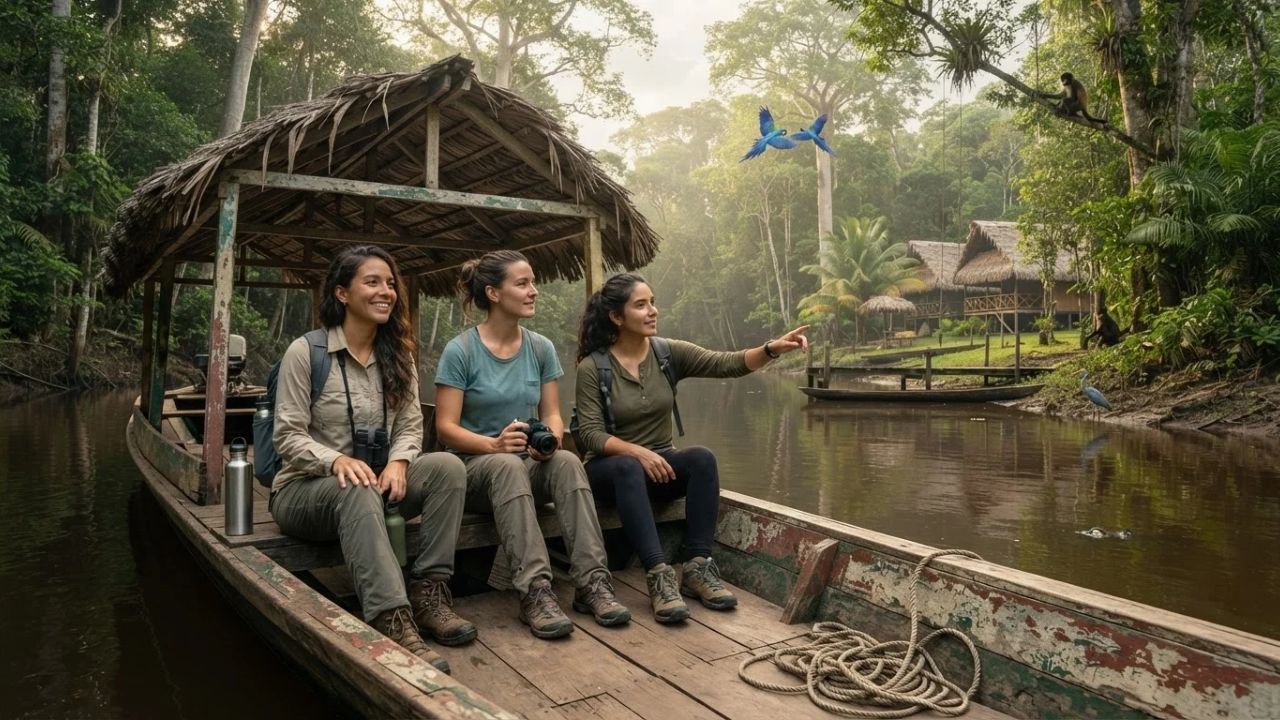
Image generated by AI
Booking an Amazon expedition during the low rainy season yields between thirty and forty percent in direct savings on lodging and tour packages, transforming how budget-conscious travelers explore the rainforest. By prioritizing community-managed lodges in Puerto Maldonado and Rurrenabaque, adventurers can access pristine wilderness while supporting local conservation models.
Navigating the Realities of Rainforest Agritourism
Planning a trip into the Amazon basin presents a challenge for modern travelers who must balance tight budgets with a desire for authentic wildlife viewing. In the travel market, the temptation to choose the cheapest tour package can lead to disappointing results. Low-cost operators often book travelers into degraded forest patches located near urban centers where human activity has forced native animals to retreat, resulting in a poor viewing experience.
Furthermore, fuel costs are a primary driver of tour prices. Operating motorized boats deep into primary rainforest requires significant fuel, meaning underpriced tours often cut corners by shortening travel distances. By selecting destinations that offer high biodiversity close to staging hubs, travelers can minimize both their fuel expenses and their environmental impact. This shift toward localized, high-value ecotourism helps support local communities while protecting natural habitats.
Puerto Maldonado: Peru’s Premier Value Gateway
Located in Southern Peru, Puerto Maldonado is one of the most cost-effective gateways for exploring the Amazon. The town derives its competitive advantage from its proximity to the Tambopata National Reserve:
- Tambopata National Reserve: Because the protected area borders the town, operators can reach pristine forest quickly, keeping fuel expenses low while guaranteeing close-range wildlife sightings.
- Clay Licks: The reserve is home to several clay licks where parrots, macaws, tapirs, and monkeys gather daily to feed on mineral-rich clay, offering reliable viewing opportunities.
- Posada Amazonas Lodge: A community-managed lodge operated in partnership with the Native Community of Infierno. It combines local ownership with comfortable amenities, canopy towers, and oxbow lake excursions.
- Refugio Amazonas Lodge: Located in the reserve's buffer zone, the lodge features a children's educational trail, serving families seeking comfortable forest immersion.
Choosing these community-owned properties ensures that tourism revenue remains within the indigenous communities, directly funding local conservation and healthcare programs.
Gateway Dynamics: Iquitos, Cusco, Manaus, and Rurrenabaque
Other South American staging hubs offer access to the Amazon basin, each presenting unique travel logistics:
- Iquitos, Northern Peru: An urban port directly on the Amazon River. It connects travelers to Pacaya Samiria National Reserve and Tamshiyacu Tahuayo Reserve, but these areas lie far from the city. Reaching undisturbed habitats requires long, fuel-intensive boat trips that increase costs. Lodges like Ceiba Tops offer modern comforts near the city but provide limited deep-forest immersion.
- Cusco, Peru: While celebrated as the gateway to Machu Picchu, travelers wishing to explore the Amazon should bypass overland routes and take a short domestic flight directly to Puerto Maldonado to save travel time and expense.
- Manaus, Brazil: The primary gateway to the Brazilian Amazon. Budget travelers should vet local operators through municipal offices to avoid unlicensed guides.
- Rurrenabaque, Bolivia: The portal to Madidi National Park. Community-managed lodges like Chalalan and Serere provide high-biodiversity encounters, offering an affordable, community-focused alternative to more expensive corporate lodges.
Seasonal Pricing and Hidden Ancillary Costs
Timing your trip plays a key role in managing your travel budget:
- Dry Season (May to October): The peak travel window. Drier trails and milder temperatures draw high visitor volumes, causing lodges and operators to raise their rates.
- Rainy Season (November to April): Often called the green season. While it brings tropical rainfall and humidity, booking during these months yields savings of thirty to forty percent on standard high-season rates, with fewer crowds and lush foliage.
In addition to seasonal rates, travelers must budget for mandatory ancillary costs that are rarely included in basic package quotes. These include municipal conservation permits, national park entry fees managed by protected area authorities (such as SERNANP in Peru or SERNAP in Bolivia), regional port taxes, local staff tips, and transport connecting airport hubs to remote docks.
Community-Based Tourism and Cultural Preservation
For the visitor, the real impact of choosing community-based tourism is the opportunity to learn from guides who live in the forest. Indigenous-owned lodges near Puerto Maldonado and Rurrenabaque channel visitor revenue directly back into local households. Native guides share generational knowledge of medicinal plants, animal tracking, and forest ecology, transforming a standard trek into a cultural exchange.
By choosing local operators, travelers help build an economic model that values standing forests over logging or agriculture, protecting the biodiversity of the Amazon basin.
For example, you can explore the changing dynamics of US Cities Drive Global Tourism Through BBQ, Jazz, Sports, and Authentic Heritage to see how regional pride is shaping travel. For budget-conscious travelers, aligning slow city travel with municipal transit options mirrors similar regional initiatives, such as the Free Admission at Select US State Parks programs. This trend is similar to the tourism growth seen in other destinations, as detailed in our guide on how Utica, New York Emerges as an Affordable Northeast Tourism Hub.
Visitor Insider Tips: Preparing for the Jungle
To plan a safe and cost-effective trip into the rainforest, keep these practical tips in mind:
- Pack Proactively: Specialized gear—such as high-potency insect repellent, lightweight quick-dry clothing, wide-brimmed hats, waterproof dry bags, and headlamps—carries an immense markup at remote jungle outposts. Purchase these items in capital cities or before departure.
- Secure Vaccinations Early: A Yellow Fever vaccination is mandatory for entering many national parks. Carry your international certificate of vaccination, and consult a doctor regarding malaria prophylaxis.
- Request Detailed Breakdowns: Before confirming your reservation, request a complete fee breakdown from your lodge to ensure that park entry permits, boat transfers, and local taxes are accounted for.
- Get Evacuation Insurance: Ensure your travel insurance policy covers emergency medical evacuation from remote, off-grid locations, as local medical clinics are limited.
- Carry Small Denominations: ATMs are rare in gateway towns like Rurrenabaque. Carry cash in local currency and small denominations for tipping guides, purchasing handicrafts, and buying bottled water.
Long-Term Outlook for Amazon Ecotourism
The long-term outlook for tourism in the Amazon basin depends on supporting community-managed conservation. As international travel continues to grow, destinations that protect their primary forests and coordinate with local indigenous groups will remain highly competitive.
By balancing visitor capacity with environmental protection, these regions can ensure that the Amazon remains a destination for sustainable exploration.
FAQ
Which Amazon gateway is best for travelers on a budget?
Puerto Maldonado in Peru and Rurrenabaque in Bolivia are among the most cost-effective gateways due to their proximity to national reserves and the availability of community-owned lodges.
How much can I save by traveling during the rainy season?
Traveling during the rainy (green) season can save you thirty to forty percent on standard lodge and tour tariffs, though you should expect frequent downpours.
What are the main community lodges in Tambopata?
Posada Amazonas Lodge and Refugio Amazonas Lodge are prominent community-managed properties that partner with local indigenous groups in the Tambopata region.
Are park entrance fees included in tour packages?
Park entry permits and conservation taxes are rarely included in the initial tour quote. Travelers should confirm these fees with their operator before departure.
Keep track of the shifting trends in ecotourism and sustainable travel destinations.
Related Travel Guides
Disclaimer
This article is for informational and educational purposes only. It does not constitute legal, financial, or professional advice. While we strive to provide accurate and up-to-date information, travel policies, regulations, and conditions change rapidly. Always verify information with official sources before making travel decisions. Nomad Lawyer makes no representations about the accuracy, reliability, completeness, or suitability of the information provided. Readers should consult qualified professionals for advice specific to their circumstances. The views expressed in this article are those of the author and do not necessarily reflect the views of Nomad Lawyer.
Raushan Kumar
Founder & Lead Developer
Full-stack developer with 11+ years of experience and a passionate traveller. Raushan built Nomad Lawyer from the ground up with a vision to create the best travel and law experience on the web.
Learn more about our team →