
AlUla Sowing Green Future With 1 Million Native Seedlings
AlUla launches landmark native plant restoration initiative in 2026, producing over 1 million seedlings to restore Saudi Arabia's natural landscape and enhance visitor experiences across the destination.

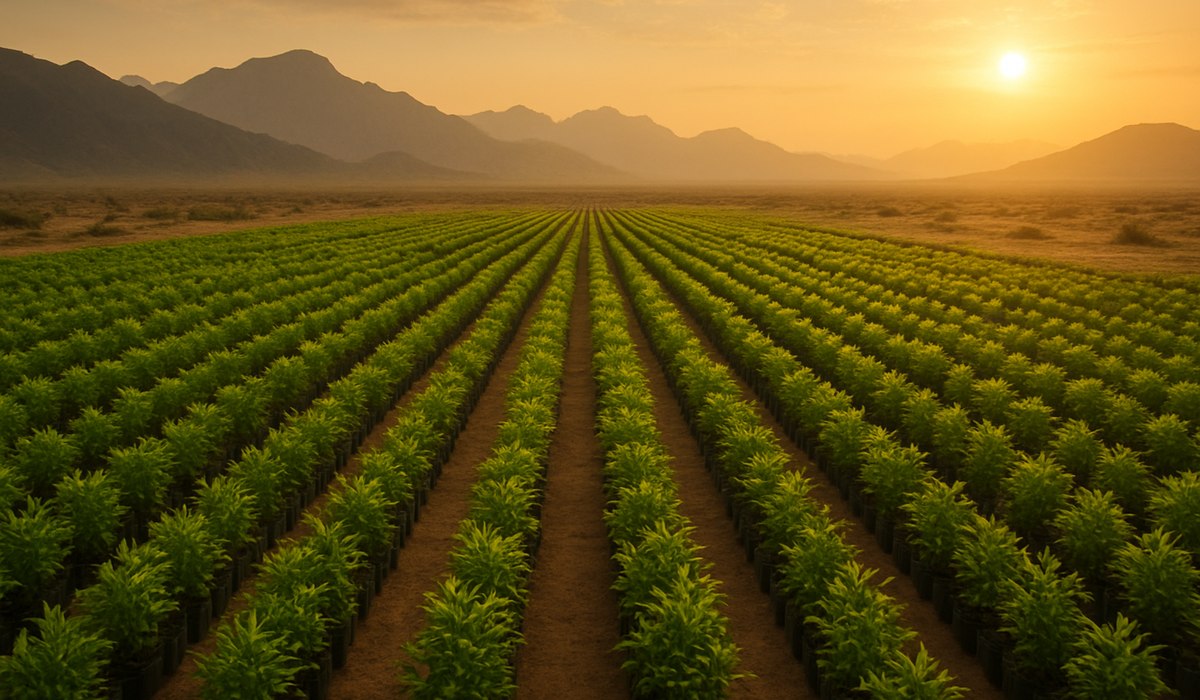
Image generated by AI
AlUla's Million-Seedling Milestone Transforms Desert Landscape
AlUla has produced over 1 million native seedlings through its pioneering Native Plant Nursery and Seedbank, marking a transformative moment for sustainable tourism in Saudi Arabia. The Royal Commission for AlUla (RCU) launched this ambitious environmental restoration project to rewild the destination's natural heritage while fundamentally reshaping the visitor experience. This initiative represents one of the Middle East's most significant botanical restoration efforts, combining conservation science with experiential tourism design. The seedlings—cultivated from indigenous species adapted to AlUla's harsh desert climate—will be strategically planted across 26,500 square kilometers of protected landscape. Travelers visiting AlUla in 2026 and beyond will witness a destination actively healing its ecosystem while maintaining world-class cultural and archaeological attractions.
AlUla Sowing Green: Native Plant Nursery and Seedbank Operations
The AlUla Native Plant Nursery functions as a cutting-edge horticultural facility dedicated to propagating species uniquely suited to the region's arid environment. Staffed by botanists and conservation experts, the facility employs advanced propagation techniques to ensure seedling survival rates exceed industry standards. The accompanying seedbank preserves genetic diversity of endangered native species, safeguarding AlUla's botanical future against climate variability. Over 200 native plant species have been cataloged and integrated into the nursery's breeding program. The operation processes approximately 10,000 seedlings weekly, demonstrating industrial-scale commitment to environmental restoration. Visit the Royal Commission for AlUla's official sustainability page to learn more about nursery operations and conservation partnerships.
Environmental Restoration and Tourism Integration Strategy
The seedlings produced through AlUla sowing green initiatives will be planted in phased deployments across key tourism corridors, archaeological sites, and wilderness reserves. This integration ensures visitors encounter increasingly verdant landscapes as they explore the destination, creating tangible evidence of active conservation. Native vegetation restoration improves soil stability around historic sites, prevents erosion, and creates natural cooling corridors in high-temperature zones. The project directly supports AlUla's positioning as a sustainable tourism destination competing for environmentally conscious travelers. Educational interpretive signage will explain native species' ecological roles, transforming AlUla's natural recovery into an open-air learning experience. Travelers can participate in volunteer planting activities, creating personal connections to the destination's environmental future.
Royal Commission's Comprehensive Sustainability Vision
The RCU's broader sustainability strategy extends far beyond AlUla sowing green initiatives, encompassing renewable energy infrastructure, water conservation systems, and carbon-neutral hospitality operations. The organization has committed to achieving net-positive environmental impact across all development projects by 2030. Biodiversity enhancement directly supports the destination's UNESCO World Heritage Site designation and protects critical ecosystems for indigenous wildlife including Arabian leopards and endemic plant species. The native plant restoration program aligns with Saudi Arabia's Vision 2030 environmental objectives and the Kingdom's commitments to international climate agreements. Investment in nursery infrastructure and long-term planting schedules demonstrates institutional commitment extending decades into the future. Learn more through the UNESCO World Heritage Centre's AlUla documentation.
Visitor Experience Enhancement and Eco-Tourism Opportunities
Travelers visiting AlUla throughout 2026 and subsequent years will observe dramatic landscape transformation as mature vegetation increasingly frames archaeological monuments and natural formations. The restored environment creates superior photography opportunities, more comfortable outdoor temperatures, and enhanced habitat visibility for wildlife observation. Eco-tourism packages now incorporate native plant identification walks, seed-collection experiences, and conservation volunteer opportunities. The restored landscape supports expanded hiking trail networks with improved accessibility and environmental interpretation. Hospitality infrastructure integrated within the greening AlUla environment offers immersive experiences unavailable at competing Middle Eastern destinations. The long-term vision positions AlUla as a premier destination where luxury travel and environmental stewardship become inseparable.
Key Data Table: AlUla's Native Plant Restoration Initiative
| Metric | Value | Impact |
|---|---|---|
| Native seedlings produced | 1,000,000+ | Largest regional botanical restoration effort |
| Protected landscape area | 26,500 km² | Comparable to entire Massachusetts state |
| Native species cataloged | 200+ species | Comprehensive genetic diversity preservation |
| Weekly seedling capacity | ~10,000 units | Industrial-scale propagation operations |
| Target restoration timeline | 10+ years | Long-term environmental commitment |
| Climate classification | Hyper-arid desert | Demonstrates advanced propagation in extreme conditions |
| UNESCO World Heritage status | Yes | Heightened conservation urgency and standards |
| Employment created | Hundreds | Direct and indirect conservation sector jobs |
What This Means for Travelers
The AlUla sowing green initiative creates unprecedented opportunities for environmentally conscious travelers:
-
Witness Active Conservation: Experience a destination literally transforming before your eyes as 1 million native plants mature across archaeological sites and natural formations throughout 2026 and beyond.
-
Participate in Environmental Impact: Join volunteer planting programs that let you directly contribute to desert restoration while creating lasting memories and personal connections to AlUla's future.
-
Enhanced Natural Beauty: Enjoy improved landscape aesthetics, better shade coverage on hiking trails, and superior wildlife viewing opportunities as vegetation density increases across 26,500 square kilometers.
-
Educational Immersion: Engage with interpretive programs explaining native species ecology, traditional land management practices, and contemporary conservation science through guided experiences.
-
Sustainability Certification: Support a destination genuinely committed to net-positive environmental impact, aligning your travel choices with personal conservation values and global climate objectives.
Frequently Asked Questions
What native plant species are being restored in AlUla? The AlUla Native Plant Nursery propagates over 200 indigenous species adapted to hyper-arid desert conditions. These include acacia varieties, endemic succulents, and rare flowering plants critical to maintaining ecosystem biodiversity. Species selection prioritizes genetic diversity and ecological function within AlUla's historic landscape context.
Can travelers participate in the native plant restoration work? Yes. AlUla offers volunteer planting programs integrated into tourism packages, allowing visitors to directly participate in environmental restoration. These activities typically involve half-day experiences combining hands-on planting with educational interpretation from conservation staff.
How long will it take the 1 million seedlings to mature? Native seedlings require 3-7 years to reach mature size depending on species, climate conditions, and irrigation availability. The RCU plans phased landscape transformation visible to regular visitors within 18-24 months as early plantings establish and mature rapidly.
How does AlUla sowing green connect to the destination's UNESCO World Heritage status? Conservation efforts directly support UNESCO requirements for maintaining natural and cultural heritage integrity. Enhanced biodiversity protection and archaeological site stabilization through vegetation restoration strengthen AlUla's World Heritage designation and international recognition.
Related Travel Guides
Explore more about sustainable travel destinations and environmental conservation initiatives:
- Saudi Arabia Sustainable Tourism Guide: Balancing Heritage and Conservation
- Desert Ecosystem Travel: Experiencing Hyper-Arid Landscapes Responsibly
- UNESCO World Heritage Sites with Active Environmental Restoration Projects
Disclaimer
This article reports on AlUla's native plant restoration initiative and sustainability commitments as of April 2026. Information is compiled from official Royal Commission for AlUla announcements, UNESCO World Heritage documentation, and destination development communications. While every effort ensures accuracy, specific operational details, volunteer program availability, and landscaping timelines may change. Travelers should verify current visitor programs, accessibility features, and seasonal planting schedules directly with [the Royal Commission for AlUla's official website](https://www.rcu.
Disclaimer
This article is for informational and educational purposes only. It does not constitute legal, financial, or professional advice. While we strive to provide accurate and up-to-date information, travel policies, regulations, and conditions change rapidly. Always verify information with official sources before making travel decisions. Nomad Lawyer makes no representations about the accuracy, reliability, completeness, or suitability of the information provided. Readers should consult qualified professionals for advice specific to their circumstances. The views expressed in this article are those of the author and do not necessarily reflect the views of Nomad Lawyer.
Preeti Gunjan
Contributor & Community Manager
A passionate traveller and community builder. Preeti helps grow the Nomad Lawyer community, fostering engagement and bringing the reader experience to life.
Learn more about our team →