
Alligator Airport Delay Forces Delta Flight to Pause at Savannah-Hilton Head
A six-foot alligator caused a brief alligator airport delay at Savannah-Hilton Head International in April 2026, forcing Delta Air Lines to pause departure operations while wildlife crews safely relocated the reptile from an active taxiway.

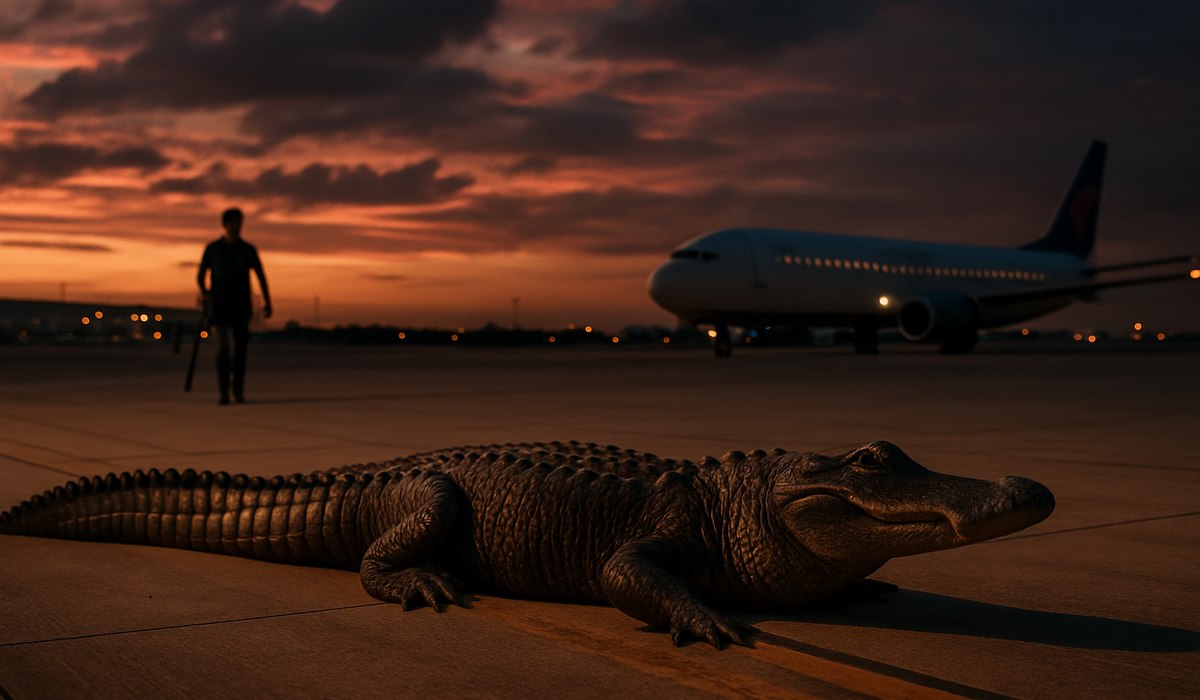
Image generated by AI
Unusual Wildlife Encounter Disrupts Flight Operations
Delta Air Lines faced an unexpected operational pause at Savannah-Hilton Head International Airport on March 20 when a six-foot alligator settled directly onto an active taxiway. The reptile's presence forced airport personnel to halt aircraft movements and coordinate an immediate wildlife response. According to air traffic control recordings, the pilot calmly reported the animal's location and estimated dimensions to the tower. The incident marked one of the most unusual reasons for a departure delay at Georgia's coastal aviation hub. No passengers, crew members, airport workers, or the alligator sustained injuries during the encounter.
Pilot Alerts Tower to Reptile Obstacle
The Delta captain's composed notification to air traffic control became the defining moment of this alligator airport delay. The pilot observed the six-foot reptile moving slowly across the pavement before settling in a stationary position. This behavior created an immediate safety concern, as the taxiway remained blocked until the animal could be safely relocated. Air traffic control audio captures the professional exchange between flight crew and tower personnel. The sequence demonstrates how aviation professionals handle unexpected ground-based obstacles with standard protocol and clear communication.
Swift Airport Response Clears the Taxiway
Airport wildlife management teams responded swiftly following the pilot's report. Trained personnel used wildlife protocols designed to protect both aviation operations and animal welfare. The crews carefully coaxed the alligator away from the aircraft path and toward the airfield perimeter. This systematic approach prevented stress to the animal while maintaining passenger safety. The taxiway closure lasted only briefly before normal operations resumed, demonstrating the effectiveness of Southeast coastal airport wildlife procedures.
Flight Resumes Without Incident
Once wildlife crews successfully relocated the six-foot alligator beyond airport grounds, Delta's departure proceeded without further complications. The brief operational pause—while noteworthy for its unusual cause—resulted in minimal schedule impact. The alligator airport delay created no cascading delays for subsequent flights at Savannah-Hilton Head. Passengers who witnessed the incident from cabin windows received an unexpected natural history lesson. The swift resolution highlighted how modern airports balance environmental coexistence with commercial aviation demands.
Wildlife Context for Southeastern Coastal Airports
Savannah's geographic position within Georgia's coastal marshlands creates habitat corridors that support alligator populations. Retention ponds, rivers, and wetlands near the airport provide suitable environments for these reptiles. Airport wildlife management plans address comprehensive safety protocols including bird hazard mitigation and larger animal containment. The Federal Aviation Administration and Department of Transportation emphasize habitat control and inspection procedures. Regular training ensures airport personnel can execute rapid response when wildlife enters active operating zones. This alligator airport delay illustrates why such preparedness matters in the Southeast.
Key Data Table
| Metric | Detail |
|---|---|
| Airport | Savannah-Hilton Head International (SAV) |
| Airline Affected | Delta Air Lines |
| Incident Date | March 20, 2026 |
| Wildlife Species | American Alligator |
| Animal Length | Approximately 6 feet |
| Location | Active taxiway |
| Response Time | Swift (minutes) |
| Injuries Reported | None |
| Flight Impact | Brief departure delay |
| Resolution | Safe relocation outside airport |
What This Means for Travelers
The alligator airport delay at Savannah-Hilton Head reveals operational realities for passengers connecting through Southeast coastal airports. Understanding wildlife-related disruptions helps travelers manage expectations during peak travel seasons.
Traveler Action Checklist:
-
Book flights with schedule buffers – Allow 2+ hours between connections to accommodate unexpected delays from any cause, including wildlife incidents.
-
Monitor real-time flight status – Use FlightAware to track departure changes and receive alerts about ground delays affecting your flight.
-
Review airline delay policies – Check Delta's compensation guidelines at US Department of Transportation for eligibility information before travel.
-
Understand ground delay implications – Wildlife-related pauses rarely cascade into major schedule disruptions but warrant awareness during booking decisions.
-
Stay informed via airport notifications – Enable push alerts from Savannah-Hilton Head for real-time operational updates and taxiway status changes.
-
Know your passenger rights – Familiarize yourself with DOT regulations regarding meals, communication, and compensation for various delay categories.
FAQ
What causes alligator airport delays at Savannah-Hilton Head? Savannah's coastal location provides natural alligator habitat through marshlands and retention ponds near the airport. During warmer months, these reptiles migrate through human-developed areas seeking water sources and territory. Standard wildlife management protocols address these occasional incursions, treating them as routine operational challenges rather than safety emergencies.
How long did the alligator airport delay last? The March 20 incident caused only a brief operational pause—lasting minutes rather than hours. Aircraft movement on the affected taxiway resumed shortly after wildlife crews successfully relocated the six-foot reptile beyond airport grounds. This rapid resolution prevented cascading delays for subsequent departures and arrivals at the Georgia facility.
Will this alligator airport delay affect my Delta booking? Single-incident wildlife disruptions rarely impact future flight schedules or passenger bookings. Delta and Savannah-Hilton Head maintain comprehensive wildlife management procedures specifically designed to minimize operational impact. Travelers should monitor flight status using standard tools rather than assume recurring delays from this isolated event.
How do airports prevent future alligator airport delays? The Federal Aviation Administration requires airports in wildlife habitat zones to maintain management plans addressing animal control and perimeter inspection. Savannah-Hilton Head conducts regular airfield walks, maintains habitat barriers, and trains personnel in rapid wildlife response. These proactive measures reduce incident frequency while protecting both aviation operations and animal populations.
Related Travel Guides
- Denver International Airport Reeling from Southwest and American Airlines Disruption: 5 Grounded Flights and 72 Delays Trigger Travel Chaos for Colorado Springs, Durango, and LaGuardia Routes; Major Aviation Updates
- China Travel Flights: 25+ Cancellations Across Major Airlines in March 2026
- Air India Flight AI2651 Suffing Startling Tail-Strike at Bengaluru Airport as Delhi to Karnataka Route Aborts Landing Triggering Flight Cancellations, Airport Disruptions, and Passenger Travel Chaos: New Airline News and Aviation Updates
Disclaimer
This article documents the alligator airport delay incident at Savannah-Hilton Head International Airport occurring on March 20, 2026, based on publicly reported air traffic control communications and airport authority statements. Information regarding Delta Air Lines operations, wildlife management protocols, and passenger procedures reflects policies current as of April 2026. Regulations and compensation frameworks evolve continuously; travelers should consult the US Department of Transportation Civil Aviation Consumer Protection Division for authoritative guidance on delay eligibility and passenger rights. Contact your specific airline directly regarding schedule changes, rebooking options, and compensation determinations. Airport wildlife protocols vary by facility; verify current operational procedures with Savannah-Hilton Head International Airport's official communications before travel. Verify with your airline, airport authority, and transportation regulators before making travel arrangements or filing delay-related claims.
Disclaimer
This article is for informational and educational purposes only. It does not constitute legal, financial, or professional advice. While we strive to provide accurate and up-to-date information, travel policies, regulations, and conditions change rapidly. Always verify information with official sources before making travel decisions. Nomad Lawyer makes no representations about the accuracy, reliability, completeness, or suitability of the information provided. Readers should consult qualified professionals for advice specific to their circumstances. The views expressed in this article are those of the author and do not necessarily reflect the views of Nomad Lawyer.
Raushan Kumar
Founder & Lead Developer
Full-stack developer with 11+ years of experience and a passionate traveller. Raushan built Nomad Lawyer from the ground up with a vision to create the best travel and law experience on the web.
Learn more about our team →