
Alaska Airlines Retires Virgin America Brand to Unify Operations
Alaska Airlines purchased Virgin America for $2.6B in 2016 and retired the brand in 2018 to reduce costs and standardize its West Coast fleet.

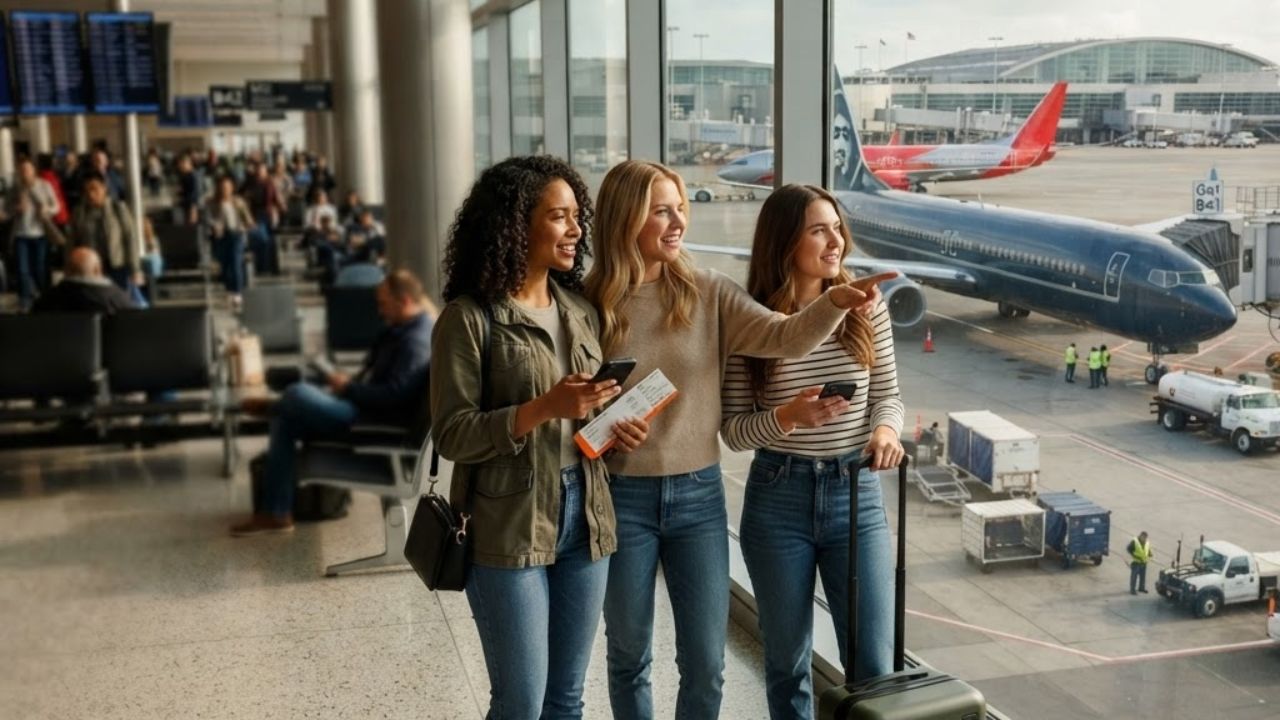
Image generated by AI
Seattle, July 27, 2026 — Flight route registries confirm that Alaska Airlines consolidates West Coast operations following its $2.6 billion merger with Virgin America, retiring the boutique brand to standardize regional passenger service. The carrier operates under a single operating certificate.
Aviation operational statistics show that the 2016 acquisition allowed Alaska to secure gates at San Francisco International Airport (SFO) and Los Angeles International Airport (LAX). Although travelers valued Virgin's design features, the parent company retired the brand in 2018 to eliminate administrative duplication and tech platform costs.
Fleet Integration and Corporate Consolidation Strategies
The corporate integration focused on optimizing network capacity rather than preserving two separate brands:
- The Valuation: Alaska Airlines finalized the acquisition agreement in 2016 for approximately $2.6 billion.
- Target Hubs: San Francisco (SFO), Los Angeles (LAX), Silicon Valley, and Seattle.
- Acquired Assets: Airbus narrow-body aircraft, corporate traveler accounts, and premium California departure slots.
- Retirement Timeline: The brand was officially retired in 2018, under two years after the takeover closed.
- System Simplification: Operations consolidated customer databases, airport lounges, baggage handling, and booking software under one brand.
Historical US Airline Mergers and Brand Consolidation Outcomes
| Merged Entities | Transaction Date | Primary Fleet Asset Acquired | Brand Status Outcome | Principal Competitive Hub Target |
|---|---|---|---|---|
| Alaska Airlines & Virgin America | 2016 (Retired 2018) | Airbus A320 family jets | Retired under Alaska brand | San Francisco (SFO) / Los Angeles (LAX) |
| American Airlines & US Airways | 2013 (Retired 2015) | Airbus passenger fleet | Retired under American brand | Charlotte (CLT) / Phoenix (PHX) |
| United Airlines & Continental | 2010 (Retired 2012) | Boeing long-haul fleet | Retired under United brand | Houston (IAH) / Newark (EWR) |
| Delta Air Lines & Northwest | 2008 (Retired 2010) | Boeing 747 & Airbus fleets | Retired under Delta brand | Minneapolis (MSP) / Detroit (DTW) |
Airline Consolidations and Passenger Rights
For passengers flying during airline mergers, brand retirements, or fleet transitions:
- US DOT Schedule Change Refunds: If a merger causes flight path cancellations or changes your flight time by over three hours (domestic) or six hours (international), you are entitled to a full cash refund if you reject the alternative.
- Frequent Flyer Mile Conversion: During conversions (such as Virgin America Elevate to Alaska Mileage Plan), federal rules protect passenger balances, requiring airlines to convert mileage credit at transparent ratios (e.g., 1.3 to 1).
- Baggage Allowance Standardization: Because interior dimensions vary across integrated fleets (Boeing vs. Airbus), travelers must adhere to the purchasing carrier's baggage dimension limits (such as Alaska's 22" x 14" x 9" rules) to prevent gate fees.
- Elite Status Protection: Merged airlines must transfer earned elite status tiers (e.g., Gold status) into the unified loyalty system without requiring re-qualification mid-year.
- Controllable Delays: If scheduling glitches caused by reservation system mergers delay your departure by over three hours, the carrier must supply meal vouchers, and arrange free lodging for overnight delays.
Why This Matters
For travelers on this route, the real impact is that because the unified carrier standardized its fleet layout, the mood-lighted cabins and touchscreen seatback ordering systems have been replaced with high-speed streaming WiFi and tablet holders, requiring passengers to carry their own power cables. From a logistical perspective, this means that flyers should download the carrier's entertainment app before boarding. Passengers must verify baggage sizes.
Industry Outlook
Airlines are introducing automated loyalty matching algorithms that import competitor mileage tiers during major corporate acquisitions. As airport check-in counters deploy universal self-tagging kiosks, passenger transit times will decrease. Over the next year, expect carriers to launch integrated boarding pass tools within digital wallets. This digital solution will support passenger check-in.
Related Travel Guides
Disclaimer
This article is for informational and educational purposes only. It does not constitute legal, financial, or professional advice. While we strive to provide accurate and up-to-date information, travel policies, regulations, and conditions change rapidly. Always verify information with official sources before making travel decisions. Nomad Lawyer makes no representations about the accuracy, reliability, completeness, or suitability of the information provided. Readers should consult qualified professionals for advice specific to their circumstances. The views expressed in this article are those of the author and do not necessarily reflect the views of Nomad Lawyer.
Preeti Gunjan
Contributor & Community Manager
A passionate traveller and community builder. Preeti helps grow the Nomad Lawyer community, fostering engagement and bringing the reader experience to life.
Learn more about our team →