
Alaska Airlines Boeing 787-9 Business Class Suites Debut Spring 2026
Alaska Airlines launches rebranded International Business Class on Boeing 787-9 Dreamliners this spring, featuring lie-flat suites and premium amenities on new Seattle-based long-haul routes to Rome, Seoul, and London.

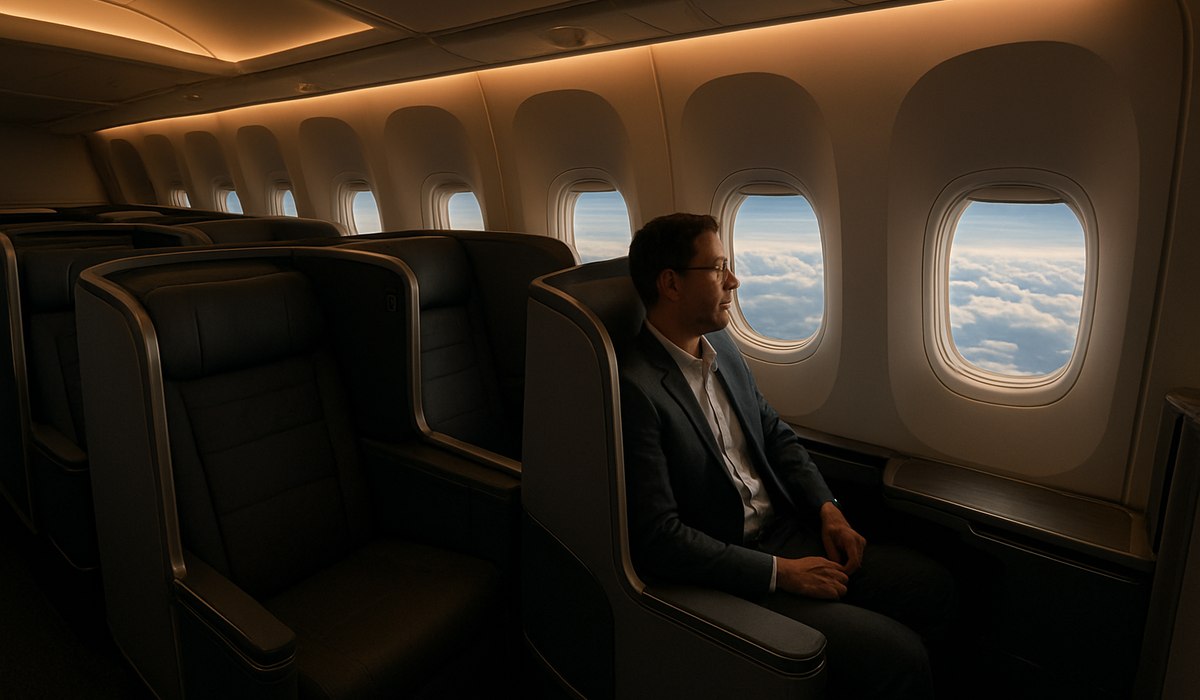
Image generated by AI
Alaska Airlines Launches 787-9 Business Class This Spring
Alaska Airlines is introducing its rebranded International Business Class product aboard incoming Boeing 787-9 Dreamliners, with service commencing this spring from Seattle-Tacoma International Airport (SEA). The carrier's ambitious long-haul expansion marks a pivotal moment for the Alaska Airlines Boeing 787-9 business class rollout, as the airline transitions from primarily domestic operations into competitive transatlantic and transpacific markets. Initial routes will connect Seattle to Rome, Seoul, and London, positioning Alaska as a challenger to established premium carriers on these high-yield corridors. The fully enclosed lie-flat suites, enhanced dining programs, and exclusive lounge access represent the airline's strategic push into premium positioning, though industry observers question whether the rebranding justifies pricing comparable to legacy carriers' established products.
The Rebranding Strategy: What's Actually New
Alaska Airlines' approach to its Alaska Airlines Boeing 787-9 business class product centers on repositioning existing lie-flat suite configurations with elevated branding and service standards. The carrier has retrofitted proven seat designs with enhanced upholstery, improved storage compartments, and refreshed lavatory amenities rather than engineering entirely new hardware. The suites feature direct-aisle access, privacy doors, and seat-to-bed conversion systems standard on modern wide-body aircraft. Alaska has invested substantially in crew training, cabin service protocols, and amenity partnerships to differentiate the experience beyond physical seat upgrades. The rebranding strategy targets passengers seeking premium long-haul comfort without the heritage premium of carriers like British Airways or Lufthansa, potentially capturing price-sensitive business travelers on transatlantic routes.
How Alaska's Offer Compares to Competitors
The competitive landscape for long-haul business class remains dominated by established players with years of product refinement and brand equity. Alaska Airlines Boeing 787-9 business class pricing and features must compete directly against United Airlines' Polaris business class, American Airlines' Flagship business class, and numerous international carriers operating similar aircraft. While lie-flat suites have become category expectations, Alaska differentiates through lower fares, West Coast departure convenience, and partnership amenities like premium dining and spa access through selected lounge programs. However, competitors offer superior seat width, wider storage configurations, and more sophisticated cabin architecture developed over multiple aircraft generations. Alaska's relatively modest cabin counts on 787-9 aircraft—approximately 48 business class seats—provide advantages in intimacy but disadvantages in network flexibility compared to carriers with higher-capacity cabin variants.
Route Expansion and Market Implications
The initial transatlantic expansion from Seattle addresses a significant gap in West Coast premium long-haul service, where passengers historically connected through San Francisco or Los Angeles to access European routes. Rome, London, and Seoul represent strategically diverse destinations balancing tourism demand, business travel volume, and aircraft utilization efficiency. The Boeing 787-9's fuel efficiency enables profitable operations on these mid-range long-haul routes, supporting Alaska's growth ambitions without requiring larger aircraft investments. Successful deployment on these three markets will likely inform expansion decisions toward Paris, Tokyo, and potentially additional Asian gateways by 2027. The move directly challenges legacy carrier dominance on these routes and signals Alaska's commitment to premium-cabin revenue diversification beyond its historical domestic market focus.
The Nomad Lawyer Verdict: Premium Positioning or Marketing Spin?
Alaska Airlines' international business class launch reflects genuine strategic evolution rather than purely cosmetic repositioning. The carrier has invested materially in crew training, operational infrastructure, and service partnerships that extend beyond cabin aesthetics. However, prospective premium passengers should evaluate whether Alaska's pricing, product maturity, and brand equity justify premium cabin selection over competitors offering lower fares or superior historical service records. The rebranded product succeeds as an entry-level international business class option for Seattle-area passengers and frequent Alaska flyers, but early adopters should monitor service consistency through the first operational year. For business travelers with flexibility, comparing prices across United Polaris, American Flagship, and other competitors remains essential before committing to premium bookings.
Traveler Action Checklist
-
Monitor Alaska Airlines' official website for exact launch dates and initial route availability before booking premium cabin seats.
-
Compare pricing across competitors using flight search aggregators to ensure Alaska's premium positioning justifies selection over lower-cost alternatives.
-
Review seat maps and product details specifically for Seattle-based 787-9 aircraft to identify preferred configurations (bulkhead versus mid-cabin suites).
-
Check lounge access policies for your frequent flyer status to confirm premium amenity eligibility beyond cabin seating.
-
Verify baggage allowances and seat selection fees through Alaska's official terms, as premium cabin rules may differ from domestic economy policies.
-
Test the product on short-haul premium cabins first if unfamiliar with Alaska's service standards before committing to long-haul bookings.
-
Register for Alaska's elite frequent flyer tier to access upgrade inventory and additional premium cabin benefits on new long-haul markets.
Key Details and Product Specifications
| Feature | Alaska 787-9 Business Class | Industry Standard |
|---|---|---|
| Seat Configuration | Fully enclosed lie-flat suites | Standard on modern wide-bodies |
| Cabin Capacity (Est.) | 48 seats | 50-60 typical on 787-9 variants |
| Direct Aisle Access | Yes | Yes, premium standard |
| Dining Program | Enhanced multi-course service | Varies by carrier |
| Lounge Access | Premium lounge included | Varies by carrier and cabin type |
| Launch Markets | Rome, Seoul, London | Multiple competitors on same routes |
| Aircraft Type | Boeing 787-9 Dreamliner | United (Polaris), American (Flagship) |
| Transatlantic Focus | Yes, Seattle-Europe routes | Yes, multiple carriers competitive |
What This Means for Travelers
Alaska Airlines' long-haul expansion creates meaningful choice for West Coast premium passengers previously dependent on connections through major hubs. Seattle-based travelers now access direct European service with Alaska's lie-flat suites, reducing total journey time and connection risk. However, premium cabin passengers should recognize that Alaska's product, while competitive, lacks the service heritage or cabin density advantages offered by legacy carriers on identical routes. Early bookings may carry yield management risks if Alaska adjusts pricing aggressively to fill capacity. Business travelers should evaluate total trip cost including ground transportation, as Seattle's convenient downtown location potentially offsets premium cabin pricing. Leisure travelers seeking value should monitor flash sales, as Alaska often discounts premium cabin seats during soft booking periods. For elite frequent flyer members, the new routes create upgrade opportunities on Alaska's network, potentially unlocking complimentary premium cabin access without paid bookings.
Frequently Asked Questions
When does Alaska Airlines Boeing 787-9 business class service launch? Spring 2026 marks the official debut, with exact dates announced through Alaska's website. Initial routes from Seattle to Rome, Seoul, and London will commence within this timeframe, subject to aircraft delivery and regulatory certification completion.
How much does Alaska Airlines 787-9 business class cost compared to competitors? Pricing varies by route, booking window, and demand. Alaska typically positions pricing 10-20 percent below legacy carriers on identical routes, reflecting lower operational costs and brand-positioning strategy focused on value-conscious premium passengers.
Are lie-flat suites on Alaska 787-9 different from other airlines' offerings? Alaska's suites feature standard lie-flat functionality and privacy doors consistent with modern long-haul business class standards. Differentiation exists in seat width, storage capacity, and cabin architecture rather than fundamental lie-flat technology.
**Can I
Disclaimer
This article is for informational and educational purposes only. It does not constitute legal, financial, or professional advice. While we strive to provide accurate and up-to-date information, travel policies, regulations, and conditions change rapidly. Always verify information with official sources before making travel decisions. Nomad Lawyer makes no representations about the accuracy, reliability, completeness, or suitability of the information provided. Readers should consult qualified professionals for advice specific to their circumstances. The views expressed in this article are those of the author and do not necessarily reflect the views of Nomad Lawyer.
Kunal K Choudhary
Co-Founder & Contributor
A passionate traveller and tech enthusiast. Kunal contributes to the vision and growth of Nomad Lawyer, bringing fresh perspectives and driving the community forward.
Learn more about our team →