
Delta Revolutionizes Transatlantic Luxury Travel: Premium Cabin Expansion Reshapes US-Europe Routes as Airlines Prioritize High-Yield Passengers in 2026
Delta Air Lines accelerates premium cabin expansion on US-Europe routes with next-gen business suites, signaling major shift in global aviation strategy toward high-income travelers.

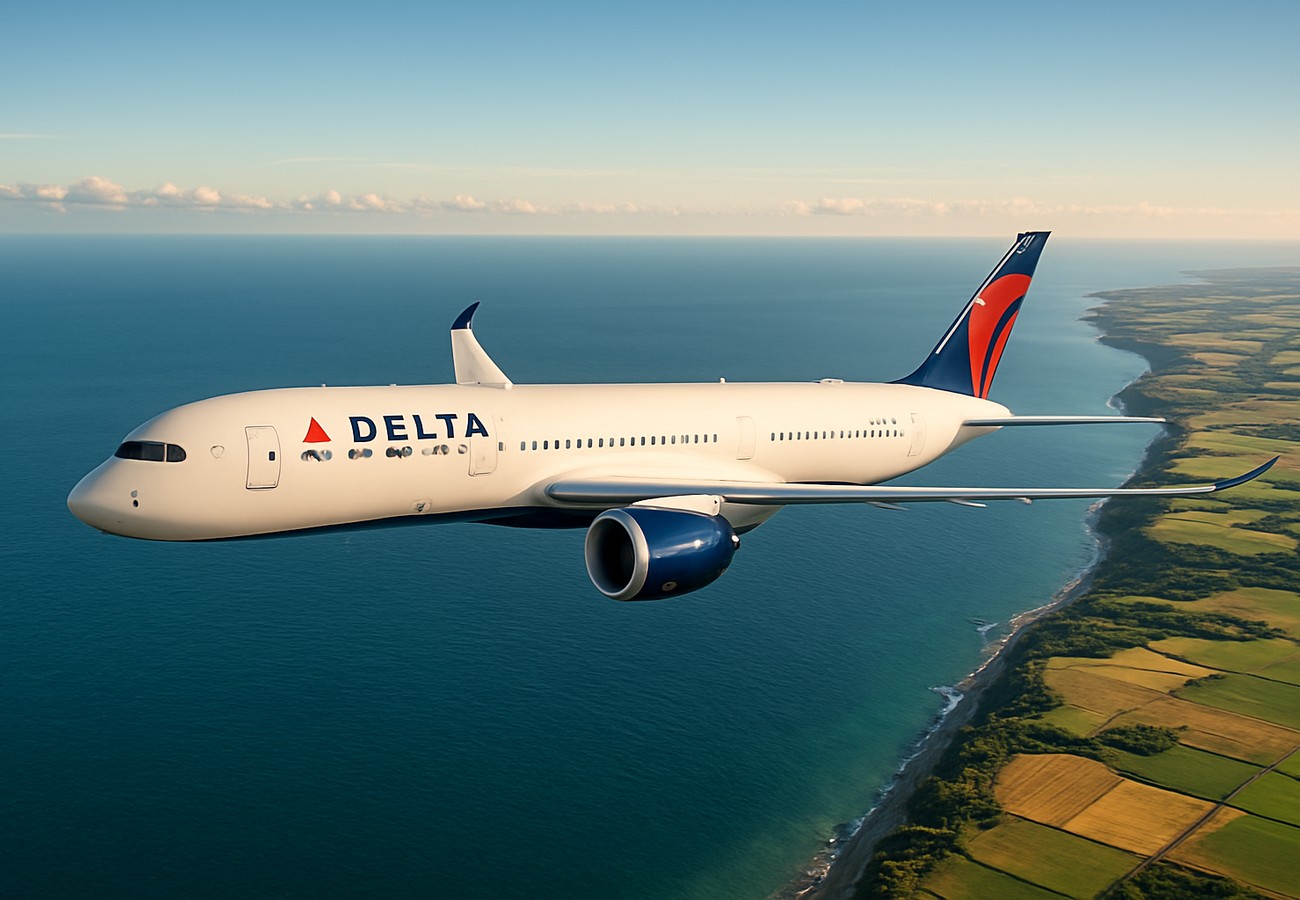
Image generated by AI
Delta Revolutionizes Transatlantic Luxury Travel as Premium Cabin Expansion Accelerates Across US-Europe Routes
Delta Air Lines is fundamentally reshaping the economics of long-haul international aviation, aggressively expanding premium seating capacity on high-demand transatlantic corridors while competitors scramble to match the investment. The carrier's decisive pivot toward luxury cabin dominance—particularly visible on flagship routes like Atlanta to Amsterdam—signals a seismic shift in how global airlines are allocating aircraft resources and maximizing revenue per passenger.
The strategic transformation reflects a hard reality: affluent travelers continue spending robustly on premium experiences despite volatile fuel prices, geopolitical instability, and rising global airfare costs. As Delta invests billions in cabin modernization, the aviation industry is entering a new competitive era where experience differentiation, not seat volume, determines market dominance. For international travelers planning trips to the Netherlands, France, and Italy, this restructuring carries immediate implications for pricing, availability, and the future of transatlantic air travel.
Next-Generation Suites Signal Long-Term Commitment to Premium Positioning
Delta's latest cabin innovation—the next-generation Delta One suite—represents the airline's most aggressive luxury push to date. These redesigned business-class products will debut aboard the Airbus A350-1000 aircraft, with deliveries commencing in early 2027. The configuration is striking: nearly 50% of the aircraft's total seating capacity will be allocated to premium categories, including fully enclosed business-class suites and premium economy sections.
The new suites introduce features previously reserved for ultra-premium carriers:
- Extended sleeping areas optimized for transatlantic comfort on 8-12 hour flights
- Ergonomically engineered seating with enhanced lumbar support and cushioning
- High-definition 4K entertainment systems with expanded content libraries
- Fully enclosed suite layouts with privacy doors and direct-aisle access
- Enhanced power infrastructure for laptop and device charging
This architectural commitment underscores Delta's conviction that premium passengers represent the airline's most profitable and resilient customer segment. According to industry analysts tracking IATA's latest aviation performance data, premium cabin revenue has become the primary profit driver for major carriers, offsetting margin compression in economy segments.
Premium Revenue Surges 14% as Airlines Embrace Yield Optimization Strategy
Financial performance data validates Delta's aggressive premium strategy. The carrier reported a 14% year-on-year increase in premium cabin revenue, demonstrating sustained demand from high-income travelers despite macroeconomic headwinds. This growth trajectory far outpaces economy segment expansion, reinforcing the industry's shift toward yield optimization over seat-filling strategies.
The revenue surge reflects what economists describe as a K-shaped recovery pattern: while price-sensitive travelers reduce discretionary travel or downgrade cabin classes, affluent passengers maintain spending levels on premium experiences. Approximately 31% of international travelers remain largely unaffected by rising airfare costs, continuing to book business and premium economy seats at elevated price points.
Competitors are responding aggressively. United Airlines has increased premium seat availability by 40% per North American departure since 2021, while American Airlines is introducing tiered pricing structures within premium cabins to capture multiple luxury price segments. This competitive escalation signals that premium aviation is transitioning from niche offering to core revenue engine across the industry.
Fuel Price Volatility and Geopolitical Tensions Drive Fare Stratification
Global airfare increases have been substantially influenced by fuel price volatility linked to Middle East geopolitical tensions and broader energy market disruptions. Both domestic and international fares have climbed compared to 2025 levels, creating a bifurcated pricing environment that heavily favors premium segments.
Current transatlantic fare structures illustrate the widening economic divide:
- Economy class (Atlanta–Amsterdam): approximately $1,100
- Premium economy: nearly $3,400
- Business class (Delta One): exceeds $8,500
This pricing architecture enables airlines to maximize revenue from passengers willing to pay premium rates while maintaining competitive economy fares for price-sensitive segments. The strategy effectively insulates premium revenue from fuel price shocks, as high-income travelers prioritize comfort and convenience over cost considerations.
According to FlightAware's real-time aviation data, transatlantic routes have experienced the most aggressive premium cabin expansion, reflecting strong demand from business travelers and affluent leisure passengers seeking enhanced comfort on long-haul journeys.
Tourism Implications: Luxury Travelers Reshape Destination Economics
The structural shift toward premium seating is fundamentally altering international tourism dynamics. High-spending travelers increasingly prioritize seamless airport-to-aircraft experiences, personalized onboard services, and enhanced comfort for extended flights. Destinations including the Netherlands, France, and Italy—critical transatlantic tourism hubs—stand to benefit disproportionately from this trend.
Premium travelers typically contribute 2-3 times more per trip than budget-conscious visitors, spending substantially on luxury accommodations, fine dining, cultural experiences, and curated travel services. This economic reality is reshaping destination marketing strategies, with tourism boards increasingly targeting affluent international travelers rather than volume-based segments.
Airlines recognize this opportunity: premium passengers generate higher ancillary revenue through lounge access, ground transportation services, and onboard retail purchases. The entire travel ecosystem—from airport operators to hospitality providers—is adapting service offerings to capture spending from this high-value demographic.
Fleet Modernization Extends Beyond New Aircraft Deliveries
Delta's premium expansion strategy encompasses both new aircraft and existing fleet upgrades. The carrier is systematically retrofitting its widebody fleet, including Airbus A330-200 and A330-300 models, with premium enhancements:
- Installation of privacy-door suites in business-class cabins
- Reconfiguration of seating layouts to expand premium capacity
- Modernized cabin interiors with updated lighting and materials
- Enhanced galley and lavatory facilities
The airline targets 90% of its Delta One seats to feature privacy doors by 2030, signaling a multi-year commitment to luxury positioning. Even economy cabins are receiving selective upgrades—additional legroom, larger seatback screens, and Bluetooth connectivity—ensuring balanced passenger experience across cabin classes.
This dual-track modernization approach maximizes return on capital investment while maintaining competitive positioning across all passenger segments.
What This Means for Travelers: Strategic Booking in a Premium-Dominated Market
International travelers navigating this evolving landscape should adopt strategic booking approaches:
Premium Cabin Booking Strategy: Limited availability and sustained demand drive premium fares upward continuously. Early booking—typically 2-3 months in advance—captures better pricing before premium inventory depletes. Loyalty program members should prioritize redeeming miles for premium cabin upgrades, as cash prices increasingly exceed value propositions.
Shoulder-Season Advantage: Lower-demand travel periods (April-May, September-October) often yield better premium pricing compared to peak summer and holiday windows. Business travelers booking last-minute premium seats typically pay 30-50% premiums over advance purchasers.
Cabin Selection for Long-Haul Comfort: Routes exceeding 8-10 hours warrant serious consideration of premium economy or business-class upgrades. Enhanced sleep quality, productivity for business travelers, and overall satisfaction metrics improve substantially with premium seating on extended flights.
Frequent Flyer Optimization: Accumulating miles through credit card spending and airline partnerships enables premium cabin access without cash expenditure. Premium redemption rates typically require 50,000-100,000 miles for transatlantic business-class seats, representing significant value compared to cash fares exceeding $8,500.
Industry Outlook: Experience-Driven Competition Reshapes Aviation Standards
The aviation sector is entering a transformative phase where experience differentiation supersedes price-based competition. Airlines are competing on cabin innovation, service personalization, and luxury brand positioning rather than seat-filling capacity or discount fares.
Premium passengers have demonstrated remarkable resilience to economic fluctuations, enabling airlines to confidently expand premium seating despite broader economic uncertainty. Industry projections anticipate:
- Further expansion of premium seating capacity on high-demand international routes
- Introduction of additional segmented fare classes within premium cabins
- Accelerated investment in onboard technology, entertainment, and comfort features
- Enhanced ground services and lounge experiences for premium passengers
This structural evolution is likely to establish new global travel standards, particularly on high-demand transatlantic and Asia-Pacific routes. Airlines investing aggressively in premium products today are positioning themselves as category leaders in the post-2027 aviation landscape.
The convergence of affluent traveler demand, airline profitability imperatives, and competitive differentiation pressures suggests premium cabin expansion will accelerate through 2028, fundamentally reshaping how international air travel is experienced and priced.
Related Travel Guides
Disclaimer
This article is for informational and educational purposes only. It does not constitute legal, financial, or professional advice. While we strive to provide accurate and up-to-date information, travel policies, regulations, and conditions change rapidly. Always verify information with official sources before making travel decisions. Nomad Lawyer makes no representations about the accuracy, reliability, completeness, or suitability of the information provided. Readers should consult qualified professionals for advice specific to their circumstances. The views expressed in this article are those of the author and do not necessarily reflect the views of Nomad Lawyer.
Kunal K Choudhary
Co-Founder & Contributor
A passionate traveller and tech enthusiast. Kunal contributes to the vision and growth of Nomad Lawyer, bringing fresh perspectives and driving the community forward.
Learn more about our team →