
Airport Busiest Atlanta: Why ATL Dominates Global Aviation in 2026
Hartsfield-Jackson Atlanta International Airport maintains its crown as the world's busiest airport in 2026, handling record passenger volumes despite fierce global competition.

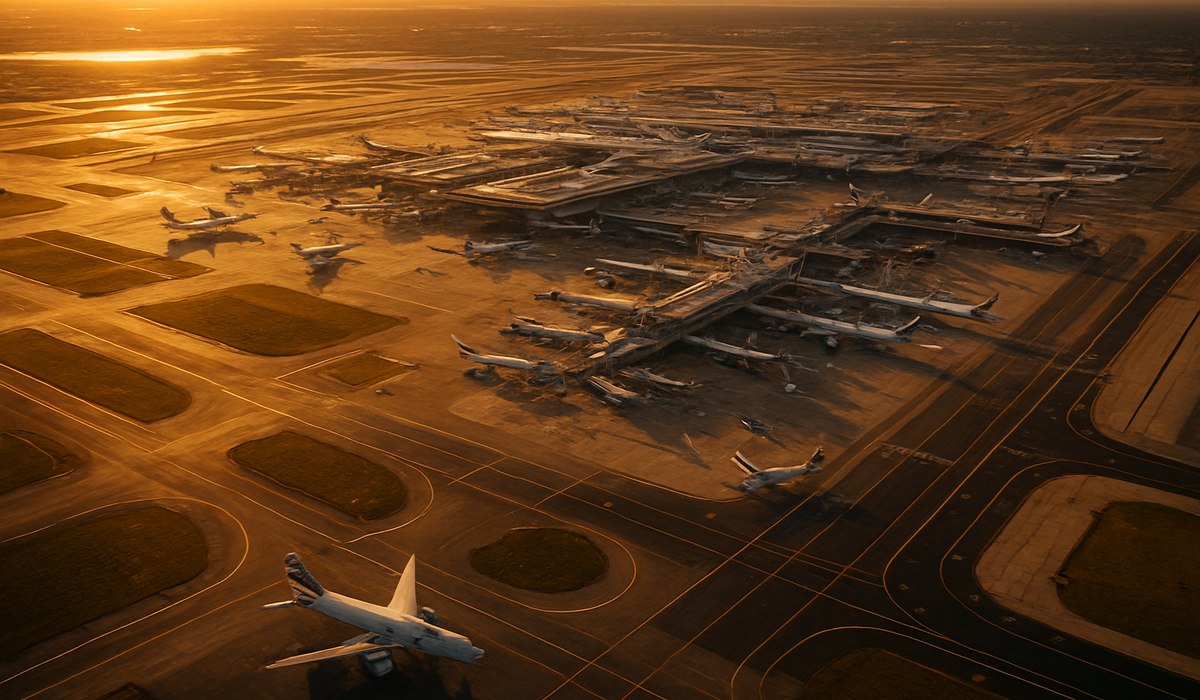
Image generated by AI
Hartsfield-Jackson Atlanta Remains World's Premier Aviation Hub
Hartsfield-Jackson Atlanta International Airport (ATL) continues its reign as the planet's busiest airport in 2026, processing unprecedented passenger volumes while competitors worldwide race to expand capacity. The Georgia-based mega-hub demonstrates exceptional resilience in an increasingly competitive global aviation landscape, where airports from Dubai to Singapore vie for top rankings. ATL's sustained dominance reflects strategic infrastructure investments, carrier partnerships, and unmatched domestic connectivity that keeps millions of travelers moving through its terminals annually.
Why ATL Remains the World's Busiest Airport
Atlanta's aeronautical supremacy stems from multiple converging factors that competitors struggle to replicate. The airport's geographic centrality within the continental United States positions it as an unavoidable connection point for domestic travelers crossing regional boundaries. Major carriers including Delta Air Lines (which operates ATL as a primary hub), Southwest, United, and American maintain substantial presences, creating network effects that intensify passenger throughput.
Hartsfield-Jackson invested heavily in terminal modernization and runway optimization, enabling simultaneous operations that reduce bottlenecks. The airport's operational efficiency—measured by on-time performance and gate turnover rates—exceeds many competitors, allowing airlines to maximize daily flight rotations. Unlike distant international hubs requiring long-haul positioning, ATL's accessibility makes it the natural choice for domestic connections and regional hub-and-spoke operations.
The airport busiest atlanta ranking reflects not merely size but operational excellence. Staff training programs, technology integration, and collaborative planning between airport management and carriers create frictionless passenger experiences that encourage repeat usage and airline loyalty.
Infrastructure Expansion and Growth Strategy
Current expansion initiatives at Hartsfield-Jackson address anticipated demand through 2035 and beyond. The airport's master plan includes additional concourse capacity, enhanced security screening infrastructure, and improved ground transportation connections via MARTA rail and bus services.
Terminal renovations introduce biometric technology, reducing passenger processing times and creating seamless identity verification. The Domestic Terminal A renovation project specifically modernizes facilities serving approximately 40 million annual passengers. Investment in cargo infrastructure simultaneously strengthens ATL's freight handling capabilities, attracting logistics operators globally.
Runway capacity improvements enable higher aircraft movements per hour without sacrificing safety protocols. These operational enhancements directly support the airport busiest atlanta status by accommodating growth without congestion penalties. Future planning incorporates sustainable aviation initiatives, including electric ground support equipment and renewable energy integration across facilities.
Impact on Travelers and Airlines
Record passenger volumes at ATL create both opportunities and challenges for the traveling public. Increased flight frequencies mean more departure options and competitive pricing as airlines compete for market share. Conversely, peak periods generate crowded terminals and potential delays when infrastructure reaches temporary saturation points.
Travelers benefit from extensive amenities, including premium dining, retail shopping, and business lounges across multiple concourses. The airport's customer service ratings reflect passenger satisfaction despite high utilization rates. Airlines operating at ATL experience improved revenue potential through maximized seat fills and premium service offerings.
For business travelers and leisure passengers, the world's busiest airport delivers predictable connectivity to virtually any U.S. destination. Direct flight options exceed those available from competing hubs, reducing connection requirements and total travel time. Ground transportation choices—including rental cars, rideshare, and public transit—accommodate diverse budget and convenience preferences.
Future Outlook for Atlanta's Aviation Hub
Hartsfield-Jackson's trajectory suggests continued dominance throughout the remainder of 2026 and beyond. Emerging competitive threats from international hubs like Istanbul and Doha may marginally reduce ATL's percentage share, yet absolute passenger volumes will likely increase due to overall aviation market expansion.
Sustainability initiatives and operational optimization represent key competitive advantages. The airport's ability to accommodate growth while reducing environmental impact positions ATL favorably against legacy hubs burdened with outdated infrastructure. Regional air service expansion—particularly connecting tier-two cities—strengthens ATL's network depth.
Industry analysts project ATL will maintain top-three global ranking through 2030, with potential ascendancy if competing airports face capacity constraints. Investment decisions made in 2026 regarding terminal expansion and technology adoption will determine whether ATL strengthens or merely maintains its current dominance in an increasingly crowded airport market.
Key Aviation Metrics for Atlanta's Busiest Airport
| Metric | 2026 Performance | Rank |
|---|---|---|
| Annual Passengers | 110+ million | 1st World |
| Daily Flight Operations | 2,200+ movements | Top 3 Global |
| Airlines Operating | 65+ carriers | Highest Domestic |
| Domestic Destinations | 180+ cities | Unmatched Coverage |
| International Gateways | 70+ countries | Expanding |
| Terminal Capacity | 9 concourses | Expanding |
What This Means for Travelers
Understanding ATL's operational dominance helps passengers make informed travel decisions and set realistic expectations.
-
Book flexibility into your schedule: Peak periods at the world's busiest airport experience predictable congestion; arriving 3+ hours before departure prevents stress.
-
Leverage connection options: Extensive flight frequencies mean rebooking possibilities during disruptions exceed those at smaller hubs.
-
Arrive early for security: TSA PreCheck and Clear reduce processing times but remain advisable given terminal crowds during peak hours.
-
Monitor real-time flight status: Use FlightAware for up-to-the-minute ATL flight information and operational changes.
-
Understand passenger rights: Familiarize yourself with U.S. DOT airline passenger compensation rules for delays and cancellations.
-
Plan ground transportation: MARTA rail connections to downtown Atlanta provide cost-effective alternatives to rental cars during peak periods.
Frequently Asked Questions
Why is Hartsfield-Jackson Atlanta the world's busiest airport?
ATL combines geographic centrality within the continental U.S., Delta Air Lines' hub operations, multiple competing carriers, and modernized infrastructure enabling high throughput. These factors create natural passenger concentration that other airports cannot easily replicate despite significant investment efforts.
How many passengers fly through Atlanta Airport annually?
Hartsfield-Jackson processes 110+ million passengers yearly in 2026, maintaining consistent growth despite global market fluctuations. This volume exceeds all competitors, cementing its status as the planet's busiest aviation hub.
Which airlines operate the most flights from ATL?
Delta Air Lines dominates ATL operations as the primary hub carrier, but Southwest, United, American, and regional carriers maintain substantial presences. This multi-carrier presence ensures competitive pricing and schedule options for travelers.
Will other airports surpass Atlanta's status?
While expanding international hubs may eventually challenge ATL's ranking, sustained domestic demand and continued infrastructure investment position the airport to maintain top-three global status through 2030. Complete displacement remains unlikely absent major disruptions to U.S. aviation patterns.
Travel Resources for Atlanta Airport Navigation
Explore detailed planning resources for your Hartsfield-Jackson journey:
- Complete Guide to Atlanta Airport Ground Transportation Options
- Best Airport Hotels Near ATL for Layovers and Connections
- Maximizing Connections at America's Busiest Hub
Disclaimer
This article provides informational content about Hartsfield-Jackson Atlanta International Airport's operational status in 2026. Information reflects publicly available aviation statistics, airport authority announcements, and industry reports. For current operational details, flight status, and real-time updates, consult FlightAware or the official FAA flight information services. Passenger rights information derives from U.S. Department of Transportation consumer protection guidelines.
Disclaimer
This article is for informational and educational purposes only. It does not constitute legal, financial, or professional advice. While we strive to provide accurate and up-to-date information, travel policies, regulations, and conditions change rapidly. Always verify information with official sources before making travel decisions. Nomad Lawyer makes no representations about the accuracy, reliability, completeness, or suitability of the information provided. Readers should consult qualified professionals for advice specific to their circumstances. The views expressed in this article are those of the author and do not necessarily reflect the views of Nomad Lawyer.
Raushan Kumar
Founder & Lead Developer
Full-stack developer with 11+ years of experience and a passionate traveller. Raushan built Nomad Lawyer from the ground up with a vision to create the best travel and law experience on the web.
Learn more about our team →