
Airline Airlines Worldwide Adjust Fares: Iran Crisis Fuels Cost Surge
Airline airlines worldwide are raising fares and cutting routes as oil prices surge due to geopolitical tensions in March 2026. Carriers across Asia, Africa, Europe, and the Middle East face unprecedented fuel cost pressures.

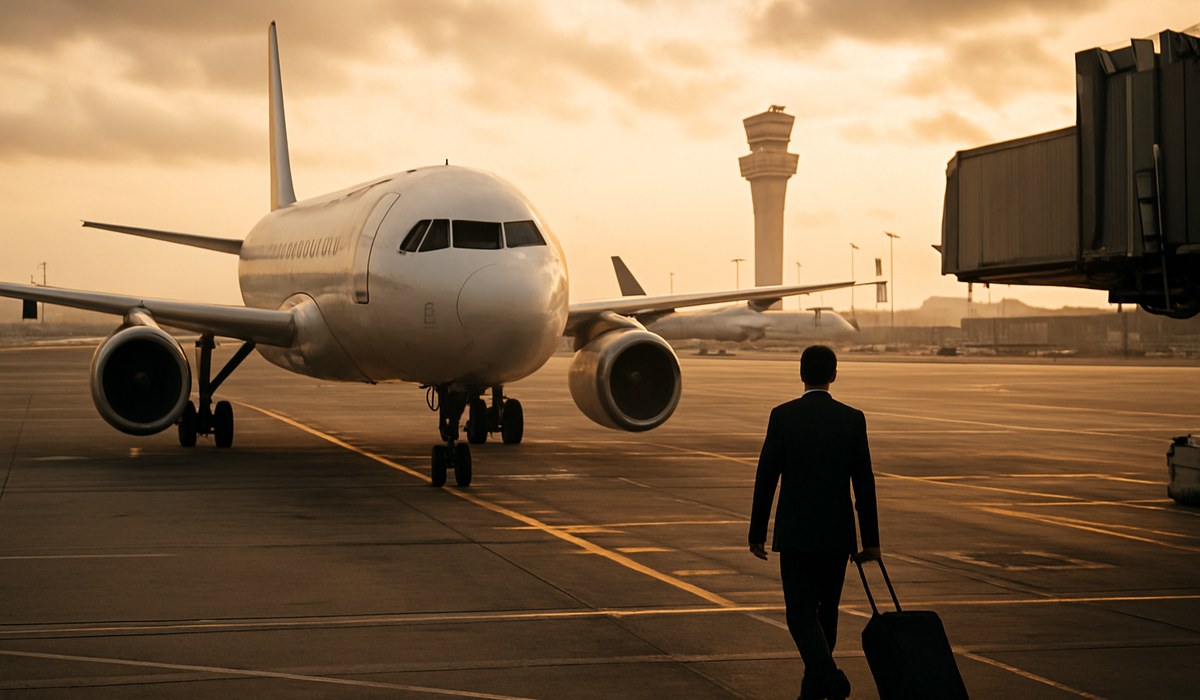
Image generated by AI
Soaring Fuel Costs Force Airline Airlines Worldwide to Restructure Operations
Global airline carriers are raising ticket prices and eliminating unprofitable routes as jet fuel costs spike due to escalating geopolitical tensions in the Middle East. The conflict has disrupted energy markets, forcing airline airlines worldwide to implement emergency fare adjustments across Africa, Asia, Europe, and beyond. Major carriers report unprecedented pressure on operational margins as they attempt to absorb or pass along fuel surcharges to passengers.
The crisis emerged rapidly in March 2026. Within days, fuel costs climbed 15–22 percent above baseline rates. Airlines operating long-haul international routes face the steepest challenges, with some carriers reporting additional monthly fuel bills exceeding $15 million USD per fleet.
Middle East Carriers Implement Emergency Fare Hikes
Airlines operating across the Middle East region have become the first to adjust fares publicly. Emirates, Etihad Airways, and Qatar Airways each announced fuel surcharges ranging from $25 to $65 per international ticket effective immediately. These carriers typically depend on stable Middle Eastern oil supplies; disruptions directly threaten their competitive pricing model.
Emirates stated that route optimization has begun, with select frequencies reduced on underperforming African and Asian destinations. Etihad Airways paused expansion plans for three new European routes. Qatar Airways, conversely, maintained scheduled capacity but locked in fuel-hedging contracts through Q3 2026 to stabilize fares.
Regional airlines in Jordan, Lebanon, and Saudi Arabia suspended or consolidated connecting flights to hub airports. The adjustments reflect genuine operational necessity rather than speculative pricing, according to IATA spokesperson statements made on March 20, 2026.
European Airline Airlines Worldwide Face Budget Pressures
European carriers operating transatlantic and intra-Asia routes absorbed the highest percentage fare increases. Lufthansa Group airlines—including Lufthansa, SWISS, and Austrian Airlines—announced 8–12 percent ticket price hikes for spring and summer bookings. Air France-KLM implemented similar increases while reviewing unprofitable regional European routes.
Budget carriers like Ryanair and EasyJet employ fuel-hedging strategies that provided temporary relief. However, both announced future fare adjustments starting in April 2026. Ryanair CEO stated: "We're managing costs, but longer-term tickets will reflect real fuel expenses."
British Airways and Virgin Atlantic both added fuel surcharges explicitly to long-haul bookings. These moves signal that even premium carriers cannot absorb 15+ percent fuel cost increases indefinitely. European regional routes—particularly low-margin connections between smaller cities—face possible elimination if fuel prices remain elevated through summer 2026.
Asian Airlines Adjust Routes and Trim Capacity
Airlines across Asia implemented swift operational responses. Singapore Airlines, Cathay Pacific, and All Nippon Airways (ANA) each announced selective route cancellations rather than immediate aggressive fare increases. This strategy protects market share during peak summer travel while managing fuel exposure.
Singapore Airlines suspended three unprofitable Australia-Europe routing options, consolidating traffic through hub connections. Cathay Pacific cut frequencies on select Middle East routes, redirecting capacity to high-margin premium cabins. ANA paused network expansion into secondary African airports.
Chinese carriers—including Air China, China Eastern, and China Southern—received indirect government support through fuel-cost subsidies. This advantage allowed them to maintain stable fares longer than Western competitors, though all three carriers warned of future adjustments if oil prices remain above $85 USD per barrel.
Indian carriers—SpiceJet, IndiGo, and Air India—face acute cost pressures on long-haul international routes. Budget constraints force fare increases on profitable trunk routes to offset losses on marginal connections.
African Airline Airlines Worldwide Implement Immediate Pricing Adjustments
Airlines serving African routes confront unique challenges: limited fuel surcharge flexibility and price-sensitive passenger bases. South African Airways, Ethiopian Airlines, and Kenya Airways each implemented 10–14 percent fare increases, but passenger demand elasticity threatened revenue despite the raises.
Ethiopian Airlines, operating as a major African hub, adjusted routes to concentrate capacity on high-margin international connections. Kenya Airways suspended seasonal East Africa-Europe routing. South African Airways reduced domestic frequency on low-yield regional links.
Smaller African carriers struggled most. Scheduled service cuts affected routes within sub-Saharan Africa where passengers have fewer viable alternatives. This creates humanitarian and economic consequences for regional connectivity, according to regional aviation analysts.
| Metric | 2025 Baseline | March 2026 Peak | Affected Routes | Carrier Example |
|---|---|---|---|---|
| Jet Fuel Cost ($/barrel equivalent) | $72 USD | $88 USD | Transatlantic, Asia-Europe | Lufthansa Group |
| Average Fare Increase | Baseline | +12% | Middle East–Europe | Emirates |
| Route Suspensions (weekly) | 8 routes | 34 routes | Africa, marginal Asia | Multiple carriers |
| Fuel Surcharge Amount | $0–$15 | $25–$65 | International long-haul | Qatar Airways |
| Projected Monthly Fuel Bill Increase | – | $12–$18M+ | All major routes | Airline-specific |
What This Means for Travelers in March 2026
Immediate action required:
-
Book early. Fares will likely climb further if geopolitical tension persists. March bookings for April–June travel face ongoing price pressure.
-
Lock in fuel surcharges. Many carriers allow 48-hour price holds. Use this window to confirm fares before additional increases roll out.
-
Consider alternative routes. Carriers consolidating capacity may reduce frequencies on your preferred route. Book confirmed flights immediately rather than waiting.
-
Check baggage policies. Some airlines imposing fare increases also tightened baggage allowances. Verify terms on your carrier.
-
Monitor schedule changes. Visit the airline's official website or FlightAware daily for cancellations or route changes affecting your itinerary.
-
Verify travel insurance. Ensure your policy covers fuel surcharge increases and airline cancellations as of March 20, 2026.
-
Contact your airline directly. Call airline reservations teams for real-time route and fare confirmation. Call centers experience delays but provide accurate information unavailable online.
Frequently Asked Questions
How are airline airlines worldwide responding to fuel costs in March 2026? Global carriers employ three strategies: fuel surcharges added to tickets, route consolidation cutting unprofitable flights, and fare increases averaging 8–14 percent. Premium carriers like Emirates impose explicit fuel surcharges ($25–$65 per ticket), while European and Asian airlines integrate cost recovery into base fares rather than separate charges.
Which airline airlines worldwide have the highest fare increases? Middle Eastern carriers (Emirates, Qatar Airways, Etihad) added fuel surcharges immediately. European carriers (Lufthansa Group, Air France-KLM) implemented 8–12 percent base fare hikes. Asian carriers (Singapore Airlines, Cathay Pacific) managed through capacity reduction rather than aggressive pricing.
What routes face suspension or frequency cuts? Unprofitable regional European routes, select Middle East–Africa connections, and marginal Asian secondary-city links face cuts. Long-haul high-margin routes (U.S.–Europe, Asia–Europe) remain protected despite cost increases. Check IATA for official capacity data.
How long will airline prices remain elevated? Fare adjustments persist while oil prices exceed $80 USD per barrel. If geopolitical tensions ease by June 2026, gradual price stabilization may occur by July–August. Carriers with fuel hedges maintain stability longer. Monitor FAA and airline earnings reports for trend signals.
Related Travel Guides
How to Find Cheap Flights During Fuel Price Surges Airline Fuel Surcharges Explained: What Travelers Must Know Best Time to Book International Flights: March 2026 Update
Disclaimer
This article is for informational and educational purposes only. It does not constitute legal, financial, or professional advice. While we strive to provide accurate and up-to-date information, travel policies, regulations, and conditions change rapidly. Always verify information with official sources before making travel decisions. Nomad Lawyer makes no representations about the accuracy, reliability, completeness, or suitability of the information provided. Readers should consult qualified professionals for advice specific to their circumstances. The views expressed in this article are those of the author and do not necessarily reflect the views of Nomad Lawyer.
Preeti Gunjan
Contributor & Community Manager
A passionate traveller and community builder. Preeti helps grow the Nomad Lawyer community, fostering engagement and bringing the reader experience to life.
Learn more about our team →