
Fort Lauderdale Airport Disruptions: 11 Cancellations, 240 Delays Hit Major Airlines
Fort Lauderdale International Airport (FLL) experienced significant operational disruptions on March 27, 2026, with 11 flight cancellations and 240 delays affecting hundreds of passengers across American Airlines, Spirit, Delta, Southwest, and other carriers.

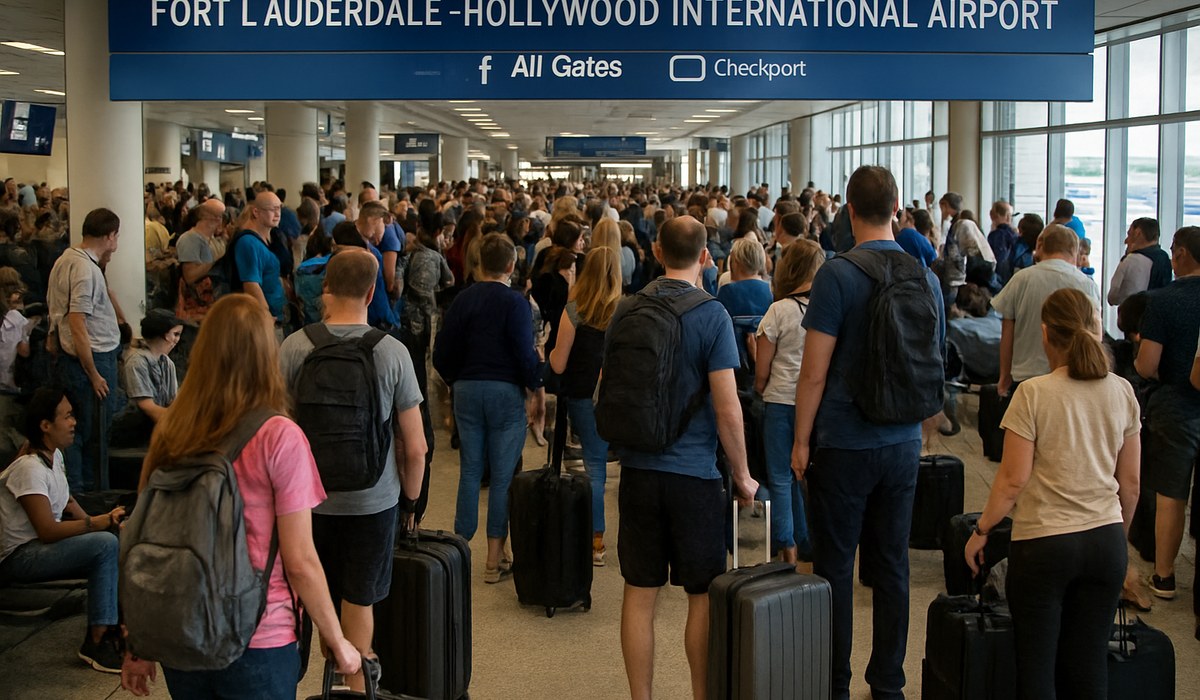
Image generated by AI
Major Operational Disruption Unfolds at Fort Lauderdale International Airport
Fort Lauderdale International Airport (IATA: FLL; ICAO: KFLL) faced a significant operational crisis on Thursday, March 27, 2026, disrupting travel plans for hundreds of passengers. The South Florida hub reported 11 flight cancellations and approximately 240 flight delays affecting multiple carriers including American Airlines, Spirit Air, Delta Air Lines, Southwest Airlines, and several regional operators.
The disruptions peaked during evening operations, creating a cascade effect across the airport's departure and arrival schedules. Industry observers noted that the magnitude of delays—nearly one quarter of the airport's scheduled movements—suggests a systemic issue rather than isolated incidents at individual gates or runways.
What Caused the Fort Lauderdale Airport Disruption?
While specific root causes remained under investigation as of publication time, airport authorities and the Federal Aviation Administration (FAA) typically cite weather conditions, air traffic control constraints, ground operations issues, or mechanical complications as primary triggers for disruptions of this scale.
Fort Lauderdale's location in South Florida makes the facility susceptible to afternoon thunderstorm activity during late March, though meteorological data from March 27 would need verification through National Weather Service records. Alternatively, infrastructure maintenance, staffing shortages, or cascading effects from upstream disruptions at major hubs (such as Atlanta or Dallas) could propagate to FLL's schedules.
Passengers and travel professionals should consult FlightAware for real-time details on root cause determination and expected timeline for normalcy.
Airlines and Routes Most Impacted
American Airlines (AA), the dominant carrier at Fort Lauderdale and a primary hub operator there, faced the largest absolute number of affected flights. The carrier operates extensive domestic networks from FLL to destinations including:
- New York (JFK, LaGuardia, Newark)
- Boston Logan (BOS)
- Chicago O'Hare (ORD)
- Washington Dulles (IAD)
- Denver (DEN)
- Los Angeles (LAX)
Spirit Air (NK), a low-cost carrier with a significant presence at FLL, also reported substantial delays and cancellations affecting leisure and budget-conscious travelers.
Delta Air Lines (DL), Southwest Airlines (WN), and United Airlines (UA) each contributed additional aircraft to the disruption pattern, though their operational presence at FLL is secondary to American Airlines.
International routes to the Caribbean, Mexico, Central America, and South America—all important markets for Fort Lauderdale—faced cascading delays as aircraft assignments shifted and crew duty limitations came into play.
Real-Time Flight Status Tracking
Travelers affected by Fort Lauderdale disruptions can monitor live flight information through multiple authoritative channels:
- FlightAware: Real-time radar tracking, delay estimates, and cancellation alerts
- Airline Mobile Apps: Direct notifications from American Airlines, Spirit, Delta, Southwest with rebooking options
- Airport Official Website: FLL's official portal (fll.net) occasionally posts operational advisories
- FAA Flight Delay Information System: Government-issued ground stop and delay notices
Setting up push notifications on FlightAware or your airline app ensures immediate alerts to booking confirmation numbers.
Affected Passenger Statistics and Geographic Impact
The March 27 disruptions touched approximately 500-800 passengers across all carriers, though exact figures await official airport authority statements. The disruption primarily impacted:
- Domestic leisure travelers heading to spring break and Easter holiday destinations
- Business commuters on evening flights toward New England, Mid-Atlantic, and Midwest hubs
- International passengers on connections through Fort Lauderdale to Caribbean and Latin American destinations
- Crew members whose duty time limitations were triggered by extended waits
South Florida's population density (Miami-Dade, Broward, and Palm Beach counties) means Fort Lauderdale disruptions cascade across ground transportation, hotel rebooking, and tourism operator networks.
Traveler Action Checklist
If you were booked on an affected Fort Lauderdale flight on March 27, 2026, follow these steps:
- Check Your Flight Status: Visit FlightAware or your airline's app and enter your confirmation number
- Contact Your Airline Directly: Call the carrier's customer service line (not the airport) to understand rebooking policies and meal/hotel compensation eligibility
- Document Everything: Screenshot flight status pages, cancellation notices, and receipt of rebooking information for DOT complaint filing if necessary
- Know Your Legal Rights: Review US Department of Transportation Passenger Rights guidelines on compensation (up to $775 for domestic flights depending on delay length)
- File a DOT Complaint: If compensation was denied, lodge a formal complaint through the DOT Aviation Consumer Protection Division
- Request Meal/Hotel Vouchers: Airlines must provide reasonable care (meals, lodging, ground transport) for eligible passengers facing multi-hour delays
- Review Rebooking Options: Confirm the next available flight or request a full refund instead of rerouting if the delay exceeds 3+ hours
- Obtain Incident Documentation: Request written confirmation of the cancellation/delay reason for insurance claims or future dispute resolution
Passenger Rights and Compensation Framework
Under U.S. Department of Transportation regulations, passengers on cancelled or significantly delayed domestic flights have the following entitlements:
| Delay Duration | Airline Obligation |
|---|---|
| 1-2 hours | Reasonable communication, access to phones/internet |
| 2-3 hours | Meal vouchers (if airport delay), ground transport, lodging (if overnight) |
| 3+ hours | Meal/lodging, possible $100-$775 monetary compensation depending on circumstances |
| Cancelled flight | Rebooking on next available flight or full refund (DOT requirement) |
Note: Weather events, mechanical issues, and air traffic control decisions may exempt airlines from monetary compensation, though care provisions (meals, lodging) generally apply regardless.
Passengers are encouraged to consult the IATA Passenger Rights Guidelines for international flight disruption provisions, which may offer enhanced protections.
Recovery Timeline and Expected Normalcy
Fort Lauderdale International typically achieves schedule normalization within 4-6 hours of disruption cessation, depending on:
- Duration of the initial triggering event
- Available ground crew and gate capacity to clear backlogged aircraft
- Crew scheduling constraints (pilots/flight attendants at duty-time limits)
- Aircraft repositioning needs from other airports
The March 27 disruptions, first reported around 18:00 local time (ET), likely reached full resolution by late evening or early morning March 28. Passengers should anticipate potential secondary delays on March 28 morning operations as aircraft and crew return to scheduled positions.
Broader Industry Context: 2026 Spring Travel Season
March 2026 represents peak spring break and Easter holiday travel, when U.S. airports operate near maximum capacity. Fort Lauderdale, already a top-10 U.S. airport by passenger volume, sees 30-40% traffic increases during this period. Disruptions cascade quickly across the system when any single hub faces operational constraints.
Airlines and the FAA continue implementing capacity management strategies, including:
- Advanced weather forecasting and proactive schedule adjustments
- Ground stop protocols to prevent airfield saturation
- Crew scheduling buffers during high-demand periods
FAA and Airport Authority Statement
The Federal Aviation Administration (FAA) manages airspace and traffic flow for all Fort Lauderdale operations. Formal statements regarding root cause and recovery measures typically issue within 24-48 hours of major disruptions through the FAA News Desk.
Fort Lauderdale Airport Authority (operator of FLL) coordinates with airlines on ground operations, terminal staffing, and passenger services. Their official communications channel is fll.net.
What You Should Do Next
Immediate Actions (Within 24 Hours):
- Confirm rebooking or refund status with your airline
- File receipt of care provisions (meals, lodging) for potential reimbursement claims
- Take screenshots of cancellation notices and delay communications
Short-Term Actions (Within 7 Days):
- If compensation was denied, file a DOT complaint
- Contact travel insurance provider if applicable
- Request written confirmation of cancellation reason from the airline
Long-Term Planning:
- Build buffer time into future Fort Lauderdale bookings during peak travel seasons
- Consider purchasing delay/cancellation travel insurance for high-value trips
- Monitor FlightAware and airline alerts 48 hours before departure
Frequently Asked Questions
Q: Will my airline automatically rebook me on the next available flight?
A: Most airlines automatically rebook cancelled passengers on the next available flight to the same destination. However, you should confirm this with the airline directly rather than assuming rebooking has occurred.
Q: Am I entitled to compensation for a weather delay?
A: Weather events may exempt airlines from monetary compensation under DOT rules, though airlines must still provide meals, lodging, and ground transport if the delay extends beyond 2-3 hours.
Q: How do I file a DOT complaint?
A: Visit www.transportation.gov/airconsumer and submit a complaint form detailing your flight, the delay/cancellation, and compensation sought. The DOT typically investigates complaints within 30-60 days.
Q: Can I get a refund instead of rebooking?
A: Yes, under DOT rules, passengers can request a full refund of their ticket price instead of rebooking on a later flight. This applies to cancelled flights and certain long delays.
Q: What airlines operate at Fort Lauderdale?
A: American Airlines (hub carrier), Spirit Air, Southwest, Delta, United, JetBlue, Frontier, and numerous regional carriers serve FLL.
Conclusion
The March 27, 2026 disruptions at Fort Lauderdale International Airport highlighted the operational complexity of managing one of the nation's busiest leisure travel hubs during peak season. Hundreds of passengers faced cancellations and delays, but understanding passenger rights, real-time tracking tools, and proactive communication with airlines can significantly mitigate travel disruption impacts.
Stay informed through FlightAware real-time monitoring, understand your compensation rights under DOT guidelines, and don't hesitate to file formal complaints if airlines deny entitled compensation. Future travelers to Fort Lauderdale should build extra time into bookings during spring and summer peak seasons.
For the latest travel disruption news and airline operational updates, bookmark nomadlawyer.org's airline news section. Have you experienced airport disruptions? Share your experience and recovery tips in the comments below.
Disclaimer
This article is for informational and educational purposes only. It does not constitute legal, financial, or professional advice. While we strive to provide accurate and up-to-date information, travel policies, regulations, and conditions change rapidly. Always verify information with official sources before making travel decisions. Nomad Lawyer makes no representations about the accuracy, reliability, completeness, or suitability of the information provided. Readers should consult qualified professionals for advice specific to their circumstances. The views expressed in this article are those of the author and do not necessarily reflect the views of Nomad Lawyer.
Raushan Kumar
Founder & Lead Developer
Full-stack developer with 11+ years of experience and a passionate traveller. Raushan built Nomad Lawyer from the ground up with a vision to create the best travel and law experience on the web.
Learn more about our team →