
Airlines Cannibalize Brand-New Airbus Jets for Engines as GTF Shortage Drives Unprecedented Parts Economics
Breaking airline news and aviation industry updates for 2026.

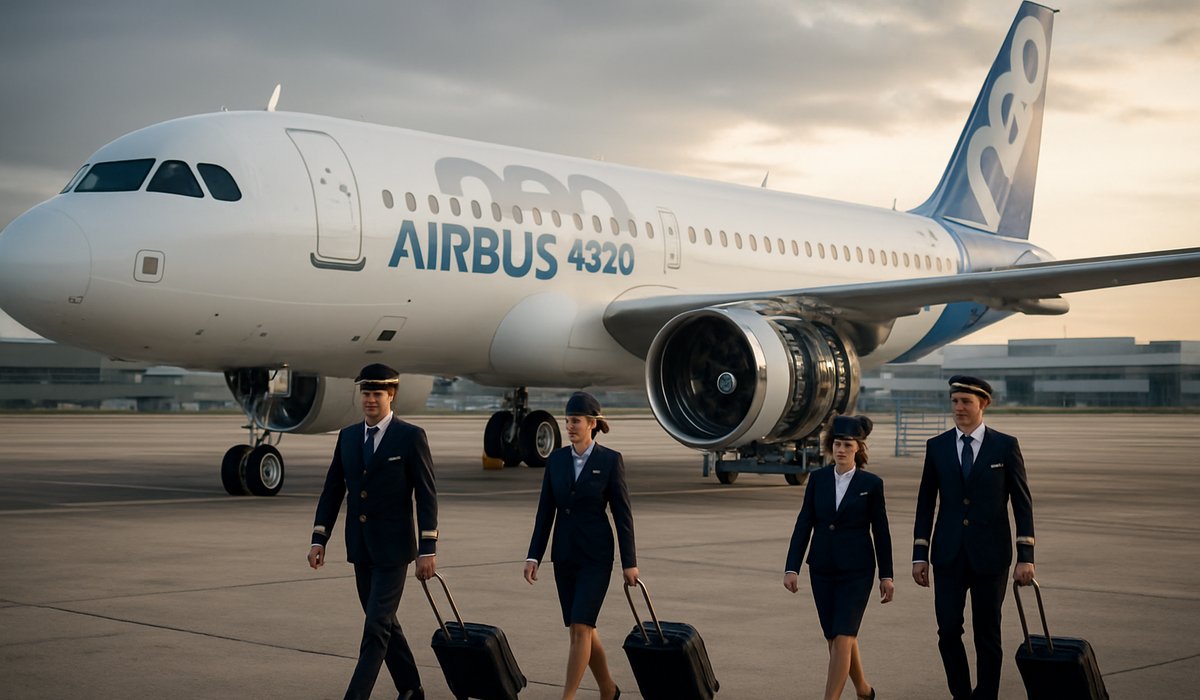
Image generated by AI
Airlines Cannibalize Brand-New Airbus Jets for Engines as GTF Shortage Drives Unprecedented Parts Economics
The global aviation industry faces a critical supply chain crisis as Pratt & Whitney engine shortages make jet engines worth more than entire aircraft
A Costly Paradox: When Engines Exceed Aircraft Value
The aviation industry is confronting an extraordinary market distortion: nearly new Airbus A320neo family aircraft are being stripped for parts because their Pratt & Whitney GTF engines have become more economically valuable than the jets themselves. This unprecedented scenario reflects the severity of the ongoing global shortage of GTF engines, which power approximately half of the world's A320neo fleet and represent among the most critical components in modern commercial aviation.
The financial calculus has become stark. With engine maintenance lead times stretching between 250 to 300 days—a massive operational constraint—airlines operating A320neo aircraft face crippling delays when engines require service. Consequently, a functioning pair of GTF engines now commands a market price that can exceed the value of a relatively new airframe, particularly when factoring in the extended downtime costs associated with engine repairs.
The Crisis Behind the Collapse
This phenomenon stems directly from Pratt & Whitney's ongoing manufacturing difficulties with its GTF (Geared Turbofan) engine program. Since the A320neo entered service a decade ago, the engine supplier has struggled to meet global demand while managing quality issues that have resulted in numerous engine removals from service across the industry. The resulting supply shortage has created an inverted market where component scarcity overrides conventional aircraft economics.
Airlines facing urgent operational pressures have increasingly turned to acquisition and parting-out strategies as a solution. Rather than wait months for engine maintenance or purchase new aircraft at elevated prices, operators are acquiring relatively young A320neo frames specifically to harvest their engines for immediate deployment on existing aircraft in revenue service.
Ripple Effects Across Global Aviation
The GTF shortage carries significant implications beyond individual carrier operations. Extended maintenance intervals directly impact fleet utilization rates, reduce revenue-generating flight capacity, and inflate operational costs across the industry. For carriers operating thin margins post-pandemic, these delays translate directly to financial strain.
The crisis also signals deeper fragility in aviation's supply chain architecture. Pratt & Whitney's inability to scale production adequately has exposed the industry's vulnerability to single-supplier dependencies, prompting regulators and manufacturers to reassess supplier diversification strategies.
Industry Response
The situation underscores mounting pressure on Pratt & Whitney to accelerate its GTF engine production and resolve quality concerns. Airlines continue advocating for expedited engine repairs and increased availability, while manufacturers weigh the economic trade-offs between aircraft production and parts harvesting operations.
FAQ: GTF Engine Shortage and Airline Operations
Q: Why are GTF engines in such short supply? A: Pratt & Whitney has faced manufacturing constraints and quality issues with its GTF engine program, creating a significant supply deficit that has lasted years. The engine powers roughly 50% of active A320neo aircraft globally.
Q: How long does GTF engine maintenance typically take? A: Current lead times range from 250 to 300 days for engine maintenance, representing a critical operational bottleneck for airlines.
Q: What are airlines paying for used GTF engines? A: Market prices have escalated dramatically; in some cases, used GTF engine pairs exceed the market value of relatively new A320neo aircraft frames.
Q: Which airlines are most affected by this shortage? A: Any airline operating substantial A320neo fleets—including global carriers like American Airlines, United, Lufthansa, and numerous international operators—faces operational challenges.
Q: Will this shortage eventually resolve? A: Industry observers expect gradual improvement as Pratt & Whitney scales production, though normalized supply levels may take several years to achieve.
Related Travel Guides
- China Aviation Gridlock: 60 Flights Grounded and 180+ Delayed Across Beijing, Shanghai, and Xinjiang as Severe Weather Shatters Domestic Schedules; Major Updates for China Eastern, Air China, and China Express
- Airlines Reshape Fleets in 2026: airBaltic, Frontier, and IndiGo Prioritize Cost Efficiency
- Transavia Deploys Massive Leadership Overhaul to Shield European Travelers from Severe Workforce Shortages and Transit Chaos: Latest Airline News
Disclaimer
This article is for informational and educational purposes only. It does not constitute legal, financial, or professional advice. While we strive to provide accurate and up-to-date information, travel policies, regulations, and conditions change rapidly. Always verify information with official sources before making travel decisions. Nomad Lawyer makes no representations about the accuracy, reliability, completeness, or suitability of the information provided. Readers should consult qualified professionals for advice specific to their circumstances. The views expressed in this article are those of the author and do not necessarily reflect the views of Nomad Lawyer.
Preeti Gunjan
Contributor & Community Manager
A passionate traveller and community builder. Preeti helps grow the Nomad Lawyer community, fostering engagement and bringing the reader experience to life.
Learn more about our team →