
Global Airlines Turn to Cadet Programs and Airline Tagging to Secure Pilots
Airlines like Wizz Air, British Airways, and easyJet launch tagging and cadet programs to build pilot pipelines amid fleet expansions.

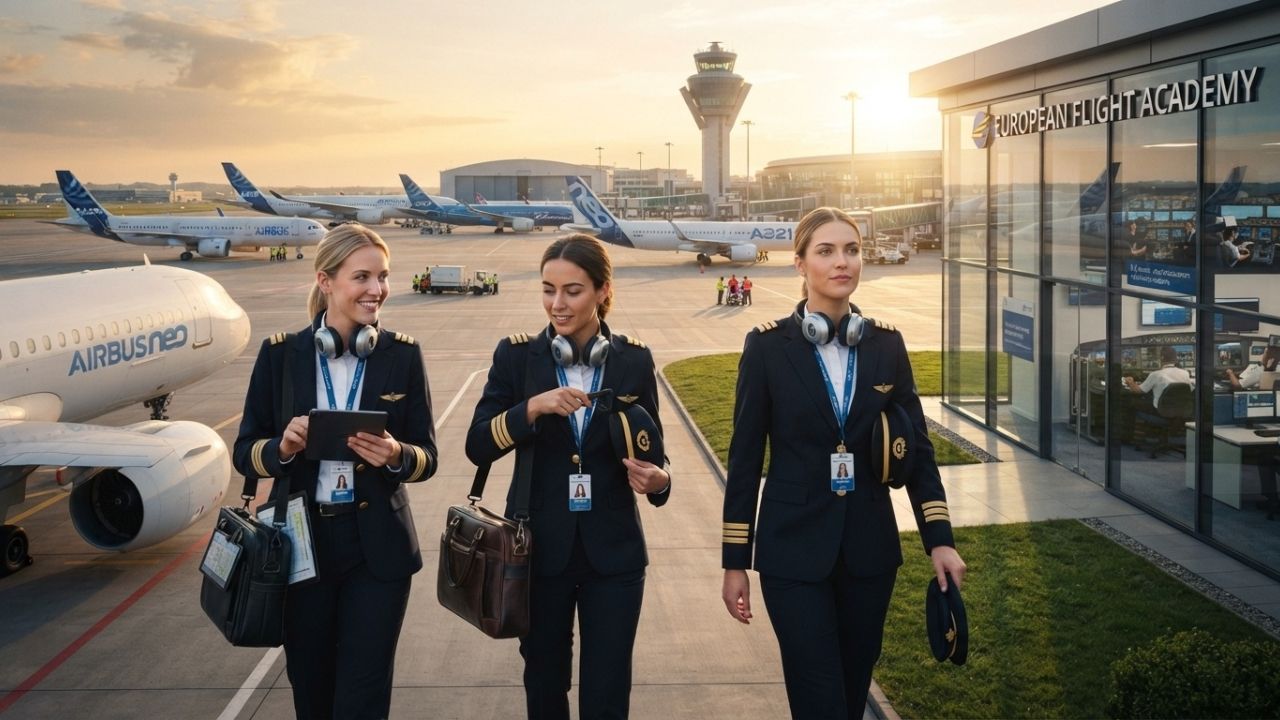
Image generated by AI
To secure qualified flight crews for upcoming aircraft deliveries, international airlines are expanding airline pilot cadet training programmes and tagging initiatives to recruit student pilots before graduation.
[London, July 30, 2026] — A major transition in aviation workforce planning is taking place across the global travel sector as carriers adjust how they secure future cockpit crews. Instead of waiting for licensed pilots to apply after completing flight school, airlines are launching early tagging initiatives and direct cadet partnerships. This structured strategy allows airlines to monitor student performance, align flight training with commercial standards, and secure cockpit staff before graduation.
The expansion of these initiatives comes as carriers build out fleets and prepare for retiring pilot cohorts. By establishing direct agreements with flight training organizations, airlines are building early-stage talent pipelines that ensure operational stability and flight schedule reliability.
The Shift Toward Tagging and Early Recruitment
The traditional hiring path in commercial aviation was simple: student pilots completed flight school independently, earned their commercial licenses, and then applied to airlines for entry-level first officer roles. Today, high training costs and pilot shortages have shifted the process. Under the new airline tagging model, carriers partner with flight schools to select candidates early in their training, providing a structured pathway to the cockpit.
This tagging approach allows airlines to standardize pilot training from day one. Candidates undergo assessments designed by the partnering airline and complete simulator sessions matching the carrier's specific aircraft fleet. This early alignment reduces transition times when graduates enter commercial flight status.
Low-Cost Carriers Lead Tagging Initiatives in Europe
Low-cost carriers are implementing some of the most aggressive pilot development strategies to support fleet expansion:
- Wizz Air: The carrier operates the Wizz Air Pilot Academy to develop candidates with limited previous flight experience. A recent partnership with training provider Aeros expands this model, creating direct monitoring pathways for flight school graduates. The airline also runs internal programs to help cabin crew retrain as pilots.
- easyJet: The carrier utilizes the Generation easyJet Pilot Training Programme to train cadets specifically for its Airbus fleet. This direct route ensures that graduates are ready to enter Airbus A320 cockpit operations immediately.
- Ryanair: The carrier runs the Future Flyer Academy, collaborating with flight schools across Europe to secure first officers. Ryanair's high-volume hiring strategy is designed to support its massive order book of Boeing 737 aircraft.
Legacy Carriers Expand Fully Funded Cadet Systems
Legacy airlines are also investing in flight training infrastructure to lower the entry barriers for candidates:
- British Airways: The carrier operates the Speedbird Pilot Academy. Unlike programs that require student financing, British Airways has invested £18 million to fully fund up to 160 training positions. This program covers the training cost of approximately £100,000 per cadet, removing the primary financial barrier to entry.
- Lufthansa: The German carrier runs the European Flight Academy, maintaining a centralized pilot school system to supply its regional and mainline operations.
- Middle East and Asian Carriers: Airlines like Emirates, Singapore Airlines, Qatar Airways, Air India, and IndiGo operate dedicated cadet pilot programs. These programs are designed to train ab-initio (beginner) candidates to meet regional aviation growth requirements.
The table below outlines the primary pilot training programs and carrier recruitment initiatives:
Global Airline Pilot Cadet and Tagging Programs 2026
| Airline / Carrier | Dedicated Cadet Program | Training Funding Model | Primary Fleet Target |
|---|---|---|---|
| British Airways | Speedbird Pilot Academy | Fully funded (£18M investment) | Airbus & Boeing fleets |
| Wizz Air | Wizz Air Pilot Academy | Co-funded / Deferred payment | Airbus A320 / A321neo |
| easyJet | Generation easyJet | Candidate funded (tagged route) | Airbus A320 fleet |
| Ryanair | Future Flyer Academy | Candidate funded (tagged route) | Boeing 737 fleet |
| Emirates | Emirates Flight Academy | Internally managed training | Boeing 777X & Airbus A350 |
| Air India | Air India Cadet Program | Structured airline-backed | Narrow-body & wide-body |
Why This Matters
From a legal and logistical standpoint, this creates a more secure path for aspiring pilots who face high financial risks during flight training. Historically, students had to self-fund their commercial pilot licenses, taking on up to £100,000 in debt without any guarantee of employment. Airline-backed cadet programs reduce this risk by offering conditional employment contracts before advanced flight training begins, protecting the candidate's investment.
For the traveler, this means a more stable aviation network. When airlines face pilot shortages, they are forced to trim flight schedules, cancel regional routes, and limit network expansion. A reliable pipeline of incoming first officers ensures that airlines can staff their cockpits, reducing summer schedule disruptions and maintaining flight connections.
Industry Outlook
Our analysis indicates that airline-owned flight schools and sponsored training programs will become the standard hiring route for the aviation industry. As the cost of independent flight training remains high, airlines must actively sponsor candidates to attract diverse talent and keep pace with commercial aircraft deliveries.
Furthermore, market trends suggest that carriers will expand internal retraining programs. By offering cabin crew and ground staff pathways to transition into the cockpit, airlines can utilize their existing workforce, reducing recruitment costs and supporting long-term employee retention.
Related: Frontier Airlines Flight FFT4025 from Orlando Diverted to Charlotte
Related: Air Canada Introduces Basic Business and Premium Economy Fares
Related: Akasa Air Launches New Direct Flights Connecting Kochi and Kuwait
Disclaimer
This article is for informational and educational purposes only. It does not constitute legal, financial, or professional advice. While we strive to provide accurate and up-to-date information, travel policies, regulations, and conditions change rapidly. Always verify information with official sources before making travel decisions. Nomad Lawyer makes no representations about the accuracy, reliability, completeness, or suitability of the information provided. Readers should consult qualified professionals for advice specific to their circumstances. The views expressed in this article are those of the author and do not necessarily reflect the views of Nomad Lawyer.
Raushan Kumar
Founder & Lead Developer
Full-stack developer with 11+ years of experience and a passionate traveller. Raushan built Nomad Lawyer from the ground up with a vision to create the best travel and law experience on the web.
Learn more about our team →