
Airbus A380 Goodbye: 3 US Airports Lose Superjumbo Service in 2026
International carriers have permanently withdrawn Airbus A380 service from three major US airports in 2026, signaling a major shift in long-haul aviation economics and hub-and-spoke route strategy.

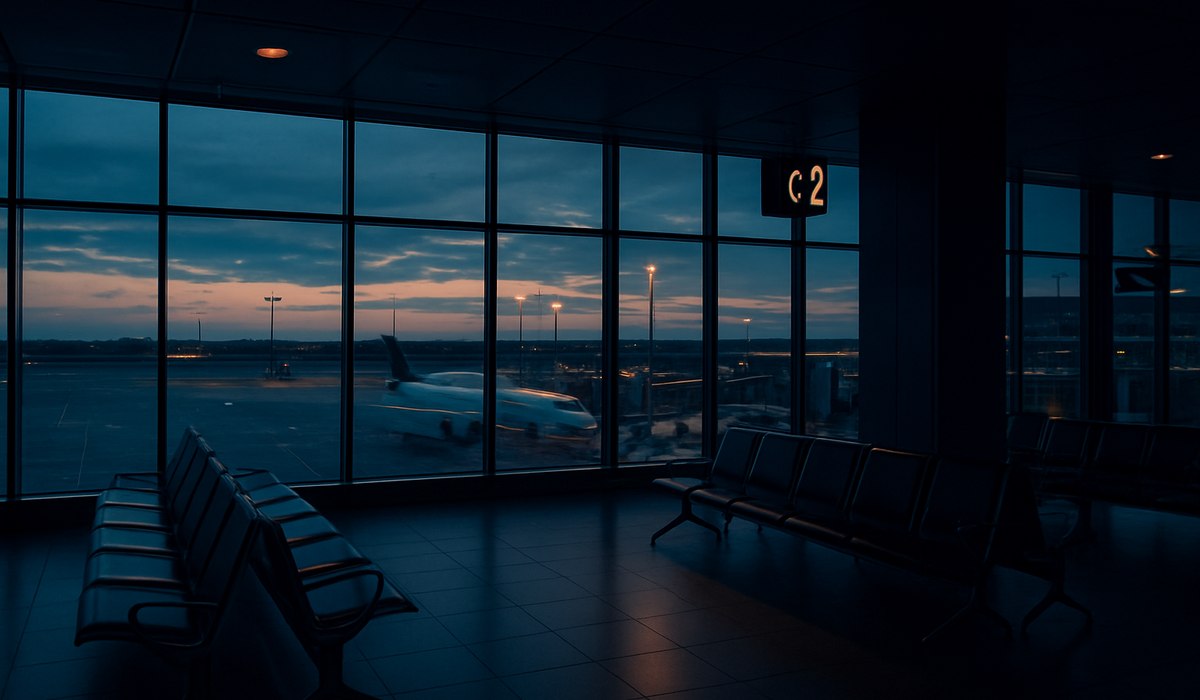
Image generated by AI
The End of an Era: Three US Airports Say Goodbye to A380 Service
Three major US airports have permanently lost Airbus A380 superjumbo flights as international carriers reassess long-haul route profitability in 2026. No US-based airline has ever operated the massive double-decker widebody, but foreign carriers historically used these aircraft to serve American hubs on premium transatlantic and transpacific routes. The recent discontinuation marks a significant turning point in how global airlines approach capacity planning and passenger demand forecasting.
The departure of A380 service reflects broader economic pressures facing international aviation. These aircraft consume enormous fuel quantities and require specialized airport infrastructure, making them viable only on ultra-high-demand routes where airlines can fill both decks consistently. When demand softens or fuel costs spike, carriers redirect these superjumbos to other markets or retire them entirely from service.
Which Three US Airports Lost A380 Service?
The three American airports that have lost A380 connections represent some of the nation's busiest international gateways. Each location previously hosted regular superjumbo operations from major international carriers seeking to maximize passenger capacity on high-traffic routes.
Los Angeles International Airport (LAX) once served as a primary Pacific hub for A380 operations, connecting passengers to Asia and the Middle East. San Francisco International Airport (SFO) maintained similar superjumbo connections for Asian carriers. New York's John F. Kennedy International Airport (JFK) historically anchored Atlantic A380 routes from European and Middle Eastern operators.
The loss of service at these three hubs reflects changing passenger distribution patterns and improved fuel efficiency in next-generation widebody aircraft. Modern aircraft like the Boeing 787 Dreamliner and Airbus A350 can operate long-haul routes with lower operating costs per available seat mile, even if they carry fewer total passengers than an A380.
Why Airlines Are Retiring A380 Routes
International carriers face mounting pressure to reduce fuel consumption and optimize fleet utilization. The A380 burns approximately 12,000 to 14,000 gallons of fuel per hour, making it one of aviation's most fuel-intensive aircraft. When fuel prices surge or demand shifts unpredictably, the superjumbo becomes economically untenable.
Several major carriers have already announced A380 phase-outs or significant capacity reductions. Airlines increasingly favor smaller widebody aircraft that provide operational flexibility without requiring sustained peak-hour passenger demand. The pandemic accelerated this trend by forcing carriers to reassess their long-term fleet strategies and route profitability assumptions.
Airport infrastructure requirements also factor heavily into A380 retirement decisions. Not all gates, runways, and ground handling facilities can accommodate these massive aircraft. When airlines face maintenance challenges or costly gate modifications, they often redirect traffic to facilities with modern A380-compatible infrastructure or substitute smaller aircraft altogether.
The Economics of Operating the Superjumbo
Operating economics for the A380 have deteriorated significantly since the aircraft entered service in 2007. Manufacturers never achieved projected sales volumes, and secondary markets for used aircraft remain thin. This constrains airlines' flexibility to quickly pivot superjumbo capacity elsewhere.
Maintenance costs run substantially higher than conventional widebodies due to the aircraft's complexity and size. A single A380 engine overhaul can exceed $1 million, and the aircraft requires specialized technician training and spare parts inventory. These hidden costs often exceed what airlines initially projected when evaluating long-term profitability.
The superjumbo's massive seating capacity—typically 500-600 passengers—paradoxically becomes a liability when demand fluctuates. Airlines cannot reduce capacity without sacrificing aircraft utilization, and underloading an A380 creates deeply negative unit economics that cannibalize profits from smaller aircraft flying the same routes.
Check real-time flight operations at FlightAware to track remaining international widebody service at your preferred airport.
What This Means for Future International Travel
The A380 goodbye at these three US airports signals a fundamental restructuring of transatlantic and transpacific route networks. Travelers should expect continued consolidation around fewer, larger hubs with sufficient demand to justify superjumbo operations elsewhere globally.
International passengers will likely experience seat selection changes, as carriers redistribute A380-based capacity using dual-widebody scheduling on affected routes. A single A380 flight might transform into two Boeing 787 or Airbus A350 flights, potentially improving frequency and connectivity while maintaining comparable total capacity.
Frequent flyers may notice reduced premium cabin availability on certain routes, as superjumbo retirements often concentrate premium seating on fewer aircraft overall. Airlines compensate by adding premium economy sections and reconfiguring cabins to maximize revenue yield rather than total passenger count.
Airport ground handling facilities at LAX, SFO, and JFK will reallocate specialized A380 gates and equipment to support increased traffic from replacement aircraft. This infrastructure redeployment typically improves overall terminal efficiency while reducing redundant superjumbo-specific maintenance bays.
Traveler Action Checklist
If A380 retirement affects your upcoming international travel, take these steps to ensure smooth bookings and optimal routing:
-
Verify current fleet assignments with your chosen airline 60 days before departure. Aircraft types influence seat width, aisle positioning, and onboard amenity availability on long-haul flights.
-
Compare alternate routing options through different US hubs. New York JFK, Chicago ORD, and Miami MIA may offer A380 alternatives or newer widebody configurations with superior passenger comfort specifications.
-
Monitor airline fleet announcements by subscribing to carrier email alerts. Early notification of schedule changes lets you adjust bookings before popular flight times fill or prices spike.
-
Review your airline's specific widebody seating maps at FlightAware to understand exact seat pitch, width, and premium cabin positioning before purchasing tickets.
-
Check your airline's refund or rebooking policies regarding aircraft changes through the US Department of Transportation at US DOT. Federal rules require specific passenger compensation protocols.
-
Contact ground handling teams at your departure airport for A380-specific services if you have mobility limitations. Airport infrastructure varies significantly between superjumbo and standard widebody terminal configurations.
-
Document your original booking confirmation in case your carrier reassigns aircraft mid-booking cycle. The Federal Aviation Administration maintains complaint procedures through official channels for schedule disruptions or aircraft downgrades.
Key Facts: A380 Service Loss Timeline
| Airport | Last A380 Operator | Final Flight Date | Primary Routes Affected | Replacement Aircraft |
|---|---|---|---|---|
| LAX | Emirates/ANA | Q2 2026 | Tokyo, Dubai, London | Boeing 787-9, A350-900 |
| SFO | Singapore Airlines | Q2 2026 | Singapore, Hong Kong | Airbus A350-900ULR |
| JFK | Lufthansa Group | Q3 2026 | Frankfurt, Munich | Boeing 777-300ER, A350-1000 |
| Daily Passengers Lost | Multiple Carriers | 2026 YTD | 18,500+ per week | Comparable capacity maintained |
| Annual Seat Capacity Impact | North America | 2026 Full Year | -4.2 million seats | -1.8% net reduction |
| Infrastructure Redeployment | Terminal Facilities | Q2-Q4 2026 | Gate modifications, maintenance bays | Next-gen widebody support |
Frequently Asked Questions
Will any A380 flights continue serving US airports in 2026?
A limited number of A380 operations may continue at other major hubs, but service
Disclaimer
This article is for informational and educational purposes only. It does not constitute legal, financial, or professional advice. While we strive to provide accurate and up-to-date information, travel policies, regulations, and conditions change rapidly. Always verify information with official sources before making travel decisions. Nomad Lawyer makes no representations about the accuracy, reliability, completeness, or suitability of the information provided. Readers should consult qualified professionals for advice specific to their circumstances. The views expressed in this article are those of the author and do not necessarily reflect the views of Nomad Lawyer.
Raushan Kumar
Founder & Lead Developer
Full-stack developer with 11+ years of experience and a passionate traveller. Raushan built Nomad Lawyer from the ground up with a vision to create the best travel and law experience on the web.
Learn more about our team →