
Qantas Faces Critical Fleet Decision: Airbus A350 or Boeing 787 to Replace Aging A380 Superjumbos
Breaking airline news and aviation industry updates for 2026.

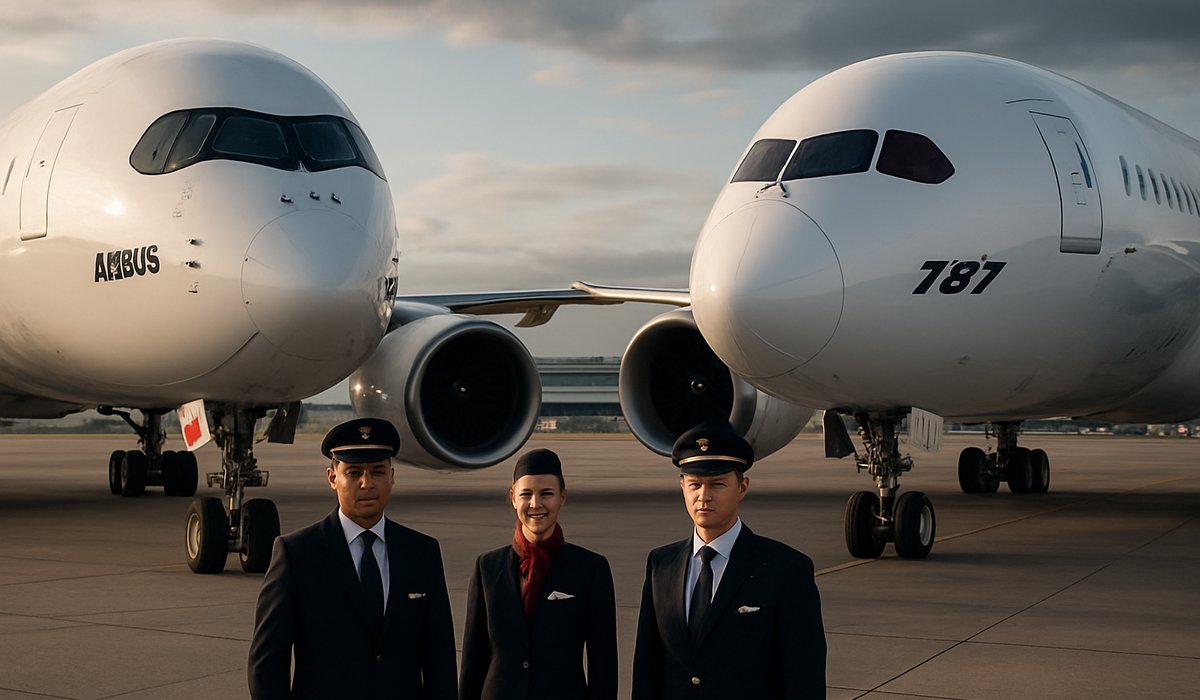
Image generated by AI
Qantas Faces Critical Fleet Decision: Airbus A350 or Boeing 787 to Replace Aging A380 Superjumbos
Australian carrier evaluates next-generation widebody aircraft as iconic four-engine jets near retirement
The A380 Era Winds Down for Qantas
Qantas Airways is navigating a pivotal strategic decision as it confronts the inevitable retirement of its superjumbo fleet, with preliminary discussions underway regarding potential orders for either the Airbus A350 or Boeing 787 Dreamliner to fill the void. The move represents a seismic shift for Australia's flagship carrier, which once operated 12 Airbus A380s at the height of the aircraft's dominance on ultra-long-range international routes.
The airline has already decommissioned two of these four-engine giants, leaving ten remaining A380s in its fleet. As these aging aircraft approach the end of their economically viable service life, Qantas faces mounting pressure to chart a sustainable path forward in an increasingly cost-conscious aviation landscape.
Weighing Modern Alternatives
The decision between the European-built A350 and Boeing's 787 represents far more than a simple aircraft selection. Each platform offers distinct operational advantages that could reshape Qantas's competitive positioning across Asia-Pacific routes and long-haul networks connecting Australia to North America and Europe.
The A350, featuring advanced fuel efficiency and modular cabin configurations, competes directly against the 787 Dreamliner—a carbon-composite aircraft renowned for lower operating costs and passenger comfort innovations. Both aircraft consume significantly less jet fuel than the A380, a critical consideration given volatile energy markets and the airline industry's mounting pressure to reduce carbon emissions.
Industry Context and Implications
Qantas's fleet modernization initiative arrives amid broader aviation sector trends toward right-sizing operations. Airlines globally are retiring four-engine superjumbos in favor of twin-engine widebodies that deliver superior fuel economy without sacrificing capacity on premium routes. The decision carries implications beyond Qantas, potentially influencing other oneworld alliance members and carriers across the Asia-Pacific region evaluating similar transitions.
For Qantas, the replacement aircraft must balance capacity, range, and profitability across contested ultra-long-haul markets where fuel efficiency directly impacts margin sustainability. The choice will reverberate through the airline's network planning, pilot training requirements, and maintenance infrastructure investments for years to come.
FAQ: Qantas Fleet Replacement and Aircraft Selection
What aircraft is Qantas replacing? Qantas is phasing out its fleet of 12 Airbus A380 superjumbo jets, with two already retired and ten remaining aircraft approaching end-of-service age.
Why are airlines replacing the A380? Modern twin-engine widebodies like the A350 and 787 offer superior fuel efficiency, lower operating costs, and improved profitability compared to four-engine superjumbos, making them better suited to current market dynamics.
How do jet fuel costs affect this decision? Rising jet fuel prices make fuel-efficient aircraft increasingly critical. Both the A350 and 787 consume substantially less fuel than the A380, directly impacting operating margins on long-haul routes.
What are the differences between the A350 and 787? The Airbus A350 offers modular cabin flexibility and European manufacturing support, while Boeing's 787 emphasizes composite construction, passenger comfort features, and proven operational reliability across global carriers.
When will Qantas announce its decision? No official timeline has been confirmed, though fleet replacement decisions typically require 18-36 months from initial evaluation through formal order announcement.
Related Travel Guides
- Maldivian Marks 18 Years Connecting India to Paradise: A Milestone in South Asian Airline Connectivity
- Preventing Security-Driven Travel Chaos: India DGCA Issues Urgent Clarification on Airport Photography to Eradicate Terminal Gridlock
- United Airlines Boeing 737 MAX Launches First Transatlantic Glasgow Route
Disclaimer
This article is for informational and educational purposes only. It does not constitute legal, financial, or professional advice. While we strive to provide accurate and up-to-date information, travel policies, regulations, and conditions change rapidly. Always verify information with official sources before making travel decisions. Nomad Lawyer makes no representations about the accuracy, reliability, completeness, or suitability of the information provided. Readers should consult qualified professionals for advice specific to their circumstances. The views expressed in this article are those of the author and do not necessarily reflect the views of Nomad Lawyer.
Kunal K Choudhary
Co-Founder & Contributor
A passionate traveller and tech enthusiast. Kunal contributes to the vision and growth of Nomad Lawyer, bringing fresh perspectives and driving the community forward.
Learn more about our team →