
Airbus A350 Carbon Fiber Fuselage: Why Hard Landing Repairs Cost Airlines Millions
The Airbus A350's revolutionary carbon fiber composite structure cuts fuel consumption by 25%, but airlines face unprecedented repair complexity and expenses following hard landings in 2026.

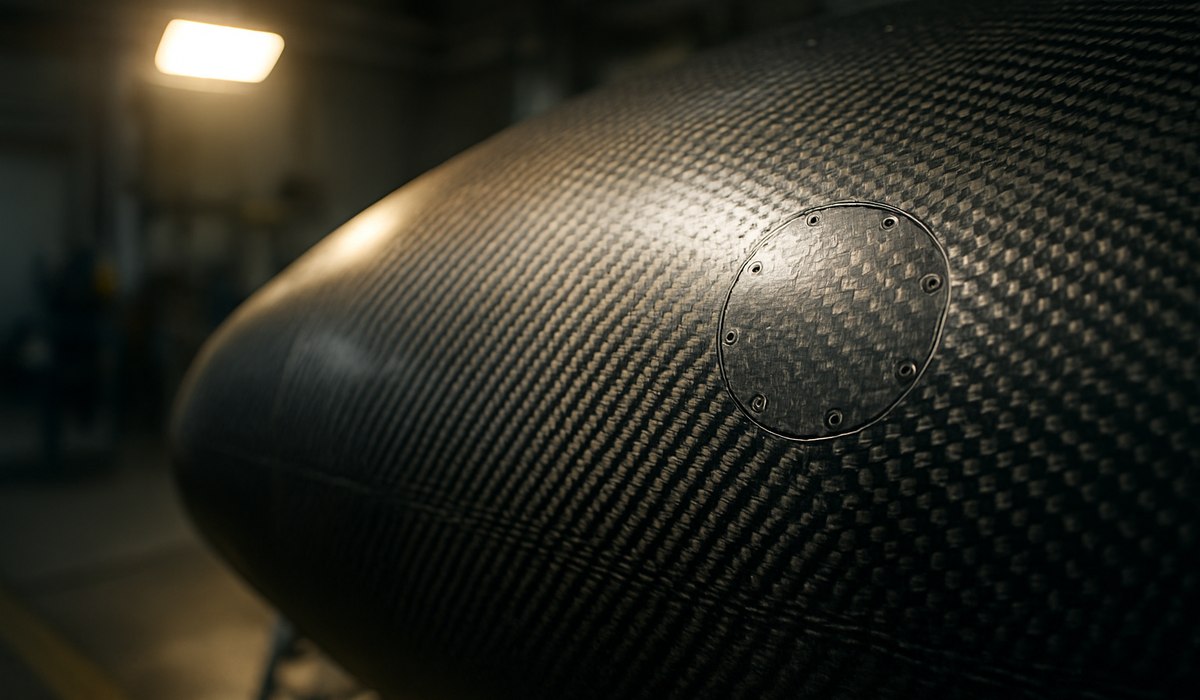
Image generated by AI
The Efficiency Paradox: Lighter Aircraft, Heavier Repair Burdens
The Airbus A350 represents aviation's most ambitious materials revolution, incorporating 53% composite materials by weight into its structure. Carriers including Delta Air Lines, Qatar Airways, and Singapore Airlines benefit from approximately 25% fuel consumption reductions compared to earlier widebody generations. Yet this engineering triumph creates a counterintuitive maintenance crisis: the same carbon fiber reinforcement that improves efficiency dramatically complicates post-incident repairs, particularly following hard landing events.
The A350's composite-heavy design distributes structural stress differently than traditional aluminum fuselages. When aircraft experience hard landings, carbon fiber components don't simply dent or crease like metal alternatives. Instead, they develop microscopic delamination—layers separating invisibly from the substrate. These hidden damage patterns remain undetectable to visual inspection, requiring advanced non-destructive testing and specialized repair protocols that few facilities worldwide possess.
Why Composites Matter: The A350's Fuel Efficiency Advantage
Airlines operating the A350 across major international routes achieved breakthrough operational economics. The carbon fiber fuselage reduces structural weight by approximately 20% versus aluminum equivalents, directly translating to lower fuel burn. For carriers flying 14+ hour transpacific routes—such as those operated by Singapore Airlines on Singapore-Los Angeles and Singapore-San Francisco services—annual fuel savings reach tens of millions of dollars.
The composite material strategy extends beyond the fuselage. Wings, tail surfaces, and cabin elements utilize carbon fiber reinforced polymers, creating an integrated lightweight structure. This design philosophy became possible because manufacturers mastered fiber layering techniques, allowing engineers to optimize material orientation for specific stress patterns. However, this precision creates maintenance complexity: repairs cannot simply follow historical aluminum patching procedures. Each composite section demands custom analysis of its unique fiber orientation, ply thickness, and load requirements.
According to the FAA's aircraft certification standards, composite structures must demonstrate equivalent safety margins to metallic designs. This regulatory requirement means repair shops must verify structural integrity through methods unavailable during earlier aircraft eras, increasing both technical expertise demands and certification timelines.
The Dark Side of Carbon Fiber: Repair Complexity and Costs
Hard landings trigger catastrophic challenges for carbon fiber fuselage maintenance teams. Unlike aluminum, which deforms visibly and can often be repaired through straightforward patch installation, composite structures suffer invisible damage layers. A hard landing might create delamination extending 30+ centimeters beyond the visible impact zone, compromising structural integrity across areas that appear perfectly intact.
Repairing damaged composite sections requires careful ply-by-ply analysis. Technicians must identify exact failure modes using ultrasonic scanning, thermography, and detailed microscopic examination. Once damage extent becomes known, repair strategies vary dramatically: some sections require complete composite replacement using specialized autoclave curing equipment, while others demand partial layer rebuilding with precision fiber alignment to match original stress tolerances.
The cost differential proves staggering. A comparable hard landing on Boeing 777 aluminum structures might necessitate 200 labor hours and $400,000 in repairs. Identical damage on an A350 could require 800+ labor hours and exceed $2 million when including specialized technician overtime, composite material costs, and extended curing times. Many regional repair facilities lack required capabilities, forcing airlines to deadhead aircraft to major hubs equipped for composite work.
Supply chain constraints compound these challenges. Only a limited network of authorized Airbus repair facilities worldwide maintains certification for A350 composite restoration. Damage occurring on A350s operating from emerging aviation markets—such as Malaysian Airlines A350 flights departing Kuala Lumpur—may require transporting aircraft across continents for proper restoration.
How Airlines Are Adapting to New Maintenance Challenges
Industry leaders recognize that hard landing frequency remains unpredictable, making repair capability investment essential. Major carriers have established specialized composite repair centers specifically for A350 fleets. Delta Air Lines expanded its Atlanta maintenance campus with dedicated A350 facilities, while Qatar Airways developed comprehensive repair capabilities at Doha's expanding maintenance complex.
Some airlines implement enhanced landing procedure protocols targeting hard landing prevention. Training programs emphasize stable approach monitoring and go-around decision-making during challenging conditions. Weather diversion policies have become more aggressive, with carriers prioritizing safety over schedule adherence when crosswind components or visibility limits approach critical thresholds.
Predictive maintenance technology offers additional protection. Modern A350 aircraft feature integrated structural health monitoring systems that detect stress patterns suggesting potential delamination. These early warnings allow technicians to perform detailed inspections before failures propagate, potentially identifying issues during routine maintenance windows rather than after catastrophic hard landing events.
Insurance considerations have evolved accordingly. Underwriters now charge premium adjustments reflecting composite repair cost exposure. Carriers investing in prevention programs and rapid-response repair capabilities receive favorable rate considerations, creating financial incentives for infrastructure investment.
Long-Term Industry Implications for Aircraft Design
The A350 repair experience is reshaping how manufacturers approach future composite integration. Boeing's 787 Dreamliner, which pioneered composite fuselage structures across the widebody market, has generated seven years of damage data helping engineers understand real-world composite failure patterns. This institutional knowledge now informs next-generation designs.
Airbus and Boeing engineers are collaborating informally through industry forums to establish standardized composite repair certifications. The goal involves creating portable expertise pools: certified technicians from one carrier potentially supporting emergency repairs for competitors' aircraft. This standardization would reduce geographic repair limitations currently forcing aircraft transits across continents.
Material science advancement offers long-term solutions. Self-healing polymers and thermoplastic composites—materials that soften under controlled heating for reworking—represent active research areas. Within 5-10 years, these advanced materials could dramatically simplify composite repairs, potentially reducing labor requirements and equipment complexity.
Regulatory bodies including the FAA and EASA are developing specific guidance for composite aircraft maintenance. Rather than forcing operators to navigate improvised repair strategies, regulators intend publishing standardized methodologies that balance safety requirements with practical maintainability. This regulatory clarity will accelerate certification timelines for independent repair shops entering the market.
| Metric | Detail | Impact |
|---|---|---|
| Composite Material Content | 53% by weight in A350 structure | Exceptional fuel efficiency, complex repairs |
| Fuel Consumption Reduction | ~25% versus previous widebodies | Significant airline operational savings |
| Hard Landing Repair Time | 800+ hours versus 200 hours aluminum | Extended aircraft out-of-service periods |
| Estimated Repair Cost | $2+ million per major hard landing incident | Substantial financial exposure for carriers |
| Global Repair Facilities | Limited authorized Airbus centers | Geographic constraints on repair access |
| Delamination Detection Depth | 30+ centimeters beyond visible impact | Invisible structural damage complexity |
| Certification Timelines | 6-12 months for new independent shops | Limited capacity expansion pace |
What This Means for Travelers
Hard landing incidents rarely cause passenger injuries on modern aircraft, as pilot training and cockpit technology prevent dangerous situations from reaching critical levels. However, service disruptions occur when aircraft require extended maintenance.
Traveler Action Checklist:
-
Track your flight's specific aircraft using FlightAware, noting the tail number—this enables identifying actual equipment used for your route.
-
Understand your rights under US Department of Transportation consumer protection rules, which mandate cash compensation for significant delays regardless of aircraft condition.
-
Request rebooking immediately if your airline grounds an A350 for unexpected maintenance—carriers must rebook at no additional cost on competing carriers if applicable.
-
Document everything before, during, and after travel disruptions—photographs, confirmation numbers, and communication timestamps strengthen compensation claims.
-
**File claims within
Disclaimer
This article is for informational and educational purposes only. It does not constitute legal, financial, or professional advice. While we strive to provide accurate and up-to-date information, travel policies, regulations, and conditions change rapidly. Always verify information with official sources before making travel decisions. Nomad Lawyer makes no representations about the accuracy, reliability, completeness, or suitability of the information provided. Readers should consult qualified professionals for advice specific to their circumstances. The views expressed in this article are those of the author and do not necessarily reflect the views of Nomad Lawyer.
Raushan Kumar
Founder & Lead Developer
Full-stack developer with 11+ years of experience and a passionate traveller. Raushan built Nomad Lawyer from the ground up with a vision to create the best travel and law experience on the web.
Learn more about our team →