
Aircraft Cabin Feet: Why Flying Feels Physically Different at 40,000 Feet
At 40,000 feet, aircraft cabin environments create unique sensations through pressurization engineering. Discover why your body feels different in the sky during 2026 travel.

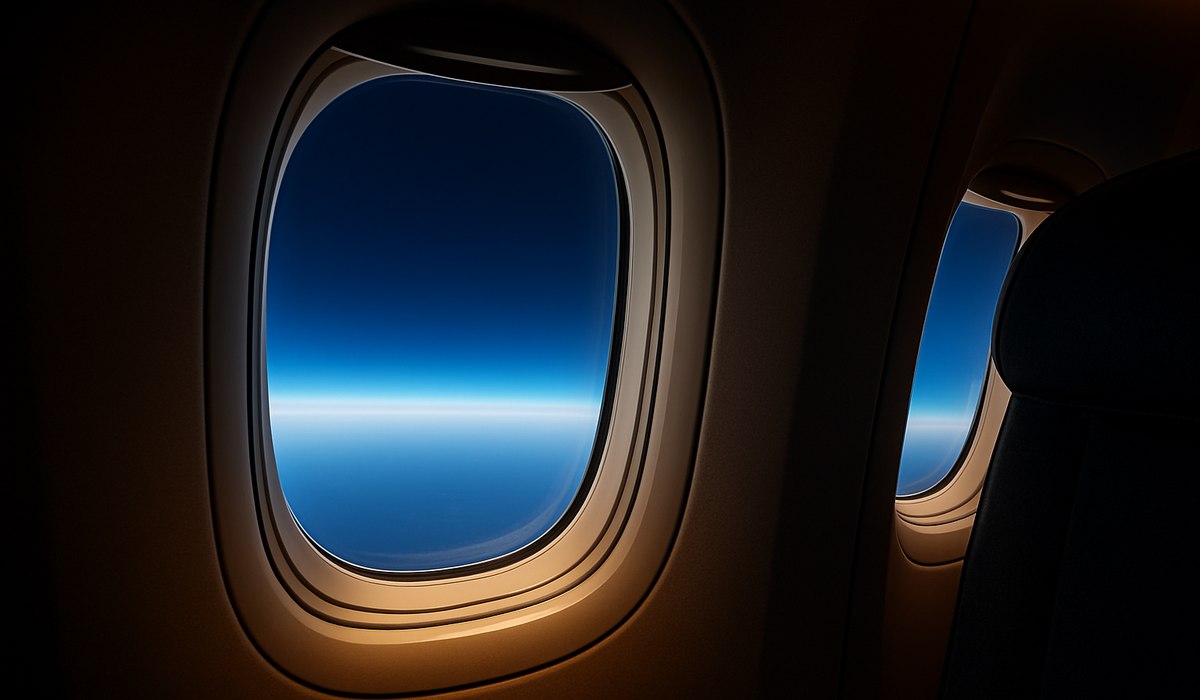
Image generated by AI
At 40,000 Feet: Understanding Why Aircraft Cabins Feel Fundamentally Different
When you step aboard a commercial aircraft, you're entering a precisely engineered life-support system unlike any ground-level environment. At cruising altitude, the external air pressure drops to approximately 4% of sea-level conditions, yet modern pressurization keeps your cabin feeling relatively normal. This creates a paradox: you're surrounded by an unbreathable near-vacuum, yet the cabin atmosphere remains survivable through constant mechanical intervention. Your body's response to these conditions—fatigue, dehydration, mild disorientation—isn't psychological. It's a direct reaction to the physics of high-altitude aviation and the engineering choices airlines make to balance safety, comfort, and fuel efficiency.
The sensation of flying at 40,000 feet differs profoundly from ground-level experiences because your body operates in a calibrated artificial environment, not the natural atmosphere you evolved to inhabit. Understanding this science transforms how you experience long-haul flights and prepares you for physiological changes during travel.
The Physics of Pressurization: Why Cabins Feel Unique
Aircraft cabin pressurization represents one of aviation's most critical engineering achievements. Modern airliners maintain cabin pressure equivalent to 6,000–8,000 feet of altitude, even when the aircraft flies at 43,000 feet or higher. This means your cabin environment feels like standing on a high mountain, not at sea level.
The external atmospheric pressure at 40,000 feet is roughly 188 millibars compared to 1,013 millibars at sea level. Without pressurization, cabin occupants would experience rapid decompression, unconsciousness, and death within minutes. Pressurization systems pump compressed air from the engines into the fuselage, maintaining a survivable pressure differential. This continuous mechanical process creates the unique sensory experience millions of travelers notice but rarely understand.
Your ears pop during cabin pressurization and depressurization cycles because air pressure differences affect the Eustachian tubes in your inner ear. The cabin environment also feels drier than ground-level air because high-altitude air contains minimal moisture. Pressurization equipment compresses this dry air further, creating humidity levels of 10–20% compared to typical indoor humidity of 30–60%. This explains why your skin feels tight, your throat becomes scratchy, and your nasal passages dry out during flights.
Learn more about aviation safety systems on the FAA's official website.
How Your Body Responds to Altitude and Low Humidity
Your body's physiological response to aircraft cabin feet environments triggers multiple simultaneous reactions. Even at the equivalent 6,000–8,000 feet cabin altitude, oxygen saturation in your blood decreases measurably. Most passengers experience mild hypoxia during flight, though your body compensates through increased heart rate and breathing rate.
Cabin humidity levels in the 10–20% range accelerate moisture loss from your skin and respiratory system. This dehydration effect intensifies when combined with alcohol or caffeine consumption, which act as diuretics. After a six-hour flight, many passengers lose approximately one to two liters of body water. This fluid loss directly contributes to jet lag symptoms, headaches, and general fatigue that persist for hours after landing.
The cabin pressure differential also affects your inner ear's vestibular system, which controls balance and spatial orientation. Some passengers report mild vertigo, dizziness, or spatial disorientation during flight, particularly during altitude changes. These sensations aren't imagination—they reflect genuine changes in how your inner ear perceives gravity and motion in a pressurized, moving environment.
Cabin temperature variations between 65–75°F create additional stress on your thermoregulation system. Combined with low humidity and decreased oxygen availability, your body must work harder to maintain homeostasis. This metabolic effort contributes to fatigue and explains why experienced travelers prioritize hydration and movement during long flights.
Cabin Design Innovations That Minimize Discomfort
Airlines and aircraft manufacturers have invested heavily in cabin engineering innovations specifically designed to reduce the discomfort associated with aircraft cabin feet environments. Modern wide-body aircraft like the Boeing 787 and Airbus A350 feature advanced pressurization systems that maintain cabin altitude equivalents as low as 6,000 feet compared to the 8,000-foot standard on older aircraft.
The Boeing 787 Dreamliner incorporates humidity control systems that boost cabin humidity to 40%, nearly double the industry standard. This innovation significantly reduces dehydration effects during long-haul flights. Passengers report noticeably less throat dryness, fewer headaches, and improved overall comfort on these newer aircraft compared to legacy airliners.
Advanced air filtration systems including HEPA filters ensure that cabin air undergoes complete replacement every 2–3 minutes. This maintains air quality and reduces pathogen transmission, creating a healthier in-flight environment. Cabin lighting innovations, including dynamic color-temperature adjustment, help regulate circadian rhythms and reduce jet lag severity on overnight flights.
Wider cabin designs in aircraft like the Airbus A380 and Boeing 787 provide improved passenger space perception. Research demonstrates that larger cabin volumes with higher ceilings reduce psychological stress and claustrophobia sensations. Better cabin ergonomics, including improved seat design and increased legroom options, reduce physical strain during long flights and complement the physiological adaptations required by aircraft cabin feet environments.
What Airlines Are Doing to Improve the Flying Experience
Major carriers including American Airlines, United Airlines, Delta Air Lines, and international operators like Lufthansa, Singapore Airlines, and Emirates have prioritized cabin comfort improvements as competitive differentiators. Fleet modernization programs emphasize aircraft with advanced pressurization and environmental control systems that directly address the unique challenges of aircraft cabin feet environments.
American Airlines has deployed over 500 Boeing 787 aircraft across its network, specifically citing improved cabin conditions as a passenger benefit. United Airlines similarly prioritizes newer aircraft on long-haul routes, reducing reliance on older wide-body jets with standard pressurization. These fleet strategies reflect industry recognition that cabin environment quality significantly impacts passenger satisfaction and health outcomes.
Cabin crew training programs increasingly emphasize passenger assistance during pressurization transitions. Flight attendants now regularly communicate with passengers about ear-clearing techniques, hydration importance, and movement recommendations during flight. Premium cabin services, including enhanced humidity levels and cabin pressure modifications in first and business class, demonstrate carrier commitment to addressing aircraft cabin feet comfort across service levels.
Preventive health initiatives from carriers include pre-flight hydration messaging, in-flight hydration beverage service enhancements, and cabin crew distribution of electrolyte-enhanced water on long-haul flights. Some carriers offer compression socks and movement guidance to reduce deep vein thrombosis risks associated with prolonged immobility in pressurized cabin environments.
For regulatory oversight and passenger rights information, consult the U.S. Department of Transportation's Aviation Consumer Protection Division.
Critical Cabin Environment Data: 2026 Standards
| Environmental Factor | Aircraft Cabin Feet (40,000 ft cruise) | Ground Level Equivalent | Industry Standard | Advanced Aircraft Standard |
|---|---|---|---|---|
| External Air Pressure | 188 millibars | N/A | N/A | N/A |
| Cabin Altitude Equivalent | 6,000–8,000 feet | Sea level | 8,000 feet | 6,000 feet |
| Oxygen Saturation Impact | 94–96% (mild hypoxia) | 98–99% | Acceptable | Improved to 96–97% |
| Cabin Humidity Level | 10–20% | 30–60% | 10–20% | 40% (Boeing 787) |
| Temperature Range | 65–75°F | Variable | 70–72°F typical | 70–72 |
Disclaimer
This article is for informational and educational purposes only. It does not constitute legal, financial, or professional advice. While we strive to provide accurate and up-to-date information, travel policies, regulations, and conditions change rapidly. Always verify information with official sources before making travel decisions. Nomad Lawyer makes no representations about the accuracy, reliability, completeness, or suitability of the information provided. Readers should consult qualified professionals for advice specific to their circumstances. The views expressed in this article are those of the author and do not necessarily reflect the views of Nomad Lawyer.
Raushan Kumar
Founder & Lead Developer
Full-stack developer with 11+ years of experience and a passionate traveller. Raushan built Nomad Lawyer from the ground up with a vision to create the best travel and law experience on the web.
Learn more about our team →