
Airbus A380 Vindication: How a $30 Billion "Failure" Became Aviation's Most Coveted Aircraft
Breaking airline news and aviation industry updates for 2026.

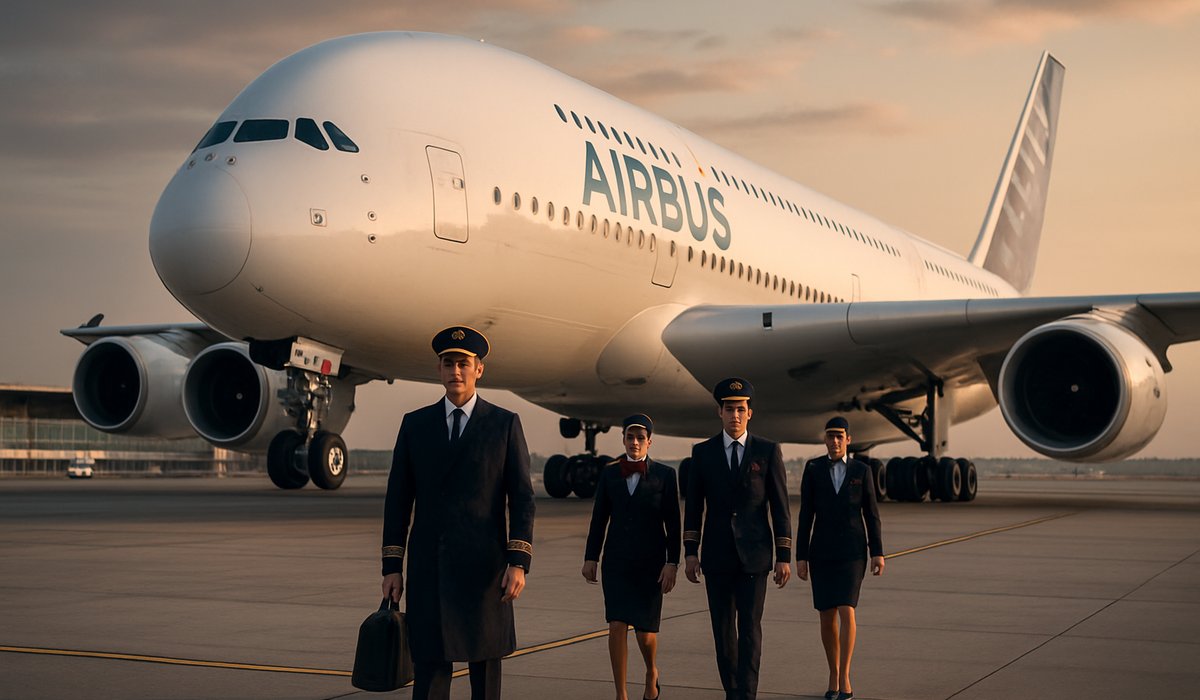
Image generated by AI
Airbus A380 Vindication: How a $30 Billion "Failure" Became Aviation's Most Coveted Aircraft
Two decades after its troubled debut, the double-deck giant is experiencing an unexpected renaissance as airlines worldwide scramble for capacity
The Unlikely Turnaround
What was once derided as Airbus' most ambitious miscalculation has transformed into one of commercial aviation's most sought-after assets. The A380-800, which entered service in 2007 as a direct challenge to Boeing's iconic 747, is experiencing unprecedented demand in 2026—a stunning reversal for an aircraft program that consumed $30 billion in development costs and nearly bankrupted the European manufacturer.
The superliner's resurgence reflects seismic shifts in global aviation economics. Post-pandemic recovery, sustained fuel price volatility, and capacity constraints across major international routes have fundamentally changed how airlines view ultra-high-capacity aircraft. What industry analysts once dismissed as commercially unviable is now recognized as a strategic asset for premium long-haul operations.
Unmatched Capacity Meets Market Reality
The A380's distinctive twin-deck configuration remains unparalleled in commercial aviation. With the ability to carry between 555 and 900 passengers depending on seating configuration, the aircraft offers carriers unprecedented economies of scale on congested transcontinental routes—a capability no competitor currently provides.
Airlines operating the A380 have restructured cabin layouts to maximize premium seating, with carriers reporting exceptional profitability on flagship routes between Asia, Europe, and North America. The aircraft's substantial passenger capacity translates directly to reduced per-seat operating costs on high-demand corridors, a advantage becoming increasingly valuable as jet fuel prices remain elevated.
Industry Recognition and Fleet Dynamics
The aviation sector's reassessment of the A380 highlights a critical lesson in long-term aircraft economics: initial commercial judgments often fail to account for evolving market conditions and operational innovations. Major carriers including Emirates, Singapore Airlines, and Qantas have recommitted to A380 operations, with several airlines actively acquiring additional secondhand units.
This unexpected demand surge reflects broader aviation industry trends. Airline capacity constraints, driven by supply chain delays and manufacturing bottlenecks across commercial aircraft production, have made available widebody aircraft increasingly valuable. The A380's availability in the secondary market—as legacy operators retire aging fleets—has positioned it as a pragmatic solution for growth-focused carriers.
Looking Forward
Airbus' decision to cease A380 production in 2021 now appears strategically questionable. While the manufacturer has shifted focus toward smaller, more fuel-efficient aircraft models, global aviation demand patterns suggest that high-capacity, long-range solutions retain considerable market value during capacity-constrained periods.
The A380's trajectory from industry pariah to essential fleet asset represents a humbling correction for aviation analysts and a vindication for Airbus engineers who believed in the program's fundamental viability.
Frequently Asked Questions
Why is the Airbus A380 suddenly in demand again? Post-pandemic recovery combined with limited widebody aircraft availability has created capacity shortages on major international routes. The A380's unmatched seating capacity makes it economically attractive for high-demand corridors, particularly for premium cabin configurations.
What makes the A380 different from other commercial aircraft? The A380 is the only commercial passenger aircraft with a full double-deck configuration, allowing operators to carry 555-900 passengers. This unique design provides economies of scale unavailable with competing aircraft.
How do airline baggage charges and fuel costs affect A380 demand? Rising jet fuel prices increase the importance of operational efficiency. The A380's large passenger capacity reduces per-seat fuel costs on high-demand routes, making it economically competitive despite higher absolute fuel consumption.
Are airlines still buying new A380s? No. Airbus discontinued A380 production in 2021, but strong demand for used examples has emerged in the secondary market as carriers acquire retired aircraft from legacy operators.
How does the A380 compare to Boeing's 747? Both are long-range, high-capacity aircraft, but the A380 offers greater seating capacity through its dual-deck design. The 747 remains iconic but is gradually retiring from most commercial fleets.
Related Travel Guides
- Air New Zealand Sunshine Coast Service Launches Early With Record Capacity
- Federal Investigation Launched After American Airlines and Air Canada Jets Nearly Collide at JFK Airport
- Aviation Updates: Iberia Launches Voluntary Redundancy Programme for 996 Employees Across Ground Operations and Departments in Two Phases, as Spain's Flag Carrier Accelerates Long-Term Transformation Through Fleet Modernisation, Digital Investment and Workforce Realignment in 2026
Disclaimer
This article is for informational and educational purposes only. It does not constitute legal, financial, or professional advice. While we strive to provide accurate and up-to-date information, travel policies, regulations, and conditions change rapidly. Always verify information with official sources before making travel decisions. Nomad Lawyer makes no representations about the accuracy, reliability, completeness, or suitability of the information provided. Readers should consult qualified professionals for advice specific to their circumstances. The views expressed in this article are those of the author and do not necessarily reflect the views of Nomad Lawyer.
Kunal K Choudhary
Co-Founder & Contributor
A passionate traveller and tech enthusiast. Kunal contributes to the vision and growth of Nomad Lawyer, bringing fresh perspectives and driving the community forward.
Learn more about our team →