
airBaltic Launches New Route from Palanga to Tenerife Starting October 28, 2026
airBaltic's new direct route from Palanga to Tenerife, launching October 28, 2026, transforms Baltic connectivity to the Canary Islands, opening unprecedented access to volcanic landscapes, beaches, and year-round Mediterranean climate.

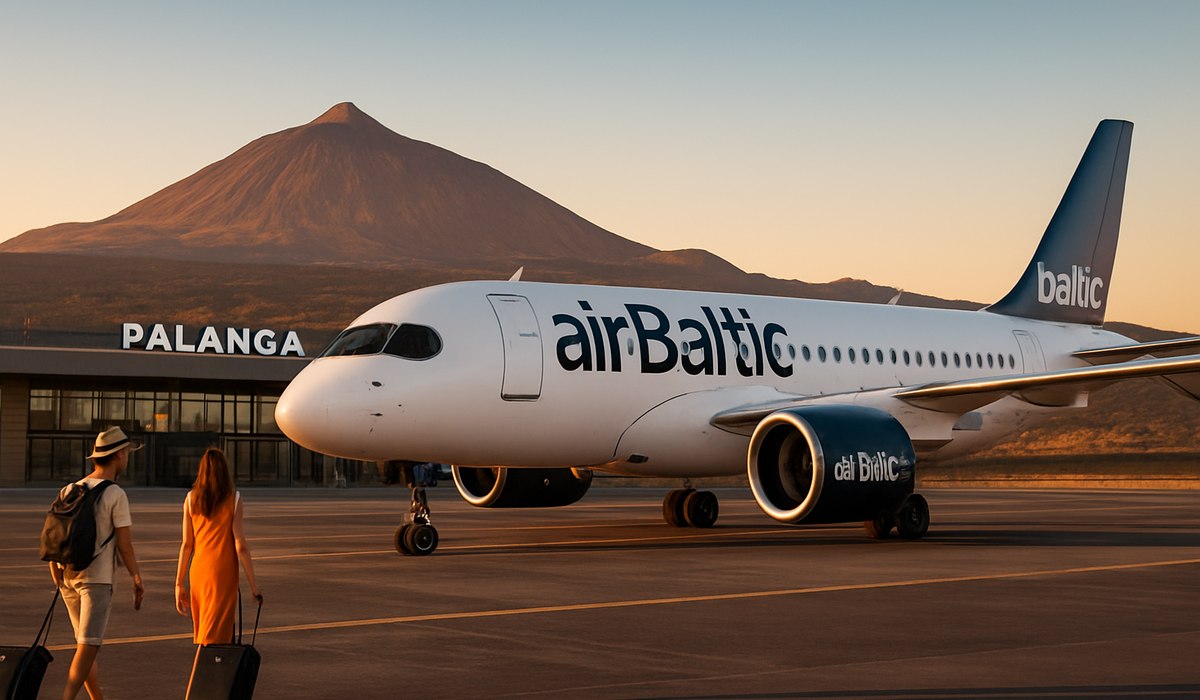
Image generated by AI
**> Quick Summary
- airBaltic launches direct Palanga-Tenerife service October 28, 2026
- First non-stop connection between Baltic region and Canary Islands
- Year-round sunshine at 28°C average temperatures
- Mount Teide volcanic landscapes and diverse beach experiences
- Anticipated seasonal patterns with peak winter travel December-March**
New Direct Gateway to the Canary Islands: airBaltic Transforms Baltic Tourism Access
The travel landscape between the Baltic region and southern Europe is about to expand dramatically. airBaltic has announced the launch of a brand-new direct route from Palanga to Tenerife, commencing October 28, 2026, marking the airline's strategic expansion into Mediterranean leisure tourism. This milestone represents the first non-stop service connecting the Lithuanian airport to the Canary Islands' largest island and primary tourist hub.
For Baltic travelers and regional tourists, this development eliminates connection friction and travel time delays. Palanga International Airport becomes a direct gateway to Tenerife's world-renowned attractions: Mount Teide, pristine beaches, volcanic terrain, and year-round warm weather that contrasts sharply with winter conditions across Northern and Eastern Europe.
Why Tenerife Now? Understanding the Tourism Growth Strategy
Tenerife has experienced consistent tourism growth over the past decade, establishing itself as Europe's most visited island destination. The island welcomes over five million international visitors annually, with particular strength among Northern European markets seeking winter warmth and outdoor adventure.
Several factors make this timing strategically sound for airBaltic:
Climate Appeal: Tenerife enjoys average year-round temperatures between 23°C and 28°C, with winter lows rarely dropping below 15°C. This contrasts dramatically with Baltic winters, where Palanga experiences temperatures between -2°C and 4°C from November through March.
Diverse Tourism Experiences: Unlike purely beach destinations, Tenerife offers volcanic hiking, premium coastal resorts, authentic colonial towns, world-class infrastructure, and Michelin-starred dining—attracting diverse traveler demographics beyond sun-seekers.
East European Market Gap: While Western Europeans have abundant direct connections to Tenerife via carriers like Lufthansa, Ryanair, and Iberia, Baltic and Eastern European markets have historically required connections. Palanga's growing demand for Mediterranean connectivity creates a specific market opportunity.
Underutilized Aircraft Capacity: airBaltic's expansion follows strategic fleet deployment to match off-season demand patterns in core European markets.
The Route Details: Palanga to Tenerife Operations
Launch Date: October 28, 2026 (precisely timed for autumn school holidays and early winter travel)
Aircraft: airBaltic operates Airbus A220 narrowbody jets, offering approximately 145-150 passenger capacity with modern comfort levels and competitive fuel efficiency.
Flight Duration: Approximately 6.5-7 hours direct service time, representing significant time savings compared to routed alternatives requiring connections in major hubs.
Frequency: Initial operations likely begin with 2-3 weekly frequencies, expandingseasonally toward daily service during peak winter months (December-March).
Pricing Strategy: airBaltic's no-frills business model typically delivers 15-25% cost advantages compared to traditional legacy carriers on comparable routes.
Palanga as Strategic Hub
Palanga International Airport has emerged as Lithuania's primary leisure gateway, handling approximately 1.5 million passengers annually. The airport's modern facilities, efficient ground operations, and central Baltic location position it as a viable alternative to larger hubs for regional connectivity.
This route leverages Palanga's existing passenger base while developing the airport's European vacation market appeal. Travelers from Latvia, Estonia, and regional Poland can now consider Palanga a convenient departure point for Mediterranean vacations.
Tenerife's Tourism Economy and New Visitor Potential
Tenerife's economy depends heavily on tourism. The island generates approximately 4.2 billion euros annually from international tourism, employing over 45,000 workers across hospitality, transportation, and leisure sectors. Each new direct connection market typically brings 50,000-100,000 additional annual visitors.
Mount Teide: The Tourism Anchor
Mount Teide, Spain's highest peak at 3,718 meters, dominates Tenerife's tourism landscape. The mountain annually attracts approximately 3 million visitors, making it Spain's most visited natural attraction and the world's most visited volcano.
New connectivity from Baltic markets will particularly benefit Teide National Park through:
- Winter season accessibility — Baltic climates drive high demand for warm-weather alternatives during brutal winters
- Adventure tourism — Non-beach visitors seeking hiking, botanical exploration, and geological education
- Combination tours — Multi-destination packages pairing beach relaxation with mountain experiences
Beach and Coastal Tourism
Tenerife's coastline features distinct beach experiences:
- Puerto de la Cruz — North coast; Atlantic-facing; dramatic volcanic cliffs; adventure sports culture
- Playa de las Américas — South coast; calm Atlantic waters; resort-dense; family-oriented
- Costa del Silencio — Quiet beaches; authentic Spanish villages; less developed coastline
- Tenerife Sur/Los Cristianos — Primary tourism infrastructure; water sports; nightlife districts
Cultural and Culinary Tourism
Beyond natural attractions, Tenerife offers:
- Colonial architecture — Canary Islands cultural heritage in towns like La Orotava
- Wine regions — Canary Islands wine production with tasting experiences
- Gastronomic scene — Mediterranean and Spanish cuisine with fresh seafood focus
- Art and museums — Modern art institutions and archaeological museums
Economic Impact: Regional Benefits for Palanga and Lithuania
The Palanga-Tenerife route generates significant ripple effects across the Baltic tourism ecosystem:
For Palanga: Direct Mediterranean access positions Palanga as a lifestyle hub beyond beach tourism. Winter travelers choosing Palanga as departure point potentially visit local pre-flight experiences, supporting ground transportation, hotels, and dining sectors.
For Lithuania: Baltic countries benefit from improved international connectivity metrics, enhancing Lithuania's competitive positioning for both leisure and business tourism development.
For airBaltic: The carrier gains valuable experience in long-haul leisure routing, positioning the airline for future Mediterranean network expansion.
Frequently Asked Questions
Q: Will this be a seasonal route like many Mediterranean connections? A: Initially, yes. Winter operations (October-March) will likely feature 3-4 weekly frequencies, reducing to 1-2 weekly in summer months. Peak demand aligns with Baltic winter travel patterns.
Q: How much cheaper are airBaltic fares compared to competitors? A: Historically, airBaltic quotes 20-30% below legacy carriers on comparable routes. Expect competitive pricing but not ultra-low-cost fares characteristic of Ryanair or Wizz Air.
Q: What about baggage allowances on this long-haul route? A: Details were not disclosed at launch announcement. Typical airBaltic practice: hand luggage included, checked bags subject to per-item fees unless premium tier purchased.
Q: Will connecting service be available through Riga or Vilnius? A: Potentially, but only if demand justifies. The Palanga-Tenerife direct flight targets leisure tourists, not complex multi-leg routing patterns.
Q: Are accommodations available in Tenerife for budget-conscious travelers? A: Absolutely. Tenerife offers accommodations across all price points—budget hostels (€15-25/night), mid-range hotels (€50-100/night), and luxury resorts (€200+/night). Airbnb and apartment rentals provide additional options.
Q: What is the best time to visit Tenerife from this new route? A: November through March offers peak climate conditions (23-25°C, minimal rain). July-August brings highest temperatures (26-28°C) with occasional tourists from cooler climates. October and April offer shoulder-season advantages: pleasant weather with smaller crowds.
Q: How do I book the new Palanga-Tenerife service? A: Starting October, flights will appear in all major booking systems (Skyscanner, Kiwi, Booking.com). Direct booking via airbaltic.com often offers the lowest fares.
Travel Planning for Baltic Visitors to Tenerife
Pre-Trip Essentials:
- Valid passport (6+ months validity recommended)
- EU citizens: No visa required
- Travel insurance recommended but not mandatory
- Currency: Euro (EUR) — ATMs widely available
Getting Around Tenerife:
- Rental cars ideal for independent exploration
- Bus networks connect tourist hubs
- Taxis available but negotiate rates beforehand
- Uber/Bolt operational in major towns
Best Neighborhood Bases:
- Puerto de la Cruz: Authentic atmosphere, adventure access
- Playa de las Américas: Resort convenience, nightlife
- Costa del Silencio: Quiet relaxation, local experience
- La Laguna: Cultural immersion, university town energy
Looking Forward: airBaltic's Mediterranean Expansion
The Palanga-Tenerife launch signals airBaltic's strategic pivot toward European leisure markets. The airline has previously expanded seasonal service to Mediterranean destinations, but this marks a committed year-round investment in Baltic-Canary Islands connectivity.
Future route possibilities may include:
- Direct service from Riga (RIX) to Tenerife
- Palanga connections to Ibiza, Mallorca, or other Balearic Islands
- Winter seasonal service to Greek islands
- Canary Island inter-island connectors via Palanga hub
For Baltic travelers, this development represents tangible improvement in vacation accessibility. The October 28, 2026 launch opens a new chapter in affordable, convenient Mediterranean travel from the Baltic region.
Meta Title: airBaltic Palanga Tenerife Route October 2026 Direct Flight Meta Description: airBaltic launches direct Palanga-Tenerife service October 28, 2026. Mount Teide, year-round sunshine, and island exploration from Baltic gateway. URL Slug: airbaltic-palanga-tenerife-october-2026
Internal Link Suggestions:
- Canary Islands travel guide
- European airline news and routes
- Winter vacation destinations from Europe
External Sources:
Disclaimer
This article is for informational and educational purposes only. It does not constitute legal, financial, or professional advice. While we strive to provide accurate and up-to-date information, travel policies, regulations, and conditions change rapidly. Always verify information with official sources before making travel decisions. Nomad Lawyer makes no representations about the accuracy, reliability, completeness, or suitability of the information provided. Readers should consult qualified professionals for advice specific to their circumstances. The views expressed in this article are those of the author and do not necessarily reflect the views of Nomad Lawyer.
Raushan Kumar
Founder & Lead Developer
Full-stack developer with 11+ years of experience and a passionate traveller. Raushan built Nomad Lawyer from the ground up with a vision to create the best travel and law experience on the web.
Learn more about our team →