
Delta's Strategic Gambit: Deploying Widebody Aircraft on U.S. Domestic Routes
Breaking airline news and aviation industry updates for 2026.

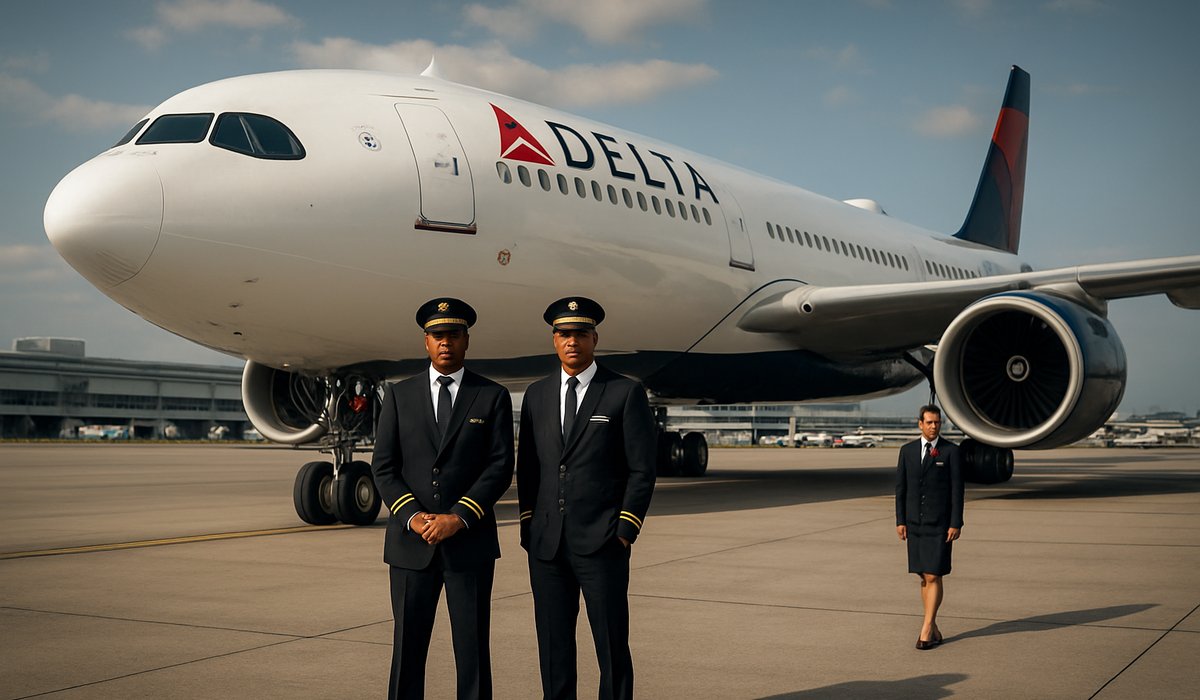
Image generated by AI
Delta's Strategic Gambit: Deploying Widebody Aircraft on U.S. Domestic Routes
As airlines optimize fleet utilization amid evolving travel demand, Delta Air Lines charts an unconventional course with its Airbus A330-900neo on select domestic services
A Departure from Industry Norms
Delta Air Lines is bucking industry convention by deploying its wide-body Airbus A330-900neo aircraft on domestic U.S. routes—a strategic move that distinguishes the carrier from competitors American Airlines and United Airlines, which predominantly reserve their larger twin-aisle fleets for international operations.
The Atlanta-based carrier, a cornerstone of the SkyTeam alliance, operates a more diversified widebody portfolio than its rivals. While Delta maintains Boeing's 767-300ER and 767-400ER variants for extended-range flights, the carrier has increasingly integrated Airbus's A330neo and A350 families into long-haul operations. However, the A330-900neo's deployment on domestic services reveals Delta's pragmatic approach to fleet optimization and capacity management.
Strategic Fleet Utilization
The A330-900neo, traditionally engineered for transcontinental and international routes, represents a departure from conventional widebody deployment patterns. This configuration suggests Delta is addressing capacity constraints on high-demand domestic corridors while simultaneously managing aircraft utilization rates—a critical metric affecting airline profitability and operational efficiency.
The widebody aircraft's larger cabin provides Delta with flexibility to accommodate peak-season domestic demand without relying exclusively on narrow-body aircraft like the Boeing 737 and Airbus A320. This approach also allows the carrier to evaluate passenger preferences and market dynamics on premium domestic routes where additional premium cabin capacity could enhance revenue.
Broader Industry Context
The aviation sector continues navigating post-pandemic demand volatility and volatile jet fuel prices, which have pressured airline margins. By strategically positioning widebody aircraft on domestic services, Delta optimizes asset deployment while responding to shifting travel patterns and seasonal fluctuations.
American Airlines and United, meanwhile, maintain more rigid widebody deployment strategies focused primarily on international and cross-border operations. Delta's flexible approach suggests confidence in domestic premium travel demand and willingness to experiment with unconventional fleet assignments.
Market Implications
This operational decision underscores the competitive pressures reshaping U.S. aviation. Carriers are increasingly evaluating how to maximize revenue per available seat mile (RASM) while managing rising operational costs. The deployment of high-capacity widebodies on domestic routes—historically the domain of single-aisle aircraft—indicates Delta's conviction that certain domestic markets justify premium capacity and service offerings.
FAQ: Delta's Widebody Domestic Operations
1. Why is Delta using wide-body aircraft on domestic routes when competitors avoid it? Delta's A330-900neo deployment addresses capacity demand on high-volume domestic corridors while optimizing fleet utilization, distinguishing its strategy from American and United's more conservative approaches.
2. How does this affect baggage charges and airline fees for passengers? Wider cabins may influence pricing strategies, potentially offering more premium seating options that could impact overall ticket and baggage fee structures on select routes.
3. What routes does Delta operate A330-900neo aircraft domestically? Delta strategically deploys these aircraft on select high-demand domestic corridors, though specific route assignments vary seasonally based on demand patterns.
4. How do jet fuel prices influence airline deployment decisions? Rising jet fuel costs pressure carriers to optimize fuel efficiency and seat utilization, making capacity-rich aircraft more attractive on profitable domestic routes.
5. What does this mean for the future of the aviation industry? This trend signals increasing flexibility in fleet deployment as carriers respond to evolving travel demand, technological improvements, and revenue optimization opportunities across all market segments.
Related Travel Guides
Disclaimer
This article is for informational and educational purposes only. It does not constitute legal, financial, or professional advice. While we strive to provide accurate and up-to-date information, travel policies, regulations, and conditions change rapidly. Always verify information with official sources before making travel decisions. Nomad Lawyer makes no representations about the accuracy, reliability, completeness, or suitability of the information provided. Readers should consult qualified professionals for advice specific to their circumstances. The views expressed in this article are those of the author and do not necessarily reflect the views of Nomad Lawyer.
Kunal K Choudhary
Co-Founder & Contributor
A passionate traveller and tech enthusiast. Kunal contributes to the vision and growth of Nomad Lawyer, bringing fresh perspectives and driving the community forward.
Learn more about our team →