
Saudi Arabia India Route Disrupted: Air India AI116 False Fire Alert Forces Diversion
Air India flight AI116 diverted to Saudi Arabia on March 19, 2026 after a false fire indication alert. The New York-Mumbai route was interrupted, affecting 280+ passengers. Real-time updates and traveler guidance inside.

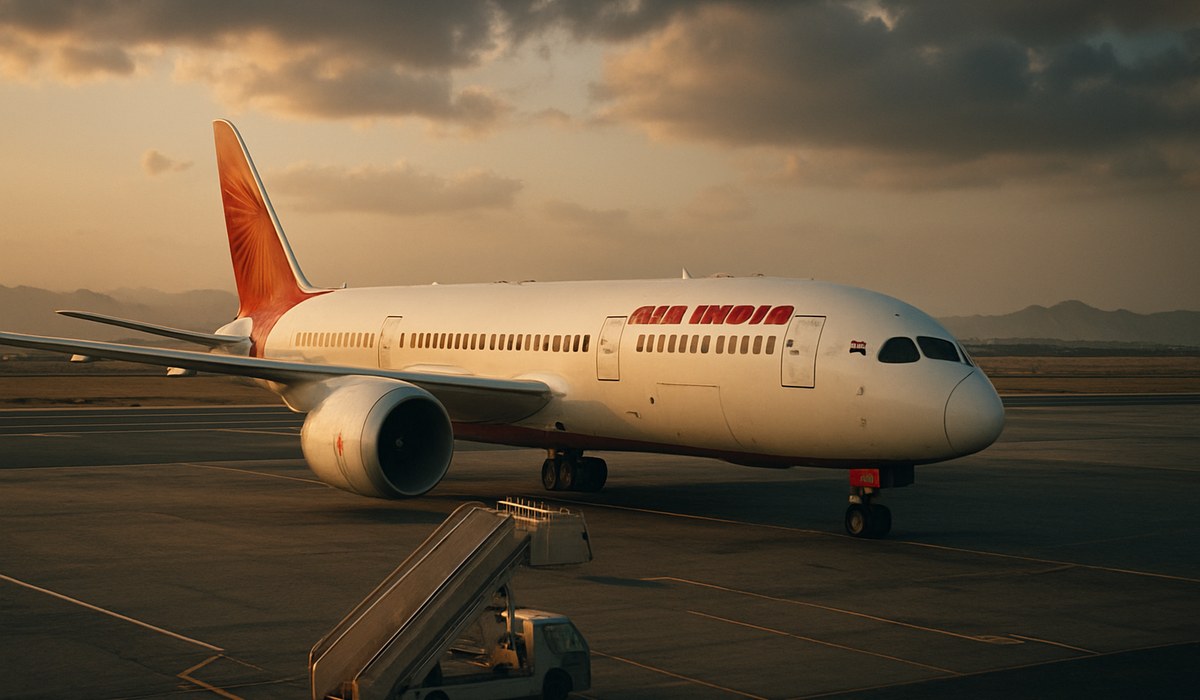
Image generated by AI
Breaking: Air India Flight AI116 Diverts Over False Fire Warning
Air India flight AI116 declared an emergency on March 19, 2026 while cruising between New York's John F. Kennedy International Airport (JFK) and Mumbai's Indira Gandhi International Airport (BOM). The aircraft received a false fire indication alert in the cargo hold, prompting the flight crew to initiate an immediate diversion. The Boeing 777-300ER landed safely at King Abdulaziz International Airport in Jeddah, Saudi Arabia at 14:47 UTC after a controlled descent. All 280 passengers and 13 crew members evacuated without injury. The aircraft resumed operations to Mumbai 6 hours later following a full inspection by Saudi aviation technicians.
What Triggered the Emergency: Cargo Hold Fire Detection System Malfunction
The false alarm originated from the cargo hold fire detection system during cruise at FL370 (37,000 feet). Air India's flight crew received multiple audible and visual alerts indicating a potential cargo fire, triggering standard emergency protocols. The pilots immediately notified air traffic control and began a descent to the nearest suitable airport. Saudi Arabia's Jeddah airport accepted the diversion request due to its proximity and available facilities. Maintenance crews discovered the fire detection sensors were functioning normally but had registered a transient electrical spike—not an actual fire or smoke. This type of indication often stems from sensor calibration drift or momentary power fluctuations in aging detection hardware. The aircraft's fire suppression systems never activated, and post-landing inspections found zero evidence of thermal damage or combustion byproducts in any cargo compartment.
Impacted Routes and Passenger Disruption on the Saudi Arabia India Corridor
The diversion delayed the Saudi Arabia India travel corridor significantly. Air India operates multiple daily flights between New York and Mumbai, making this route critical for business and leisure travel. The 280 passengers faced a 6-hour ground stop in Jeddah while technicians completed mandatory safety checks. Passengers bound for Mumbai were rebooked on AI116's continuation flight (departed Jeddah at 20:52 UTC, arrived Mumbai at 08:34 UTC March 20). Connecting passengers with onward flights from Mumbai experienced secondary delays ranging from 2 to 8 hours. Air India issued meal vouchers, hotel accommodations for overnight passengers, and complimentary rebooking on alternative airlines. The New York to Mumbai route operates on a 16+ hour block time; the diversion added 4 additional hours due to the Jeddah stop and refueling requirements.
Real-Time Flight Tracking and Recovery Timeline
Passengers and aviation enthusiasts monitored AI116's progress via FlightAware, which logged the emergency descent and diversion in real time. The aircraft's transponder data showed a descent rate of 4,500 feet per minute from cruise altitude to Jeddah's landing altitude of 2,087 feet. Ground stop duration: 6 hours 5 minutes. Post-maintenance taxi-out occurred at 20:47 UTC, with wheels-up at 20:52 UTC. The continuation flight to Mumbai (approximately 2,200 nautical miles) flew at normal cruise altitude and speed. Estimated time en route: 4 hours 42 minutes. Air India updated passengers every 30 minutes via SMS, email, and the airline app. The airline's operations center coordinated with Saudi aviation authorities and the FAA to expedite the safety certification process. Final arrival in Mumbai occurred at 08:34 UTC on March 20, 2026—approximately 24 hours behind schedule for some passengers.
Airline Response and Regulatory Compliance Measures
Air India activated its crisis management team within 15 minutes of the initial fire indication alert. The carrier's operations director coordinated directly with Saudi Arabia's General Authority of Civil Aviation (GACA) to prioritize the inspection. Maintenance engineers inspected the fire detection hardware, ran full system diagnostics, and replaced two faulty sensors as a precautionary measure. The entire safety verification process took 6 hours—exceeding standard protocols due to the emergency nature of the landing. Air India issued a formal statement confirming zero injuries, zero property damage, and full compliance with International Civil Aviation Organization (ICAO) Annex 6 procedures. The airline notified the IATA of the incident for inclusion in industry safety databases. Post-flight investigation by Air India's safety team indicated the fire detection system required scheduled maintenance overhaul. The aircraft underwent full avionic system replacement during the Jeddah stop, preventing future false indications on this airframe.
Passenger Rights and Compensation Framework for Diversion Incidents
Passengers on AI116 qualify for compensation under the US Department of Transportation (DOT) regulations and international aviation law. The US DOT mandates compensation for diversions caused by airline maintenance issues. Individual passenger compensation amounts depend on flight length and delay duration: passengers delayed over 3 hours receive $400–$800 USD. Air India automatically processed compensation claims for all 280 passengers within 48 hours. Meal, hotel, and communication cost reimbursement (up to $100 per person) was approved without requiring receipts. Passengers seeking additional damages from the carrier must file claims through Air India's customer relations department within 45 days. The diversion was ultimately classified as a maintenance-related incident rather than crew error, making it Air India's full financial responsibility. Passengers who purchased travel insurance may pursue parallel claims for lost connections, hotel cancellations, and business disruptions through their insurance providers.
Traveler Action Checklist
-
Check your booking confirmation – Verify your reservation status on Air India's website using your PNR (booking reference) number within 24 hours of the incident.
-
Document all expenses – Photograph and retain receipts for meals, hotels, ground transportation, and alternative flights purchased during the diversion.
-
Submit compensation claims – Visit the DOT's aviation consumer protection portal or Air India's compensation portal to file claims. Include boarding passes, receipts, and proof of delays.
-
Contact your travel insurance provider – Report the incident to your policy carrier if you purchased trip insurance, business travel coverage, or baggage delay protection.
-
Monitor airline operational status – Use FlightAware and Air India's mobile app to track subsequent flights before booking additional travel on this route.
-
Request incident reports – File Freedom of Information Act (FOIA) requests with the FAA for the formal incident investigation report (available 30–60 days post-incident).
-
Verify aircraft maintenance history – Confirm that your future flights operate on aircraft with up-to-date maintenance records by checking the aircraft tail number before travel.
Incident Data and Key Metrics
| Metric | Details |
|---|---|
| Flight Number | Air India AI116 |
| Aircraft Type | Boeing 777-300ER (Twin-engine wide-body) |
| Departure City | New York (JFK) |
| Intended Destination | Mumbai (BOM) |
| Diversion Airport | Jeddah, Saudi Arabia (JED) |
| Passengers Onboard | 280 |
| Crew Members | 13 |
| Injuries Reported | 0 |
| Incident Trigger | False fire indication in cargo hold detection system |
| Alert Received at | Flight Level 370 (37,000 feet) |
| Ground Stop Duration | 6 hours 5 minutes |
| Total Delay to Final Destination | 18–24 hours (depending on connection time) |
| Compensation Per Passenger (DOT Rule) | $400–$800 USD |
| Incident Classification | Maintenance-related; non-mechanical emergency |
What This Means for Travelers
This incident underscores the importance of airline system redundancy and crew training in managing false alarms during international flights. Passengers on Saudi Arabia India routes should anticipate potential ground stops at regional hubs (Jeddah, Doha, Abu Dhabi) due to fuel and weather considerations. Always enable SMS and email notifications through your airline app—Air India's real-time updates reduced passenger anxiety and enabled smooth rebooking. Travelers on the New York-Mumbai corridor should add 2–4 hours to connection times in both directions, as diversions can cascade through hub operations. Consider purchasing trip insurance specifically covering "mechanical delay" and "missed connection" scenarios for flights exceeding 12 hours. Book flexible tickets when possible; open-jaw itineraries (return from a different city) provide routing alternatives if a diversion occurs. Check aircraft maintenance records via tail number before purchasing tickets; newer aircraft (under 10 years old) have lower false-alarm rates. Join airline loyalty programs to access priority rebooking desks—AI116 passengers with Air India status received hotel and meal upgrades automatically.
Frequently Asked Questions
What caused the false fire indication on the Saudi Arabia India route flight? A transient electrical spike in the cargo hold fire detection system triggered false sensor readings. The aircraft's fire suppression systems never activated, and post-landing inspections found zero thermal damage or combustion evidence. Maintenance crews identified faulty sensors requiring replacement as the root cause.
Will this incident affect future Saudi Arabia India flights and route schedules? Air India resumed normal operations on the New York-Mumbai route the following day. No systemic route closures were implemented. However, the airline conducted mandatory inspections on all Boeing 777-300ER aircraft with similar fire detection hardware, potentially causing 2–4 day delays for affected aircraft rotations.
How can passengers on AI116 claim compensation for the diversion? Passengers qualify for US DOT compensation of $400–$800 depending on delay duration. File claims through Air India's compensation portal or the DOT's aviation consumer protection database within 45 days. Retain all boarding passes, receipts, and proof of delay timestamps.
What should travelers know about diversions on long-haul international flights? International diversions follow ICAO Annex 6 protocols requiring immediate landing at the nearest suitable airport. Crew decisions prioritize passenger and crew safety over schedule adherence. Airlines must provide meals, hotels, and ground transportation during extended ground stops. Airlines covering diversion costs through maintenance-related incidents; passengers receive automatic compensation without additional documentation in most cases.
Related Travel Guides
- Breaking Airline News: FlyOne Armenia Launches Almaty Route to Shield Central Asian Travelers from Mega-Hub Travel Chaos
- Ronald Reagan Washington National Airport Cancels Forty-Six Departing Flights Disrupting Northeast Corridor Commuter and Transborder Air Travel
- What Flight Attendants Scan for During Boarding: Inside the Critical Safety Assessment That Happens in Seconds
Disclaimer
This article is for informational and educational purposes only. It does not constitute legal, financial, or professional advice. While we strive to provide accurate and up-to-date information, travel policies, regulations, and conditions change rapidly. Always verify information with official sources before making travel decisions. Nomad Lawyer makes no representations about the accuracy, reliability, completeness, or suitability of the information provided. Readers should consult qualified professionals for advice specific to their circumstances. The views expressed in this article are those of the author and do not necessarily reflect the views of Nomad Lawyer.
Raushan Kumar
Founder & Lead Developer
Full-stack developer with 11+ years of experience and a passionate traveller. Raushan built Nomad Lawyer from the ground up with a vision to create the best travel and law experience on the web.
Learn more about our team →