
Air China Resumes Beijing–Pyongyang Flights After 6 Years: What This Means for China, Russia & Asian Travel Demand
Air China restores Beijing-Pyongyang service after six-year hiatus, signaling major shift in Northeast Asian travel connectivity and geopolitical relations.

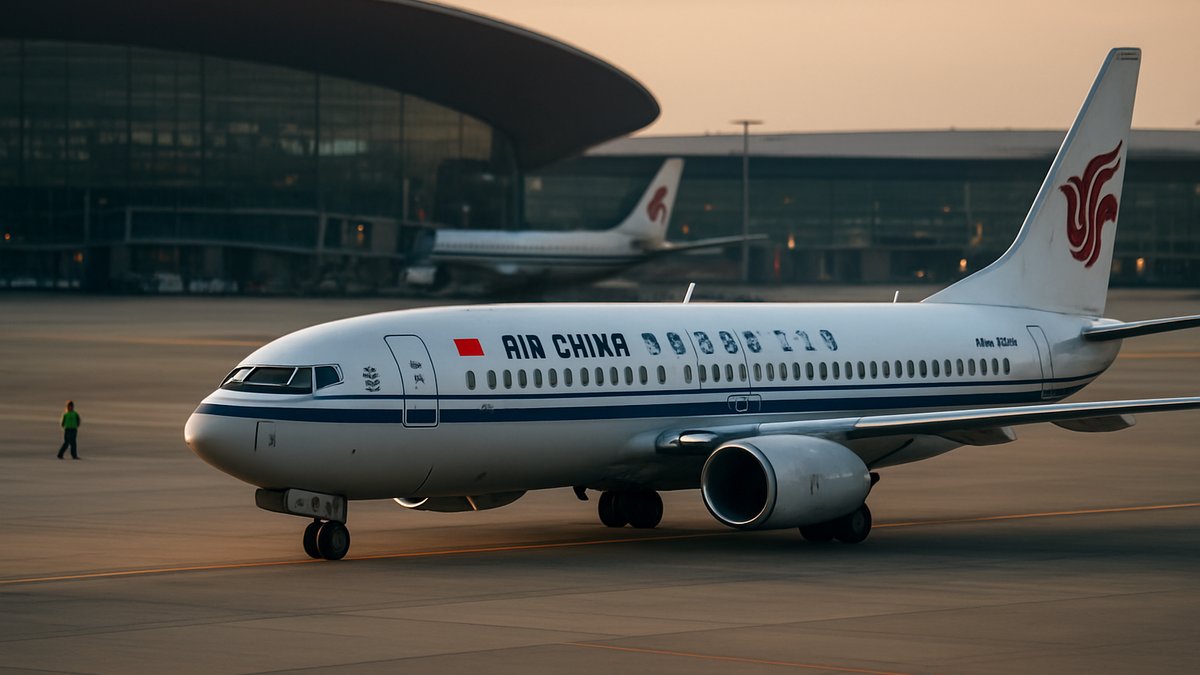
Image generated by AI
Air China has officially resumed direct flight service between Beijing Capital International Airport and Pyongyang International Airport, marking a significant reopening of one of Asia's most strategically important yet historically volatile air corridors after a six-year suspension. The restoration of this critical Beijing-Pyongyang route represents a watershed moment for Northeast Asian aviation connectivity, with profound implications for Chinese tourism, Russian-Asian travel demand, and the broader geopolitical landscape of the region. This development comes amid shifting diplomatic relations and renewed economic engagement between China and North Korea, signaling that international air travel to Pyongyang is once again becoming a viable option for select business travelers, diplomatic personnel, and approved tourists navigating one of the world's most restricted travel destinations.
The resumption of Beijing-Pyongyang flights had been suspended since 2020, when the combination of international sanctions, COVID-19 pandemic restrictions, and heightened geopolitical tensions effectively froze commercial aviation between the two capitals. Air China, China's flagship carrier and the primary airline serving routes from Beijing Capital International Airport to destinations across Asia, had maintained skeleton operations on select routes throughout the pandemic but completely halted Pyongyang service due to the compounding crises. Now, with the airline announcing a phased return to regular scheduling, travelers departing from Beijing will once again have direct access to North Korea's capital, though with significant restrictions on passenger eligibility and booking procedures that reflect the ongoing complexity of travel to this isolated nation.
The restoration of this Beijing-Pyongyang air corridor carries substantial implications for China's broader travel and tourism strategy across Northeast Asia. Chinese business travelers, government officials, and approved tour groups will benefit from restored connectivity, while the move also signals Beijing's commitment to maintaining economic and diplomatic ties with Pyongyang despite international pressure. For Russia, the reopening of Beijing-Pyongyang flights creates potential indirect benefits, as Russian citizens traveling through Beijing can now access North Korea more easily, and the route may facilitate increased trilateral economic cooperation among China, Russia, and North Korea. The broader Asian travel demand landscape stands to shift as well, with regional carriers monitoring whether other nations will follow Air China's lead in restoring suspended routes to Pyongyang, potentially creating a cascade effect across the region's aviation networks.
Operationally, Air China has announced that the Beijing-Pyongyang route will operate with limited frequency, initially scheduled for twice-weekly service using narrow-body aircraft suitable for the relatively short distance between the two capitals. The airline has implemented stringent passenger vetting procedures in coordination with Chinese and North Korean authorities, meaning that not all travelers will be eligible to book seats on these flights. Business travelers with legitimate commercial purposes, diplomatic personnel, and tourists approved through official channels represent the primary passenger base, while independent tourism remains heavily restricted. Flight delays and operational disruptions on this route remain a possibility given the limited infrastructure at Pyongyang International Airport and the complex regulatory environment governing cross-border air travel in this region, so travelers should expect longer processing times and more rigorous documentation requirements than on standard Beijing-to-Asia routes.
The geopolitical significance of Air China's decision to resume Beijing-Pyongyang flights cannot be overstated, as it reflects a deliberate policy choice by Chinese leadership to strengthen ties with North Korea at a moment of heightened global tension. According to statements from Air China's Beijing headquarters, the airline views the route restoration as part of a broader commitment to maintaining connectivity across Asia and supporting China's diplomatic objectives in the region. International aviation authorities, including those monitoring compliance with IATA regulations on restricted destinations, have noted the development with interest, though the route remains subject to ongoing international scrutiny. For travelers planning trips to Beijing or considering onward connections to Pyongyang, it is essential to verify current travel advisories and booking eligibility directly with Air China or through authorized travel agencies, as passenger restrictions and documentation requirements may change rapidly based on geopolitical developments.
Travelers should be aware that booking flights on the Beijing-Pyongyang route requires advance approval and coordination with official channels, and cancellations or schedule changes may occur with minimal notice due to the political sensitivity of the route. Those planning travel to Beijing Capital International Airport with intentions to connect onward to Pyongyang should allow substantial buffer time for security processing and documentation verification, as these procedures are significantly more rigorous than standard international flight operations. Consulting with the U.S. State Department's travel advisory system and your home country's foreign ministry before planning any travel to North Korea is strongly recommended, as restrictions and conditions change frequently and vary significantly based on nationality and purpose of travel.
Related Travel Guides
- UK Summer Travel Crisis 2026: Jet Fuel Surge and EU Border System Collide at Manchester, Birmingham Airports
- American Airlines Offers Passengers $1,200 to Voluntarily Deplane Over Weight Restrictions
- Bypassing European Travel Chaos: Edelweiss Airline Launches Direct Flights From Glasgow to Zürich to Shield Tourists From Airport Disruptions and Flight Cancellations
Disclaimer
This article is for informational and educational purposes only. It does not constitute legal, financial, or professional advice. While we strive to provide accurate and up-to-date information, travel policies, regulations, and conditions change rapidly. Always verify information with official sources before making travel decisions. Nomad Lawyer makes no representations about the accuracy, reliability, completeness, or suitability of the information provided. Readers should consult qualified professionals for advice specific to their circumstances. The views expressed in this article are those of the author and do not necessarily reflect the views of Nomad Lawyer.
Raushan Kumar
Founder & Lead Developer
Full-stack developer with 11+ years of experience and a passionate traveller. Raushan built Nomad Lawyer from the ground up with a vision to create the best travel and law experience on the web.
Learn more about our team →