
Air France Claims Top Spot in World's Top 50 Airlines 2026: Overtakes Saudia, British Airways, Korean Air, All Nippon and Aeroflot as TTW Editorial Team and 25 Million Readers Crown Paris Hub the Global Aviation Standard
Air France has been ranked the world's number one airline for 2026 by Travel And Tour World's editorial team and 25 million readers, overtaking Saudia, British Airways, Korean Air, All Nippon Airways, and Aeroflot by excelling in on-time performance, premium cabin innovation, digital operations, and consistent passenger experience at scale.

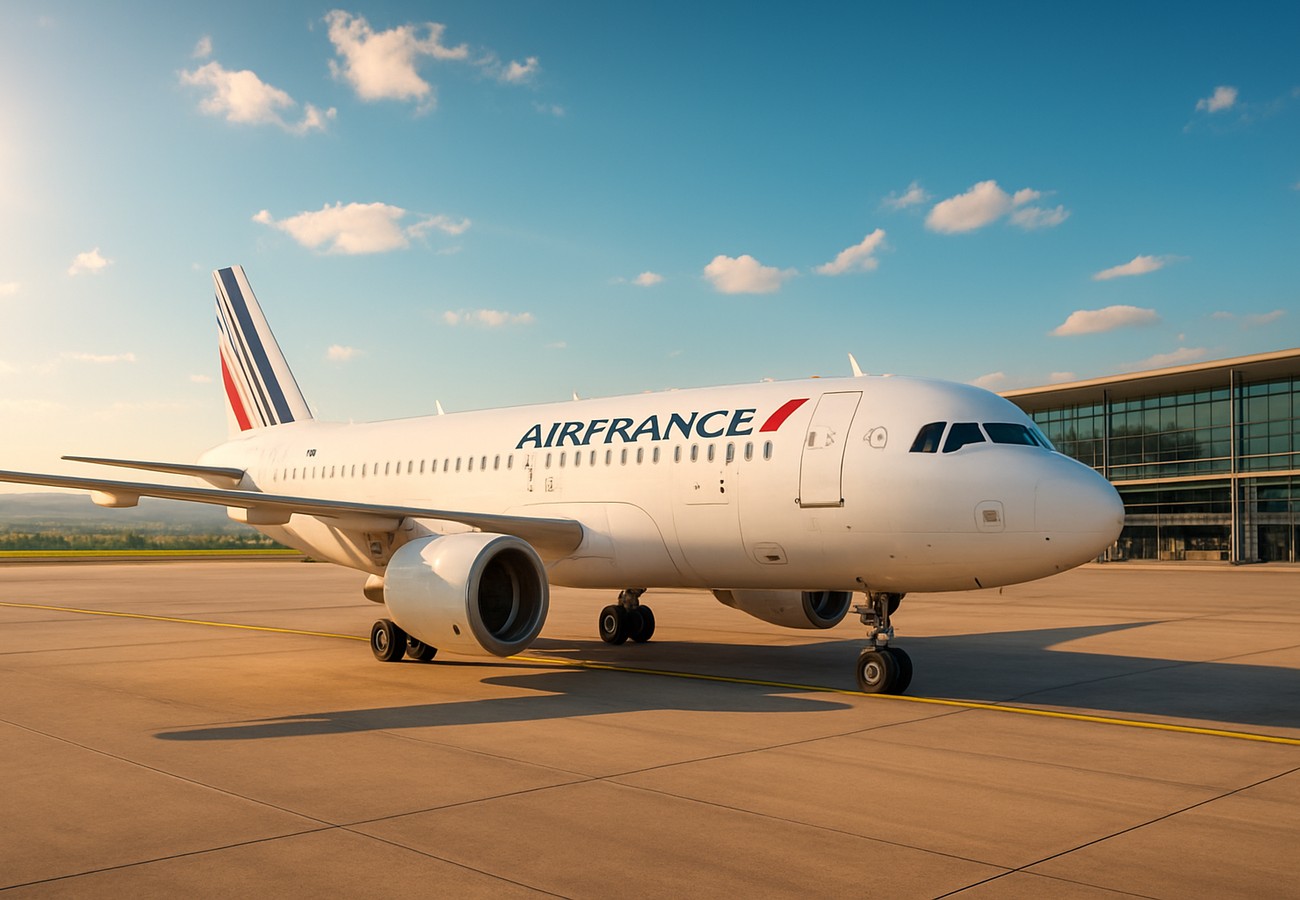
Image generated by AI
Air France Claims Top Spot in World's Top 50 Airlines 2026: Overtakes Saudia, British Airways, Korean Air, All Nippon and Aeroflot as TTW Editorial Team and 25 Million Readers Crown Paris Hub the Global Aviation Standard
The Race for Global Aviation Supremacy Has a Clear Winner — and It's Flying Out of Paris Charles de Gaulle
PARIS, France — When the Travel And Tour World editorial team and 25 million readers cast their collective verdict on the state of global aviation in 2026, one airline stood apart from the field. Air France has been named the world's number one airline in TTW's definitive Top 50 Airlines of the World ranking for 2026 — surpassing long-established rivals including Saudia, British Airways, Korean Air, All Nippon Airways (ANA), and Aeroflot to claim the top position in a fiercely competitive field. The verdict was not close. In a year defined by premium cabin innovation, digital transformation, and the relentless pressure of surging global passenger demand — which has exceeded 4.7 billion passengers with industry revenues approaching USD 964 billion — Air France emerged as the airline that has done everything right, simultaneously and at scale.
"Air France taking the top spot honestly feels like the result of doing everything right, consistently and at scale," says TTW Founder and Editor in Chief Mr. Anup Kumar Keshan. "This ranking looks at what truly matters today — on-time performance, smooth operations, strong digital systems, network reach, and overall passenger experience. What really stands out is how Air France has managed to bring all of this together into one seamless journey, from booking to landing."
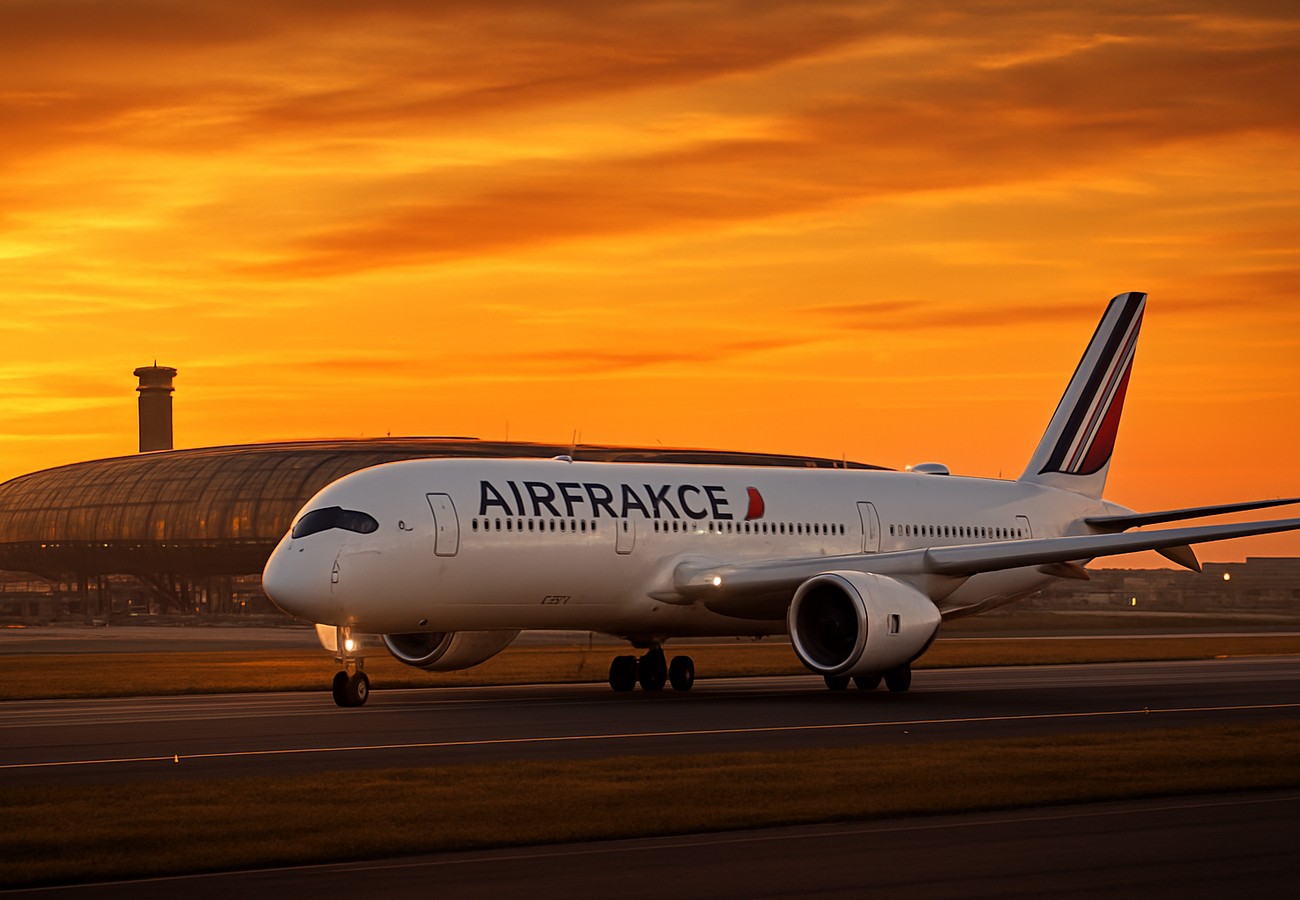 Air France's Paris Charles de Gaulle hub is the operational nerve centre of its global network.
Air France: The Integrated Powerhouse Redefining the Global Aviation Standard
What separates Air France from its rivals is not one exceptional quality but the seamless integration of every critical aviation success factor into a single, cohesive operational model. Its Paris Charles de Gaulle hub sits at the centre of a vast multi-continent network, enabling smooth transit flows between Europe, the Americas, Asia, and Africa — a geographic positioning that few airlines can match in terms of both reach and routing efficiency.
The numbers tell a compelling story. Load factors consistently stabilise above 80%, reflecting tight operational discipline and demand management. Premium cabins — business class and premium economy — are driving a significant share of revenue, consistent with an industry-wide trend where these segments contribute up to 38% of airline income. Fleet modernisation is ongoing, with AI-driven systems optimising route planning, aircraft utilisation, and passenger handling.
| Category | Details |
|---|---|
| Hub | Paris Charles de Gaulle |
| Scale | Extensive widebody fleet, global operations |
| Connectivity | Multi-continent coverage, strong Europe links |
| Smart Systems | AI-driven operations and digital integration |
| Boarding | Structured multi-zone efficiency |
| Premium Edge | Strong premium cabins driving revenue growth |
Saudia: The Rapid Ascent of a Regional Giant Going Global
Saudia's entry into the Top 50 reflects the dramatic reshaping of global aviation's centre of gravity. No longer a regional carrier defined by pilgrimage route capacity, the Jeddah-based airline is evolving into a formidable international force, aligning its fleet expansion strategy with a global aviation landscape where over 2,100 new aircraft are entering service worldwide by 2027.
Its King Abdulaziz International Airport hub connects Asia, Europe, and Africa across an expanding long-haul network. The airline is investing aggressively in premium cabin upgrades and digital transformation, prioritising high-yield passengers on intercontinental routes. Saudia's trajectory signals that the next decade of global aviation will be shaped significantly by Gulf-based carriers challenging legacy European and Asian incumbents.
| Category | Details |
|---|---|
| Hub | King Abdulaziz International Airport, Jeddah |
| Scale | Expanding long-haul fleet |
| Connectivity | Strong intercontinental links |
| Smart Systems | Growing digital and AI adoption |
| Premium Edge | Expanding premium offerings |
British Airways: Legacy Network Dominance Meets Premium Revenue Strategy
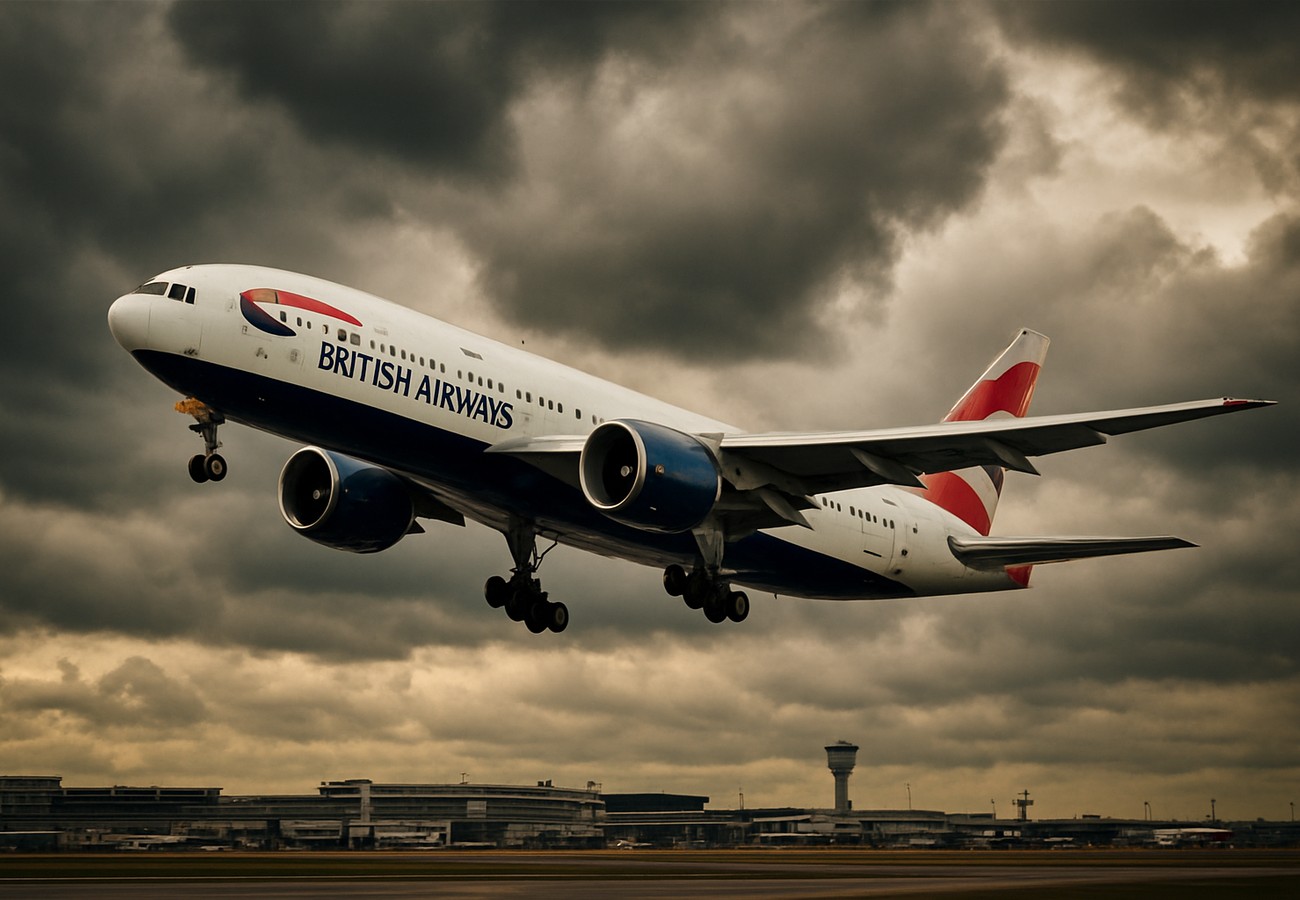 British Airways remains the anchor of transatlantic aviation from its London Heathrow fortress hub.
British Airways' enduring position in the Top 50 rests on a foundation that newer carriers find almost impossible to replicate: network dominance built over decades. Its London Heathrow hub anchors the transatlantic corridor — the world's most commercially valuable aviation route system — giving BA consistent access to the highest-yielding corporate and premium leisure markets.
The airline's strategy is unapologetically premium-focused. Business class and first-class revenue streams remain central pillars of its financial model, aligning with the broader industry shift toward high-yield travel segments. Advanced digital infrastructure enhances operational reliability, while continuous fleet renewal ensures competitive in-flight product standards are maintained.
| Category | Details |
|---|---|
| Hub | London Heathrow |
| Scale | Large mixed fleet |
| Connectivity | Strong global and transatlantic network |
| Boarding | Structured premium-first boarding |
| Premium Edge | Strong business and first-class focus |
Korean Air: Efficiency-Led Asia-Pacific Leadership
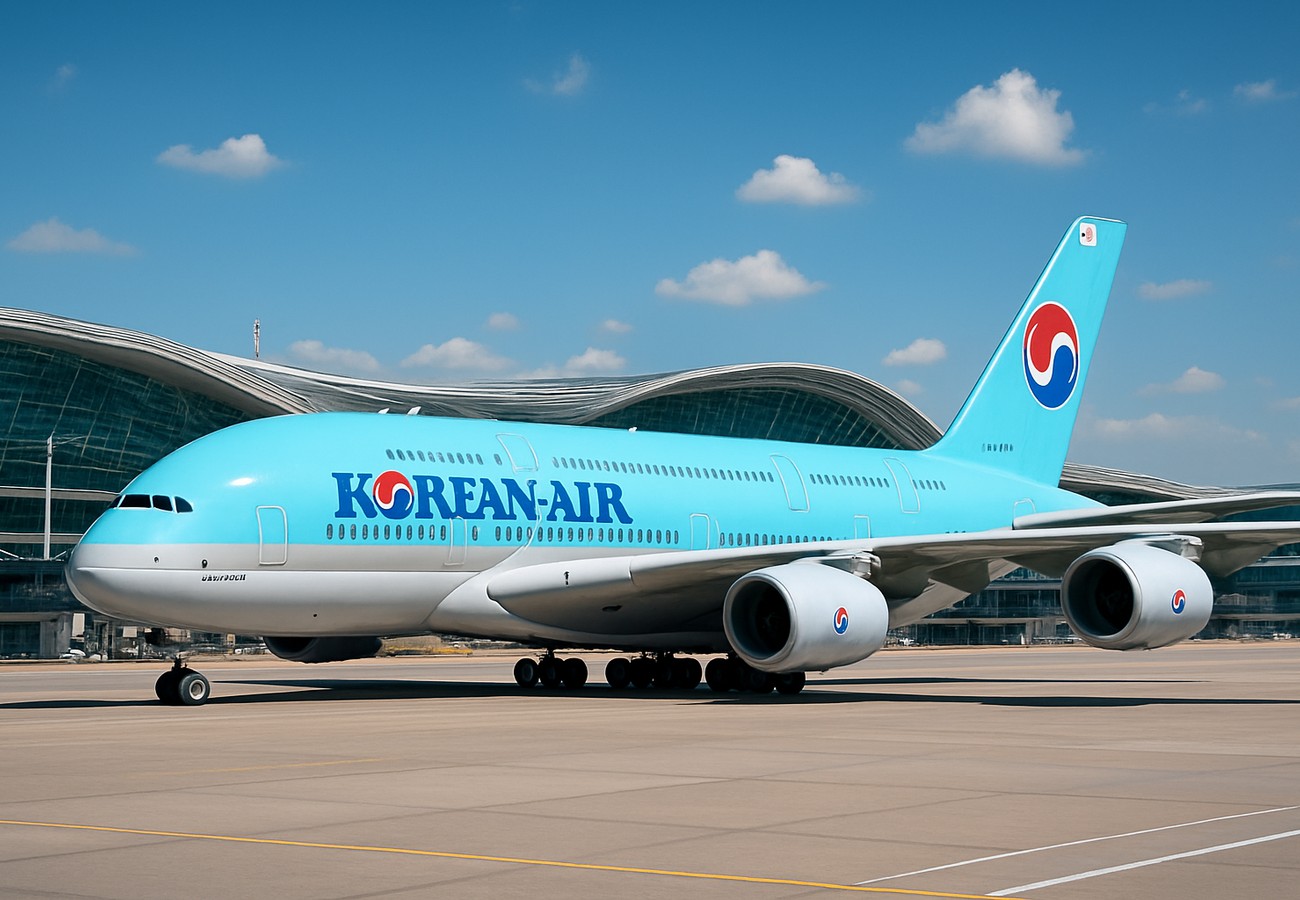 Korean Air's Incheon hub positions it at the heart of Asia-Pacific's surging global connectivity.
Korean Air's Top 50 ranking is a product of operational efficiency executed at consistently high levels. Its Incheon International Airport hub is among the most logistically capable in the world, supporting high-capacity movements across Asia-US-Europe corridors with minimal disruption. The airline's fleet modernisation programme has produced measurable improvements in fuel efficiency and scheduling reliability.
As global aviation growth continues to pivot decisively toward the Asia-Pacific corridor, Korean Air is well-positioned to capitalise. Premium cabin products attract the growing business travel segment from South Korea's export-driven corporate economy, while load factor discipline ensures that capacity is deployed where margin potential is highest.
| Category | Details |
|---|---|
| Hub | Incheon International Airport |
| Scale | Modern widebody fleet |
| Connectivity | Asia–US–Europe routes |
| Smart Systems | Efficient digital operations |
| Premium Edge | Competitive premium cabins |
All Nippon Airways: Precision Engineering Meets Passenger Excellence
All Nippon Airways' reputation in the Top 50 is built on something that cannot be easily replicated: a culture of operational precision that permeates every element of the passenger experience. ANA's Tokyo Haneda hub connects major global markets with a consistency that regularly draws comparison to Swiss watchmaking — reliable, refined, and meticulously maintained.
The airline integrates AI-driven systems and digital operations seamlessly into its passenger handling infrastructure. Premium cabin standards set a benchmark for comfort quality in the Asia-Pacific region. The result is an airline whose core differentiator is not dramatic innovation but the relentless execution of excellence across every single customer touchpoint, every single day.
| Category | Details |
|---|---|
| Hub | Tokyo Haneda |
| Scale | High-quality global fleet |
| Connectivity | Asia to global network |
| Boarding | Highly disciplined processes |
| Premium Edge | Superior service quality |
Aeroflot: Strategic Geography Sustains Global Relevance
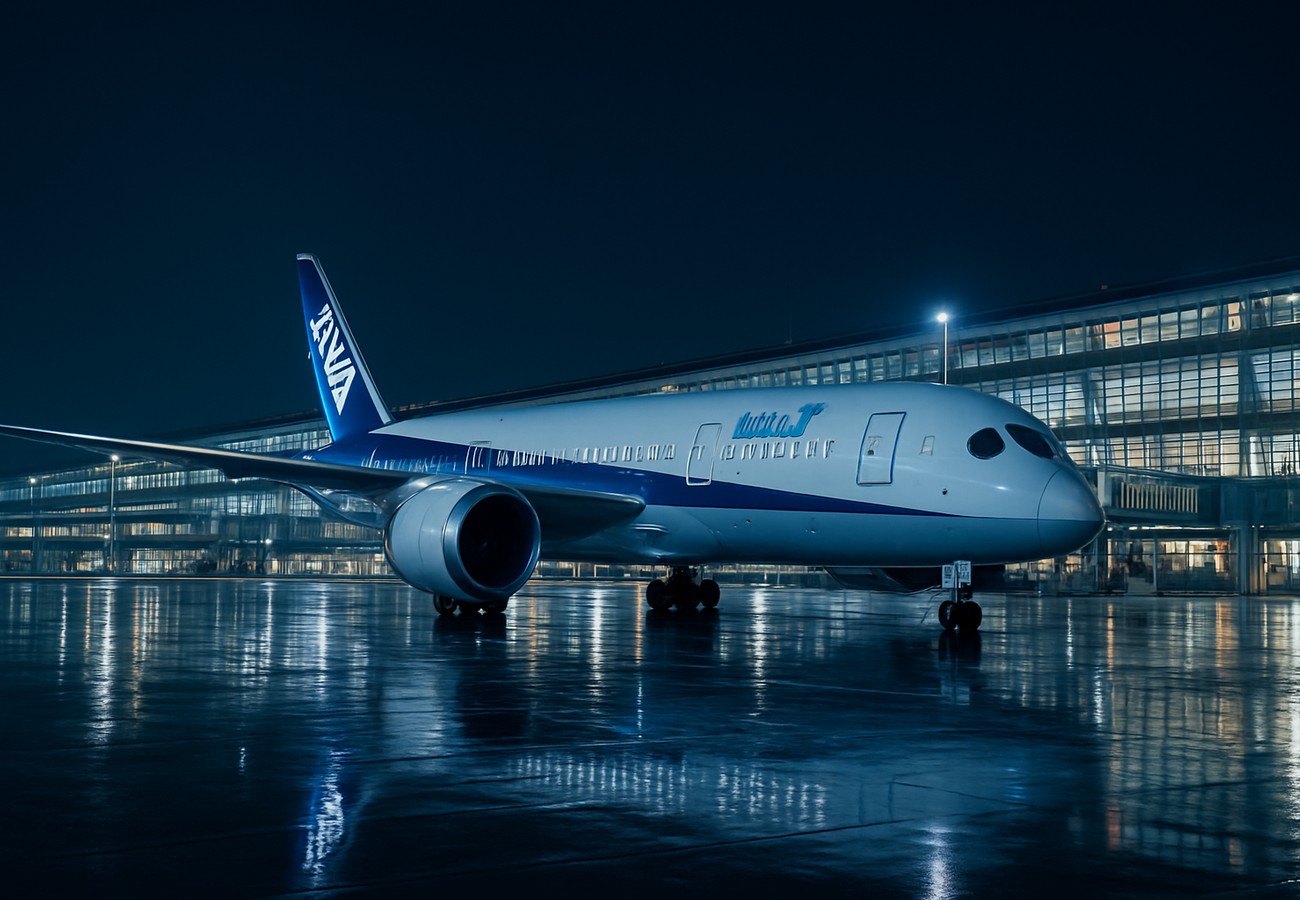 ANA's Tokyo Haneda operations exemplify the precision and discipline that define Japanese aviation culture.
Aeroflot's continued presence in the global Top 50 rests on an advantage that no competitor can acquire: geography. Its Sheremetyevo International Airport hub in Moscow occupies a unique position at the intersection of the Europe-Asia air corridor, enabling transit traffic volumes that would be difficult to replicate from any other hub location.
The airline continues to modernise its fleet and evolve its digital systems toward global standards. Premium offerings are improving. Network connectivity across the Europe-Asia corridor remains its most unassailable competitive strength — a structural advantage that persists regardless of operational or political headwinds. Geography, for Aeroflot, is the defining strategic asset.
| Category | Details |
|---|---|
| Hub | Sheremetyevo International Airport, Moscow |
| Scale | Large mixed fleet |
| Connectivity | Europe–Asia corridor strength |
| Boarding | Structured operations |
| Premium Edge | Improving premium services |
Full Airline Comparison: Top 50 Feature Rankings 2026
| Airline | Headquarters | Primary Hub | Global Network | In-Flight Comfort | On-Time Performance |
|---|---|---|---|---|---|
| Air France | France | Paris CDG | Extensive multi-continent | High premium focus | Strong |
| Saudia | Saudi Arabia | Jeddah | Expanding global reach | Improving | Moderate |
| British Airways | UK | London Heathrow | Strong global presence | Premium heavy | Strong |
| Korean Air | South Korea | Incheon | Asia-Pacific global | Balanced comfort | Strong |
| All Nippon Airways | Japan | Tokyo Haneda | Global Asia network | High precision comfort | Very strong |
| Aeroflot | Russia | Moscow | Europe–Asia network | Improving | Moderate |
Why Air France Overtakes the Competition
The 2026 aviation landscape rewards integration above all else. Individual excellence in one dimension — British Airways' network reach, ANA's precision, Korean Air's efficiency — is table stakes at this level. What elevates Air France above the field is its ability to combine every critical success factor simultaneously, at global scale, without compromise.
Its Paris hub provides connectivity that rivals cannot match. Its premium cabin strategy captures the high-yield revenue segments that drive disproportionate margin contribution. Its AI-driven digital systems optimise load factors, routing, and aircraft utilisation with a sophistication that reflects genuine technological investment rather than superficial innovation. And its operational reliability — measured in consistent on-time performance across a vast multi-continent network — delivers the passenger confidence that drives loyalty and repeat bookings.
"The airline isn't just delivering comfort or innovation in isolation; it's delivering a complete, reliable experience every time," notes TTW's Anup Kumar Keshan. "That's what makes it stand out as a clear leader in global aviation right now."
Conclusion: The 2026 Global Aviation Standard
The TTW Top 50 Airlines of the World ranking for 2026 — shaped by the editorial team's rigorous assessment and the collective voice of 25 million readers — has reached an unambiguous verdict: Air France is the global aviation standard. In a year of record passenger demand, premium revenue transformation, and accelerating digital disruption, it is the airline that has answered every challenge with the same integrated, disciplined, passenger-centred response.
For travelers planning their next journey, the ranking offers a clear guide: look for airlines that integrate network depth, premium value, operational reliability, and digital convenience. In 2026, Air France does this better than anyone else on earth. But the competition — Saudia, British Airways, Korean Air, ANA, and Aeroflot — is watching closely, and the race for global aviation supremacy is far from over.
FAQ: Top 50 Airlines of the World 2026
Q: How was the Top 50 Airlines of the World 2026 ranking determined? A: The ranking was determined by Travel And Tour World's editorial team in conjunction with readers' choice input from 25 million readers, evaluating airlines across on-time performance, operational reliability, digital systems, network reach, and overall passenger experience.
Q: Why did Air France rank number one in 2026? A: Air France was ranked first for its integrated approach — combining network depth across multiple continents, strong premium cabin revenue, AI-driven digital operations, load factors consistently above 80%, and consistent passenger experience across all booking and travel touchpoints.
Q: What makes Saudia a rising force in global aviation? A: Saudia is rapidly expanding its long-haul fleet, investing in premium cabins, and growing its intercontinental connectivity from its Jeddah hub, positioning itself to compete with established European and Asian carriers as part of the global aviation expansion that will see over 2,100 new aircraft enter service by 2027.
Q: Which airline has the best on-time performance in the 2026 ranking? A: All Nippon Airways (ANA) leads on on-time performance with a "Very Strong" rating, reflecting Japan's aviation culture of operational precision and scheduling discipline. Air France, British Airways, and Korean Air are all rated "Strong."
Q: Is the TTW Top 50 Airlines ranking published annually? A: Yes, Travel And Tour World publishes its Top 50 Airlines of the World ranking annually, incorporating editorial assessment and reader feedback from its global audience of 25 million readers to reflect current aviation standards and passenger experience benchmarks.
Source: Travel And Tour World
Disclaimer
This article is for informational and educational purposes only. It does not constitute legal, financial, or professional advice. While we strive to provide accurate and up-to-date information, travel policies, regulations, and conditions change rapidly. Always verify information with official sources before making travel decisions. Nomad Lawyer makes no representations about the accuracy, reliability, completeness, or suitability of the information provided. Readers should consult qualified professionals for advice specific to their circumstances. The views expressed in this article are those of the author and do not necessarily reflect the views of Nomad Lawyer.
Raushan Kumar
Founder & Lead Developer
Full-stack developer with 11+ years of experience and a passionate traveller. Raushan built Nomad Lawyer from the ground up with a vision to create the best travel and law experience on the web.
Learn more about our team →