
Elite Passengers Stranded in Legacy Seats: Air Canada's Massive Boeing 777 Retrofit Catch Frustrates Travelers Amid Global Aviation Chaos
As premium passengers battle severe airport disruptions and travel chaos, Air Canada reveals a shocking 2029 delay for its massive 65-aircraft widebody luxury cabin retrofit program.

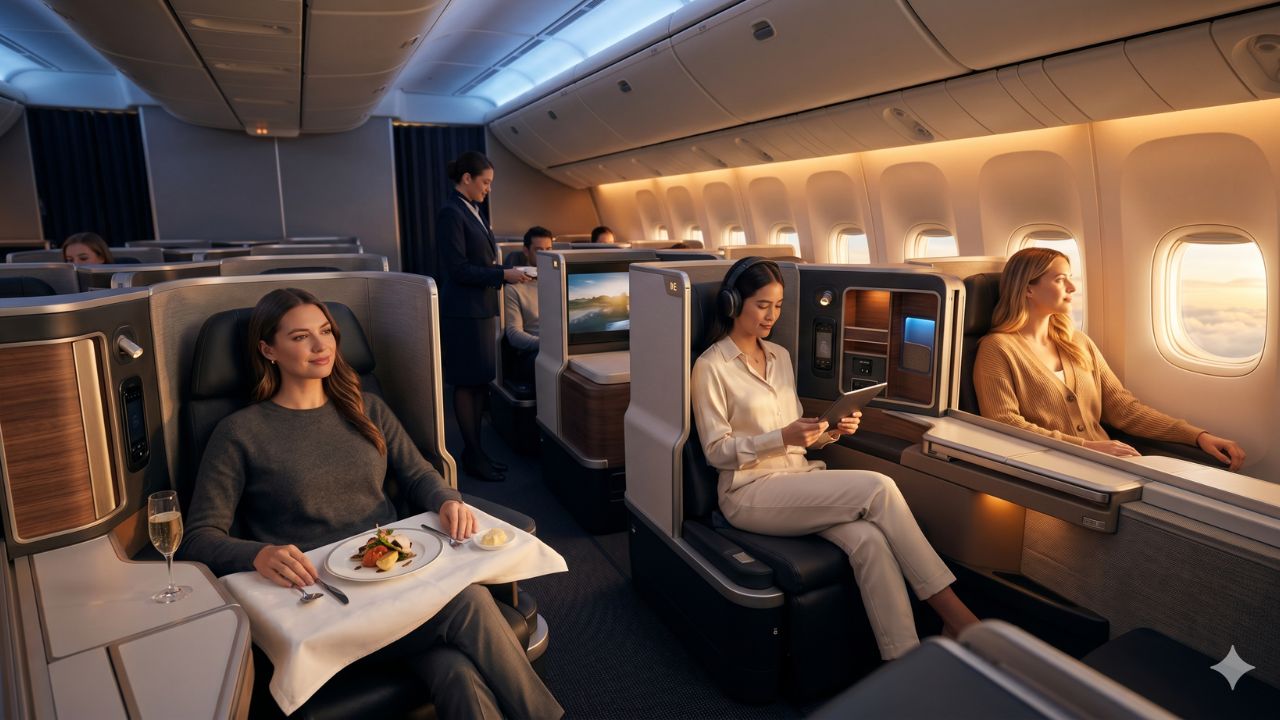
Image generated by AI
A Massive Fleet Overhaul Hindered by a Decades-Long Wait
While massive sectors of the global passenger network frequently battle highly unpredictable extreme weather events, synchronized logistical bottlenecks, and horrific commercial fleet constraints, the agonizing frustration of a highly outdated premium cabin remains a severe catalyst for corporate passenger dissatisfaction amidst ongoing airport disruptions. Delivering highly urgent, breaking airline news, verified North American aviation trackers confirm that while a massive strategic operational milestone has actively been announced to shield elite passengers from the stress of travel chaos, a shocking timeline catch has violently derailed expectations. Today, June 4, 2026, highly alarming operational news forcefully emerged confirming that while Air Canada is rolling out its brand-new “Glowing Hearted” cabin retrofit program for 65 existing widebody aircraft, including older Boeing 777 and Dreamliner airframes, passengers face an agonizing wait until 2029 before these upgrades actually take flight.
While desperate travelers usually attempt to navigate terrifying terminal gridlock caused by sudden flight cancellations, they heavily rely on ultra-premium business class sanctuaries to recover from the physical exhaustion of global transit. In a highly anticipated fleet update, Air Canada officially confirmed it will bring its next-generation long-haul interior design to its current widebody aircraft, guaranteeing older planes will mirror newly delivered jets. However, the massive logistical reality of this multi-year aircraft allocation strategy means that frequent flyers seeking top-tier comfort on transpacific and transatlantic journeys are actively trapped in a holding pattern. For international jetsetters, this shocking catch introduces a frustrating three-year period of severe product inconsistency across the global network.
Expanded Overview: The Scale of the Retrofit Program
The sudden, highly publicized execution of this massive nationwide operational development serves as an undeniable example of how rapidly complex corporate logistics can clash with immediate passenger demands. A cabin retrofit program spanning 65 widebody aircraft is an absolute logistical mammoth. For a massive corporate and leisure corridor heavily reliant on incredibly robust, high-frequency flight schedules between North America, Europe, and Asia, Air Canada’s decision to upgrade these jets is a necessary defensive maneuver to combat rival legacy carriers.
However, the terrifying reality of the current transit crisis is found in the sheer volume of high-capacity aircraft currently flying with rapidly aging interiors. While the promise of the new Signature Plus Business Suites is universally praised, the fact that passengers must wait until the end of the decade to escape the current-generation classic interiors creates massive booking hesitation. Furthermore, the carrier officially confirmed a massive fleet exclusion: a subfleet of 20 Airbus A330-300 airframes has been completely excluded from these upgrades. By actively retaining legacy seating on these A330 routes, the airline risks exposing premium passengers to severe disappointment, heavily compounding the intense frustration of modern global travel chaos.
Section-Wise Breakdown of the Luxury Overhaul
Unveiling the Elite Signature Plus Business Suites
The absolute centerpiece of Air Canada’s updated widebody strategy is the introduction of a highly specialized front-row concept designed to eradicate travel fatigue. Dubbed the Signature Plus Business Suites, these exclusive spaces occupy the very first row of the business class cabin. The carrier aggressively optimized the spatial layout to create a mini-first-class experience heavily upgraded with high privacy walls, dedicated storage spaces, and an innovative companion seat. Furthermore, the two center suites feature a retracting central privacy partition, allowing up to four passengers to comfortably dine or conduct business meetings together mid-flight. The suites boast massive 27-inch, 4K OLED seat-back screens and fully flat 2-meter (78.7-inch) beds, acting as the ultimate shield against the exhaustion of international travel chaos.
The Shocking 2029 Timeline Catch
While the premium cabin retrofit program sounds incredibly protective, the massive catch is the agonizing operational timeline. The airline’s current widebody fleet will not begin receiving these physical transformations for quite some time. The very first retrofitted Boeing 777 or Boeing 787 Dreamliner is not projected to carry commercial passengers until 2029. Consequently, if you are aggressively attempting to bypass airport disruptions by booking a premium cabin on an older widebody airframe over the next three years, you are guaranteed to experience the airline’s older, current-generation classic interiors.
Native Integrations and Fleet Exclusions
Fortunately, passengers do not have to wait until 2029 to experience the aesthetic shift on factory-fresh deliveries. The carrier’s brand-new narrowbody Airbus A321XLR aircraft, which actively began arriving in April 2026, already showcase these new cabins in a 1-1 layout. Furthermore, the airline will integrate 14 large Boeing 787-10 aircraft featuring the new interiors natively by late 2026/early 2027, and 8 ultra-long-haul Airbus A350-1000 jets starting in 2030. However, the 20 Airbus A330-300 airframes are completely excluded, permanently retaining the classic interiors.
Verified Aircraft Allocation and Cabin Retrofit Data
To fully comprehend the massive operational scale and strategic deployment dictating this highly scrutinized capacity upgrade, the following table explicitly details the exact aircraft allocation and timelines for the Air Canada overhaul:
Air Canada Fleet-Wide Cabin Overhaul Strategy
| Aircraft Type in Fleet | Retrofit Status | Expected Product Features | Onboard Debut Timeline |
|---|---|---|---|
| Airbus A321XLR | Native Integration | Lie-flat beds, 1-1 layout, modern amenities | Active (First delivered April 2026) |
| Boeing 787-10 | Native Integration | Signature Plus Suites, 4K OLED screens | Late 2026 / Early 2027 |
| Boeing 777-300ER / -200LR | Scheduled for Retrofit | Signature Plus Suites, Premium Econ, New Economy | Starting in 2029 |
| Boeing 787-8 / 787-9 | Scheduled for Retrofit | Signature Plus Suites, Premium Econ, New Economy | Starting in 2029 |
| Airbus A350-1000 | Native Integration | Next-Gen Premium Cabins, Ultra-Long-Haul | Delivery starting in 2030 |
| Airbus A330-300 | Excluded | Retaining current generation classic interiors | No upgrades planned |
Passenger Impact: Navigating the Multi-Year Transition
For the modern premium commuter attempting to navigate this highly volatile North American network, the passenger impact of this massive timeline delay is deeply frustrating. Reliable, ultra-luxurious, and consistent premium cabins are the absolute backbone of seamless corporate travel, and this staggered rollout heavily threatens that promise.
- Endure the Seat Lottery: Because the retrofits are violently delayed until 2029, passengers are subjected to the dreaded "seat lottery," where paying top-tier fares does not guarantee access to the airline's flagship Signature Plus product.
- Avoid the Excluded Fleet: Tourists and corporate executives bound for international destinations must actively avoid the 20 Airbus A330-300 airframes if they wish to escape the older generation of seating.
- Target Native Deliveries: Rather than risking an outdated cabin, elite travelers are aggressively urged to actively seek out routes operated by the newly delivered Airbus A321XLR or the upcoming Boeing 787-10 to guarantee the highly private, disruption-free luxury experience.
Conclusion: A Highly Delayed Aviation Upgrade
The massive, highly publicized announcement of Air Canada's cabin retrofit program represents a severe, incredibly vital upgrade for the Canadian aviation sector. However, by confirming that 65 existing widebody aircraft will not begin their physical transformations until 2029, the carrier has inadvertently fueled intense frustration among elite flyers currently battling unprecedented travel chaos. As executive leadership across Air Canada frantically scrambles to execute the rollout of factory-fresh aircraft to bridge the gap, domestic and international tourists are heavily urged to aggressively monitor their specific aircraft types when booking, actively prepare for cabin inconsistencies, and fully expect the "seat lottery" to persist for the remainder of the decade.
Key Takeaways
- Massive Fleet Retrofit: Air Canada is launching a massive cabin retrofit program spanning 65 existing widebody aircraft to install the ultra-premium Signature Plus Business Suites.
- The 2029 Catch: The massive catch is that the first retrofitted Boeing 777 or Boeing 787 aircraft will not enter commercial service until 2029.
- A330 Exclusion: The airline's subfleet of 20 Airbus A330-300 airframes is explicitly excluded from the program and will retain classic interiors.
- Factory-Fresh Relief: The new Airbus A321XLR (delivered April 2026) already features the design, while 14 Boeing 787-10s (late 2026) and 8 Airbus A350-1000s (2030) will feature the suites natively.
- Passenger Survival Tactics: Travelers paying for premium long-haul fares are aggressively urged to check aircraft tail numbers and prioritize new deliveries to avoid the severe frustration of outdated cabins amidst ongoing travel chaos.
Disclaimer: The specific cabin configuration metrics, aircraft retrofit timelines, and fleet exclusion data presented in this report are based on verified corporate announcements regarding Air Canada operations in June 2026. Official airline interior deployments, factory delivery schedules, and global supply chain logistics are highly volatile and subject to continuous, real-time update based on active operational shifts. Prospective passengers are urgently advised to fiercely monitor their specific booking status and verify active aircraft equipment directly via the airline's official portal prior to booking premium travel.
Disclaimer
This article is for informational and educational purposes only. It does not constitute legal, financial, or professional advice. While we strive to provide accurate and up-to-date information, travel policies, regulations, and conditions change rapidly. Always verify information with official sources before making travel decisions. Nomad Lawyer makes no representations about the accuracy, reliability, completeness, or suitability of the information provided. Readers should consult qualified professionals for advice specific to their circumstances. The views expressed in this article are those of the author and do not necessarily reflect the views of Nomad Lawyer.
Kunal K Choudhary
Co-Founder & Contributor
A passionate traveller and tech enthusiast. Kunal contributes to the vision and growth of Nomad Lawyer, bringing fresh perspectives and driving the community forward.
Learn more about our team →