
AI and Digital Innovation Reshape Global Tourism Ahead of DES 2026 Málaga: 15,000 Experts Converge
Artificial intelligence and digital transformation are fundamentally reshaping global tourism. The Digital Enterprise Show 2026 in Málaga will gather 15,000 experts to explore how AI, automation, and smart ecosystems are redefining travel.

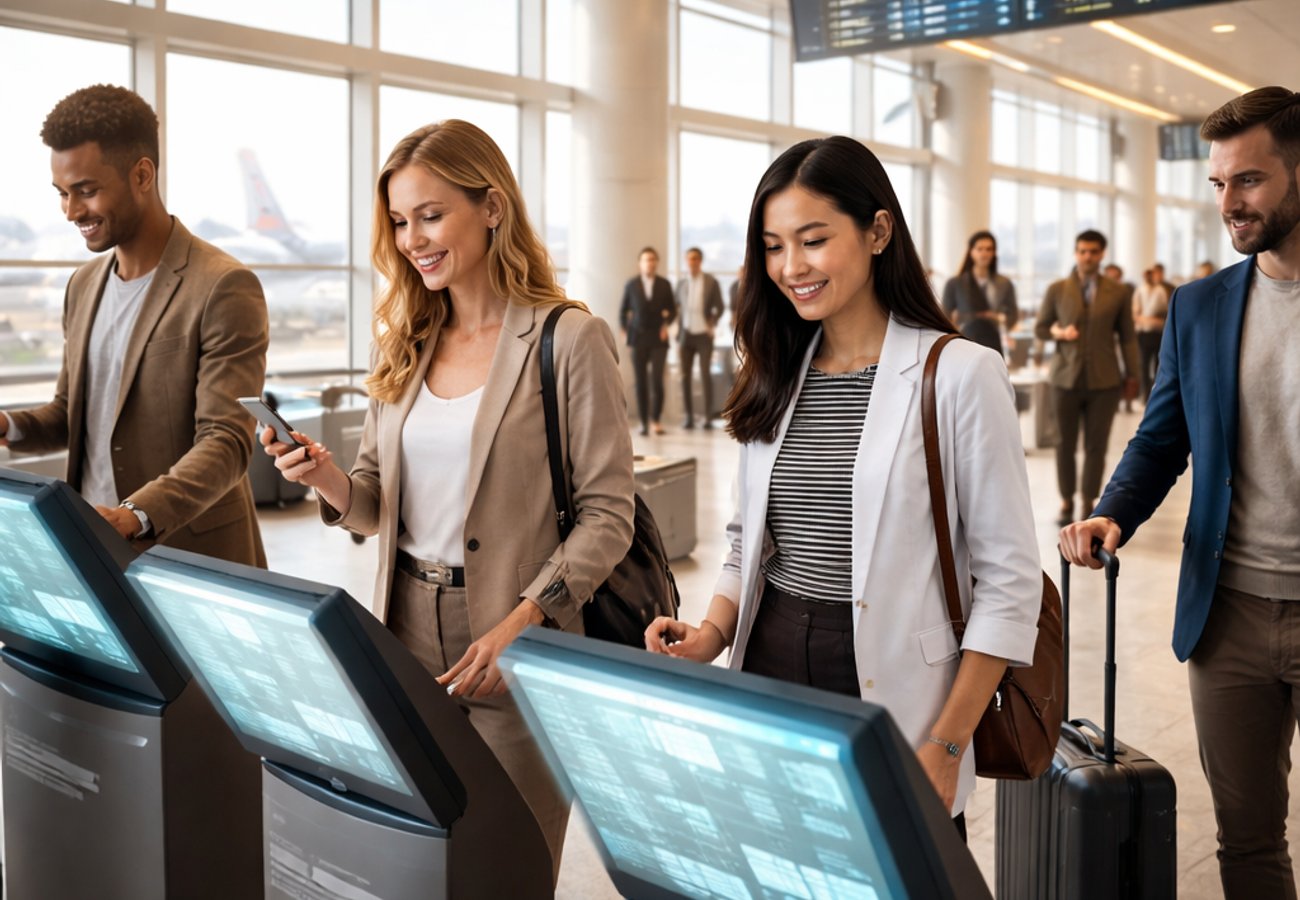
Image generated by AI
The global tourism industry stands at an inflection point. Artificial intelligence, automation, and real-time data systems are no longer experimental add-ons—they're becoming the backbone of how travel is planned, booked, and experienced worldwide.
This seismic shift is about to take center stage at the Digital Enterprise Show 2026 (DES 2026) in Málaga, where more than 15,000 industry professionals, technology leaders, tourism executives, and digital innovators will converge to examine how emerging technologies are reshaping mobility and hospitality across the globe.
The transformation isn't coming in the future. It's happening right now.
The Scale of AI Invasion Into Travel Operations
Walk into any major airport or hotel chain today, and you'll encounter systems that didn't exist five years ago. Istanbul Airport is using advanced data analytics to manage soaring passenger volumes in real-time. ILUNION Hotels has deployed AI systems to personalize guest experiences while optimizing operations through intelligent data governance. Online travel agencies like Civitatis are replacing traditional customer service workflows with AI agents designed to streamline bookings and reduce response times.
These aren't isolated experiments. They represent a systematic overhaul of how the entire tourism ecosystem operates.
Airlines are integrating automation tools to improve scheduling efficiency, reduce delays, and optimize fuel consumption. Airports are deploying advanced surveillance and data-processing systems to manage passenger flow dynamically. Hotels are implementing AI-driven personalization engines that customize everything from room temperature to dining recommendations based on individual guest behavior.
The result? Operational costs decline. Customer satisfaction metrics improve. And the entire travel experience becomes more seamless.
Reddit: "AI completely changed how my last hotel stay felt—everything was pre-arranged based on my preferences before I even checked in. The future is here." — r/travel
Why Málaga Is the Epicenter of Tourism Tech Evolution
The choice of Málaga as the venue for DES 2026 is strategic and symbolic. Spain has become a global hub for digital innovation in tourism, and the Mediterranean destination attracts roughly 9 million visitors annually—making it an ideal laboratory for understanding smart tourism ecosystems in practice.
Destinations like Berlin have already demonstrated that digital innovation and sustainability can coexist. By implementing responsible tourism management strategies, they've reduced overcrowding, protected cultural heritage, and ensured local communities benefit from visitor spending. These lessons will shape discussions at DES 2026.
The conference isn't just about technology deployment. It's about creating connected, data-driven travel environments where efficiency, personalization, and environmental responsibility work in harmony.
The Ethical Landmine Nobody's Talking About Enough
Here's what keeps tourism leaders awake at night: data governance and algorithmic transparency.
As travel platforms collect unprecedented volumes of personal information—browsing habits, payment methods, location data, travel preferences, even biometric identifiers—critical questions emerge. How is this data stored? Who has access to it? How are algorithms making decisions about pricing, recommendations, and accessibility?
Regulatory frameworks are being developed across multiple regions to address these concerns, but the pace of technological change is outrunning policy development. The balance between innovation and regulation has been identified as a central challenge for the future of AI in tourism.
Travel companies deploying these systems face mounting pressure to implement transparent, ethical AI practices. Regulatory bodies are tightening scrutiny. Consumers are increasingly aware of privacy risks.
The tourism industry must solve this equation: advanced personalization without invasive data collection. The winners at DES 2026 will be those offering solutions to this paradox.
Social Media Is Now the Primary Travel Discovery Engine
TikTok didn't invent short-form video content, but it fundamentally altered how destinations are discovered. User-generated content—authentic, unfiltered, often shot on mobile phones—now influences travel decisions more than traditional marketing campaigns.
Tourism boards have been forced to completely reimagine their strategies. Professional travel photography still matters, but so does the viral video of a hidden café in Lisbon or an undiscovered hiking trail in Portugal. Destinations that leverage social media authentically gain disproportionate attention from younger travelers.
This shift has major implications for how destinations use AI. Recommendation algorithms can identify emerging travel trends weeks before they hit mainstream tourism media. Predictive analytics can help destinations prepare infrastructure for sudden surges in visitor interest sparked by viral content.
What the Connected Tourism Ecosystem Actually Means
Imagine planning a trip where every stage—from initial inspiration through post-travel reflection—is powered by intelligent systems working seamlessly together.
You discover a destination on social media. An AI recommendation engine suggests accommodations aligned with your preferences and budget. Your airline uses predictive analytics to optimize your flight schedule and reduce delays. Upon arrival, your hotel has personalized your room settings based on your profile. Local tourism platforms provide real-time recommendations for restaurants, attractions, and experiences tailored to your interests.
Your movements help the destination manage tourist flows, reducing overcrowding at popular sites. Environmental impact is tracked and minimized. Transportation is optimized. Your feedback is captured and processed instantly, informing continuous improvement across the entire tourism ecosystem.
This isn't science fiction. Components of this system exist today. DES 2026 will focus on integrating these fragments into coherent, functioning ecosystems.
Sustainability Has Become Non-Negotiable
The tourism industry contributes roughly 8% of global greenhouse gas emissions. As climate awareness intensifies, destinations face mounting pressure to balance visitor demand with environmental protection.
Smart tourism ecosystems are emerging as a potential solution. By using data analytics to optimize transportation routes, reduce energy consumption in hospitality facilities, and manage visitor flows to prevent environmental degradation, technology becomes a tool for sustainability rather than just profit maximization.
Destinations implementing these strategies report measurable improvements: reduced carbon footprints, decreased strain on local infrastructure, and enhanced quality of life for residents.
The conversation at DES 2026 won't just be about how AI increases revenue. It will be about how technology enables responsible, sustainable tourism growth that benefits visitors, local communities, and the environment simultaneously.
The Conference That Will Shape Tourism's Next Decade
DES—Digital Enterprise Show 2026 represents more than a conference. It's a convergence point where the future of global tourism will be actively designed and debated.
With 15,000 participants representing every segment of the travel industry—from boutique hotels to major airline alliances, from destination management organizations to technology startups—the insights shared will reverberate through tourism strategies for years.
The event will address critical questions: How can AI enhance travel without compromising privacy? What regulatory frameworks will govern autonomous travel systems? How will destinations balance technological innovation with cultural preservation? What role will sustainability play in the next generation of tourism infrastructure?
The answers emerging from Málaga will influence how tourism is developed, marketed, and managed globally.
The future of travel isn't being written in Silicon Valley—it's being coded in data centers, debated in hotel boardrooms, and refined on airport tarmacs worldwide.
Related Travel Guides
United Airlines Flights Face Emergency Evacuations After Consecutive Bomb Threats
San Francisco Airport Faces Travel Chaos: 86 Flights Disrupted as United Airlines Bears Brunt
Disclaimer
This article is for informational and educational purposes only. It does not constitute legal, financial, or professional advice. While we strive to provide accurate and up-to-date information, travel policies, regulations, and conditions change rapidly. Always verify information with official sources before making travel decisions. Nomad Lawyer makes no representations about the accuracy, reliability, completeness, or suitability of the information provided. Readers should consult qualified professionals for advice specific to their circumstances. The views expressed in this article are those of the author and do not necessarily reflect the views of Nomad Lawyer.
Raushan Kumar
Founder & Lead Developer
Full-stack developer with 11+ years of experience and a passionate traveller. Raushan built Nomad Lawyer from the ground up with a vision to create the best travel and law experience on the web.
Learn more about our team →