
Africa Tourism Strategy 2026: ATTA Unveils Five-Tier Framework as International Arrivals Grow 4%

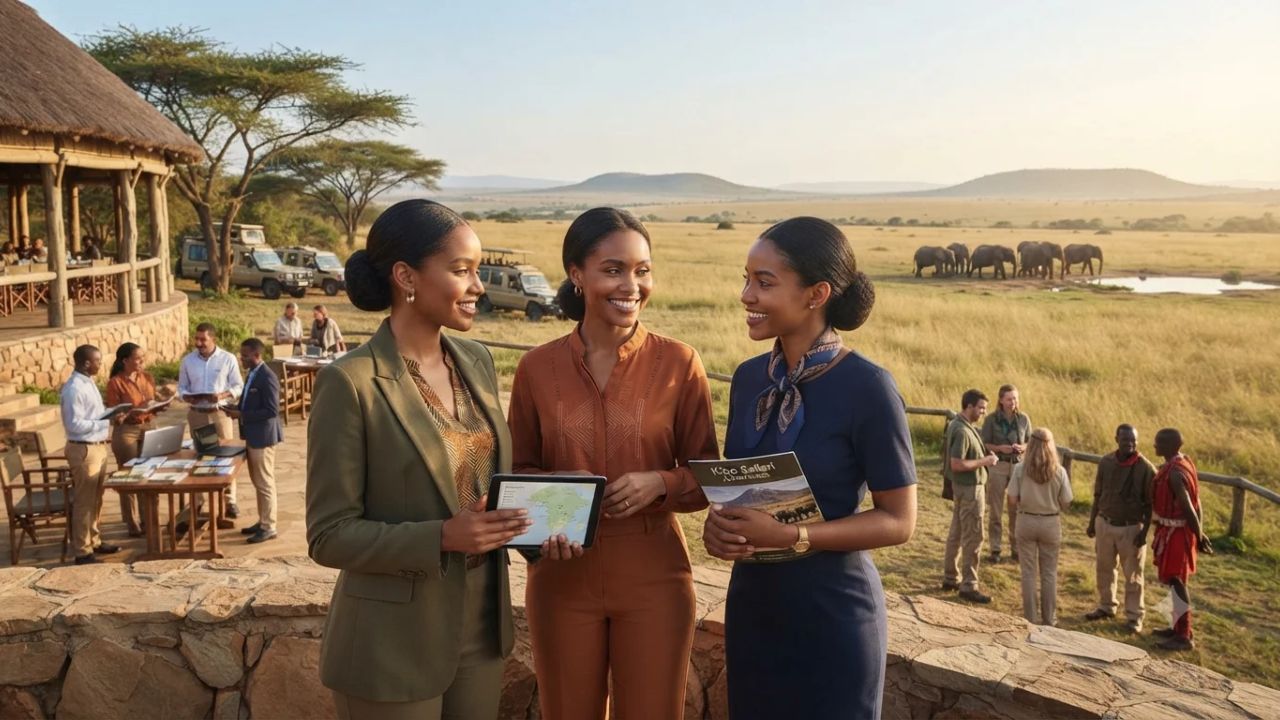
Following a 4% increase in international visitor arrivals across Africa during the first half of 2026, the African Travel and Tourism Association (ATTA) has launched a strategic restructuring across its global network of more than 1,000 member organizations. Replacing its legacy binary supplier-and-buyer model with a five-tier institutional framework launching October 1, 2026, the 30-year-old association is aligning continental safari operators, eco-lodges, and conservation trusts with global investment and market intelligence.
This strategic pivot coincides with a broader evolution in traveler preferences. International visitors exploring Southern, East, Central, and North Africa are increasingly seeking low-density wilderness expeditions, heritage homestays, and community-owned conservancies that directly fund wildlife protection and local employment.
The Strategic Pivot: Connectivity, Commercial Investment, and Asset Protection
For more than three decades, ATTA has served as the trade conduit between African destination management companies and international outbound travel buyers. As global tourism demand rebounds and diversifies, the association is refocusing its resources on three primary strategic pillars: deepening ecosystem connectivity, attracting ethical private capital for eco-hospitality concepts, and safeguarding fragile natural and cultural assets.
According to data published in the 2026 mid-year report by UN Tourism, Africa's 4% growth in overseas arrivals reflects sustained interest in nature-based tourism, cross-border overland routes, and cultural heritage experiences.
ATTA Five-Level Membership Architecture (Effective 1 October 2026)
| Membership Tier | Core Institutional Purpose | Key Resources & Market Benefits | Target Organization Profile |
|---|---|---|---|
| Network | Community Entry & Baseline Access | Business directory profile, entry-level networking events, baseline briefings | Emerging operators, local transport providers, boutique guesthouses |
| Business | Commercial Linkages & Operational Growth | Industry networking hubs, trade intelligence feeds, educational webinars | Established safari outfits, regional lodges, regional destination marketing firms |
| Growth | Scale & Market Access Expansion | Expanded directory visibility, specialized market research, curated buyer introductions | Rapidly expanding tour companies, multi-camp operators, mid-scale lodge groups |
| Strategic | High-Engagement Commercial Partnerships | Bespoke research access, strategic stakeholder roundtables, priority trade exposure | International hospitality brands, sovereign tourism boards, major airlines |
| Leadership | Policy Stewardship & Industry Governance | High-level executive councils, policy roundtables, global advocacy platforms | Institutional investors, premier luxury conservation brands, pan-African alliances |
This tiered structure, administered directly via the African Travel and Tourism Association (ATTA), provides a clear development ladder for grassroots African operators to transition into internationally recognized conservation enterprises.
What Makes This Pan-African Tourism Shift Different
Moving Beyond Generic Big-Five Safaris
While iconic game viewing in the Serengeti, Maasai Mara, Kruger, and Okavango Delta remains a core attraction, modern travelers are shifting toward specialized expeditions. Demand is surging for walking safaris guided by indigenous naturalists, marine conservation diving along the Mozambican and Kenyan coastlines, and cultural immersion tours across West Africa's historic trading kingdoms.
Sustainable Conservation Financing
The protection of wildlife corridors depends directly on high-value, low-impact tourism revenues. Daily conservation fees, bed-night levies, and guide licensing fees generate the financial foundation for anti-poaching ranger units and community clinics. Regional projects listed with the UNESCO World Heritage Centre—from the Okavango Delta in Botswana to Ngorongoro Conservation Area in Tanzania—increasingly depend on private-public partnerships vetted through ethical tourism frameworks.
Regional Intra-African Connectivity
Improved flight connections and relaxed border policies across Southern and East Africa are encouraging visitors to combine multiple regions into a single itinerary. Travelers can now seamlessly pair gorilla trekking in Rwanda's volcanic rainforests with coastal exploration in Zanzibar or desert dune safaris in Namibia without facing logistical roadblocks.
Visitor Insider Tips: Booking Responsible African Expeditions
- Prioritize Community Conservancies: When selecting safari camps, look for properties operating on leased communal conservancy lands (such as Mara North Conservancy in Kenya or Damaraland conservancies in Namibia). In these reserves, land-lease fees flow directly to indigenous landholders, ensuring transparent community revenue sharing.
- Verify Association Credentials: Ensure your ground operator or safari outfitter is a verified member of recognized regional bodies like ATTA, SATSA (South Africa), or KATO (Kenya). Membership guarantees compliance with strict safety protocols, ethical wildlife viewing guidelines, and bonded financial protections.
- Pack Light in Soft-Sided Luggage: Most regional safari routes utilize light aircraft (such as Cessna Caravans) to land on unpaved bush airstrips. Strict luggage limits (typically 15 kg to 20 kg including camera gear) and soft-sided duffel bag requirements are strictly enforced for weight and balance safety.
- Plan High-Demand Permits 6 to 9 Months Ahead: Specialist wildlife permits—including mountain gorilla tracking in Rwanda and Uganda, or chimpanzee habituation in Mahale Mountains—are strictly capped per day and sell out months in advance of the dry season.
- Carry Local Currency for Direct Tips: While international credit cards are accepted at luxury lodge receptions, carry small denominations of local currency or clean US dollars (series 2013 or newer) for tipping safari trackers, camp staff, and village artisans directly.
Cultural and Environmental Context: Community Co-Ownership and Climate Resilience
Long-term tourism growth across Africa requires balancing commercial expansion with climate resilience and cultural preservation. Extreme weather fluctuations, including prolonged droughts and unseasonal rainfall in southern wildlife reserves, underscore the importance of sustainable lodge infrastructure, solar microgrids, and atmospheric water-generation systems.
Furthermore, authentic cultural tourism is moving away from staged village visits toward co-owned community enterprises. By ensuring indigenous pastoralist and artisanal communities hold equity in hospitality ventures, the tourism sector safeguards traditional knowledge systems while creating durable economic alternatives to habitat conversion.
FAQ: African Travel and Tourism Trends 2026
What drove the 4% rise in African tourism arrivals in H1 2026?
According to UN Tourism data, the 4% growth was propelled by improved regional flight connectivity, simplified digital visa and eTA systems, and rising global demand for nature-based and cultural immersion travel.
What is the primary role of ATTA in African tourism?
ATTA (African Travel and Tourism Association) is a pan-African trade association representing over 1,000 businesses across Africa and global markets, facilitating trade connections, market research, and sustainable development standards.
When does ATTA's new membership framework take effect?
The new five-tier membership model (Network, Business, Growth, Strategic, Leadership) officially launches on October 1, 2026.
How can travelers ensure their safari supports local communities?
Travelers should choose operators based in community-run conservancies, verify operator membership in professional trade associations, and confirm that camp staff and guides are recruited and trained locally.
As Africa's travel economy expands, the union of ethical investment, grassroots community ownership, and wilderness conservation ensures that the continent's greatest landscapes endure for generations.
Related Travel Guides
Disclaimer
This article is for informational and educational purposes only. It does not constitute legal, financial, or professional advice. While we strive to provide accurate and up-to-date information, travel policies, regulations, and conditions change rapidly. Always verify information with official sources before making travel decisions. Nomad Lawyer makes no representations about the accuracy, reliability, completeness, or suitability of the information provided. Readers should consult qualified professionals for advice specific to their circumstances. The views expressed in this article are those of the author and do not necessarily reflect the views of Nomad Lawyer.
Preeti Gunjan
Contributor & Community Manager
A passionate traveller and community builder. Preeti helps grow the Nomad Lawyer community, fostering engagement and bringing the reader experience to life.
Learn more about our team →