
Abra Group Deploys Emergency Air Bridge to Venezuela Following June 2026 Earthquakes
Abra Group leverages Avianca and GOL fleets to establish a critical humanitarian air bridge to Venezuela after severe seismic activity disrupted regional transport.

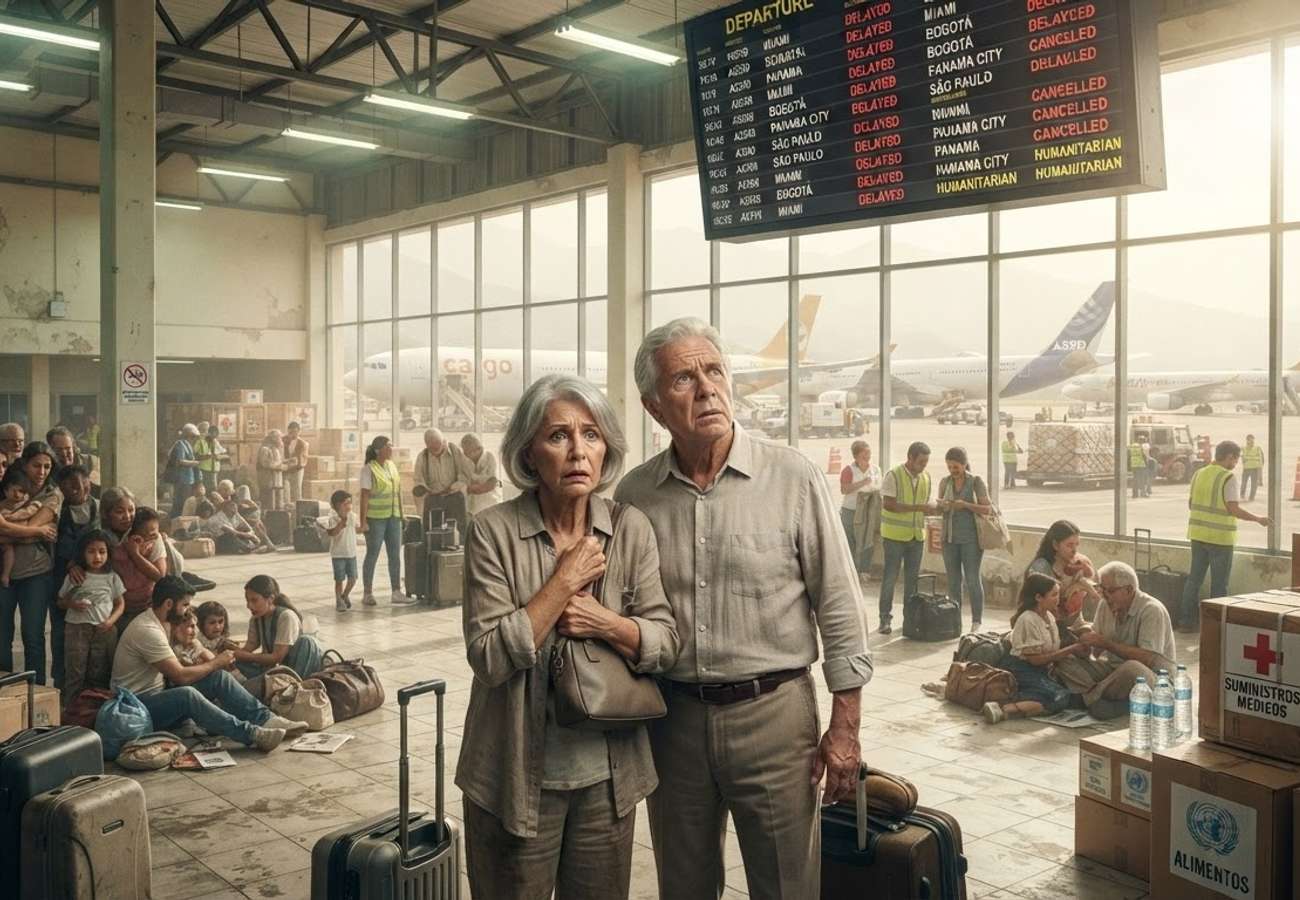
Image generated by AI
The aviation sector has pivoted to emergency logistics in South America as the Abra Group establishes a strategic air bridge to support northern Venezuela following devastating earthquakes on June 24.
The seismic events caused severe damage to municipal infrastructure in Caracas and La Guaira, rendering primary transit grids unreliable. In response, Abra Group—which manages carriers Avianca and GOL—has mobilized its pan-Latin American network to bypass crippled ground transport and deliver life-saving supplies.
Operating in coordination with the governments of El Salvador and Brazil’s Ministry of Foreign Affairs, the initiative has already transported over 125 tons of humanitarian cargo. These shipments include emergency shelters, hygiene kits, clean water, and essential medicines.
Operational Shifts and Traveler Impact
The structural failure of Simón Bolívar International Airport in Maiquetía has led to its temporary closure for safety evaluations. This closure has severed the primary international gateway to Caracas, forcing a total reconfiguration of regional flight paths.
To mitigate the crisis, Avianca has diverted operations to Arturo Michelena International Airport (VLN) in Valencia. This alternative gateway now serves as the primary entry point for those traveling from Colombia.
Current Aviation Adjustments:
- New Route: El Dorado International Airport (BOG), Bogotá $\rightarrow$ Arturo Michelena International Airport (VLN), Valencia.
- Frequency: Two daily flights.
- Passenger Protections: Full waivers on ticket change fees and the implementation of capped emergency fares.
Logistics and Fleet Deployment
Industry observers note that the Abra Group is utilizing a diversified fleet to manage both commercial obligations and disaster relief. The operation employs a mix of Airbus A320s, Boeing 787s (Avianca), and Boeing 737s (GOL).
A critical component of this deployment was a joint operation with the Brazilian government, which successfully delivered 350,000 vaccine doses to regional health centers.
The financial burden of these operations is being partially offset by a novel application of loyalty programs. The LifeMiles program collected over 10 million miles from passengers, a sum that Abra Group CEO Adrián Neuhauser confirmed the company would match to double the transport capacity for medical specialists and rescue teams.
Emergency Transit Data
| Metric | Detail |
|---|---|
| Primary Alternative Gateway | Arturo Michelena International Airport (VLN), Valencia |
| BOG to VLN Frequency | 2 Scheduled Flights Daily |
| Humanitarian Cargo Delivered | 125+ Tons |
| Loyalty Contribution | 10 Million+ Miles (Matched by Corporate) |
| Fee Status | Change fees waived; emergency fare caps active |
Why This Matters
This mobilization highlights a shift in how aviation conglomerates handle systemic shocks. Rather than treating disaster relief as a separate charitable arm, Abra Group has integrated humanitarian logistics into its core commercial operation.
By leveraging a multi-brand fleet, the group can shift capacity between narrow-body aircraft (for rapid regional hops) and wide-body aircraft (for heavy cargo) without collapsing its scheduled network. Furthermore, the use of mileage matching as a funding mechanism creates a scalable, low-friction way to increase "lift" capacity during crises without relying solely on government subsidies or immediate cash reserves.
Forward Outlook
Expect continued volatility in Venezuelan airspace until the Venezuelan National Institute of Civil Aviation clears Simón Bolívar International Airport for full operations. Travelers are advised to bypass automated booking engines and monitor official government portals for real-time regulatory updates.
Entry requirements and safety protocols remain fluid; the U.S. Department of State and the Colombian Ministry of Foreign Affairs are the current authoritative sources for border protocols.
Aviation's ability to rapidly pivot from profit to preservation remains its most critical utility in regional crises.
Related Travel Guides
Disclaimer
This article is for informational and educational purposes only. It does not constitute legal, financial, or professional advice. While we strive to provide accurate and up-to-date information, travel policies, regulations, and conditions change rapidly. Always verify information with official sources before making travel decisions. Nomad Lawyer makes no representations about the accuracy, reliability, completeness, or suitability of the information provided. Readers should consult qualified professionals for advice specific to their circumstances. The views expressed in this article are those of the author and do not necessarily reflect the views of Nomad Lawyer.
Preeti Gunjan
Contributor & Community Manager
A passionate traveller and community builder. Preeti helps grow the Nomad Lawyer community, fostering engagement and bringing the reader experience to life.
Learn more about our team →