
American Airlines Returns to Tokyo Narita with New Daily Chicago O'Hare Boeing 787-9 Service for 2027
American Airlines restores its Chicago to Tokyo Narita route in March 2027, deploying Boeing 787-9 aircraft to compete with United and JAL.

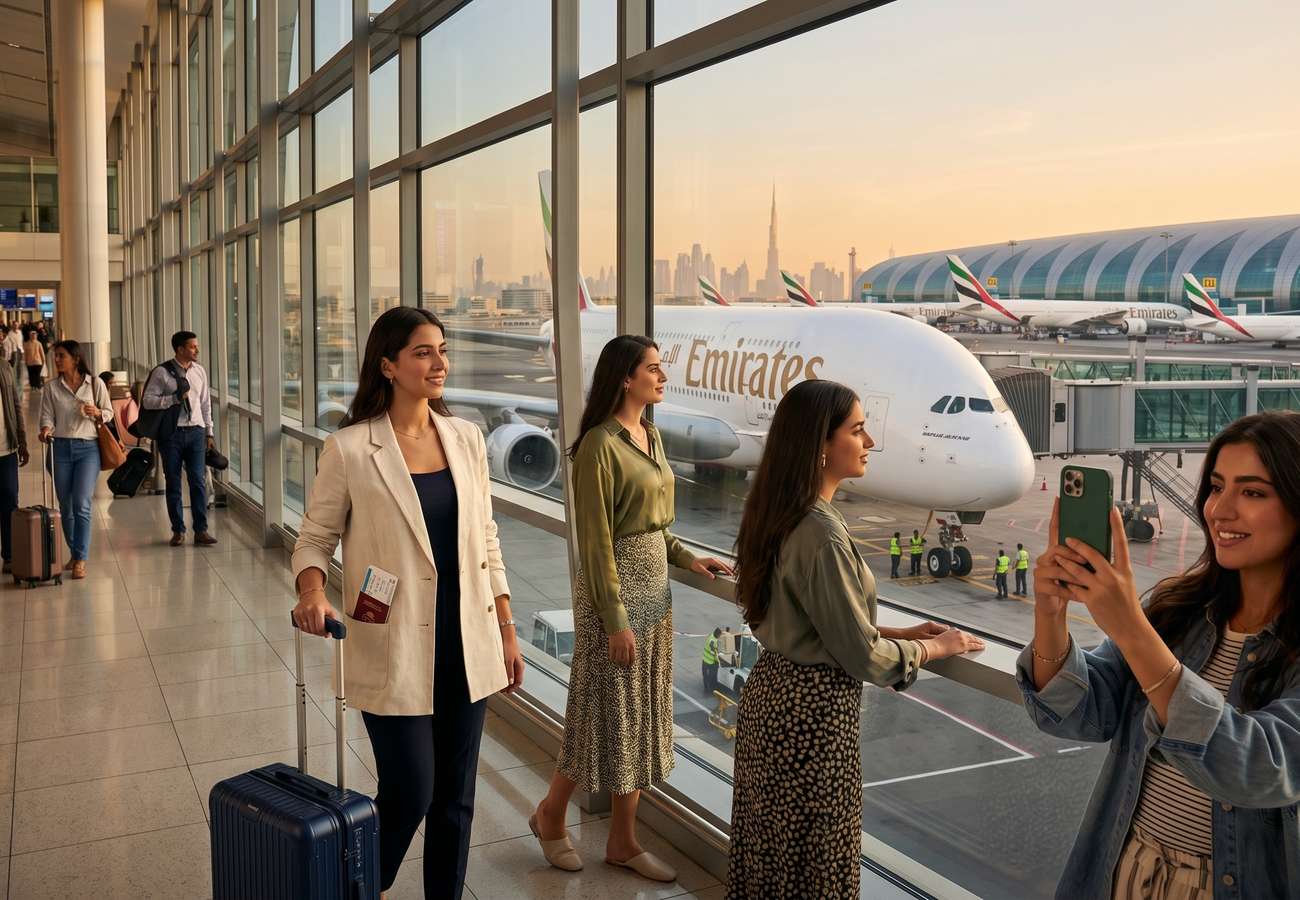
Image generated by AI
American Airlines will resume daily nonstop service between Chicago O’Hare (ORD) and Tokyo Narita (NRT) starting March 27, 2027. This move ends a seven-year absence from the route and intensifies the capacity battle for transpacific connectivity at O'Hare.
The restoration of this service marks American's 11th long-haul international route from its Chicago hub. The airline previously operated this link from 1998 until January 2020, when it was removed from the schedule shortly before the global pandemic caused widespread industry retrenchment.
Flight Operations and Aircraft Specifications
The route will be operated by the Boeing 787-9 Dreamliner, featuring a total capacity of 305 seats. Passengers should note that this specific aircraft configuration utilizes the earlier-generation Flagship Business product rather than the newer Flagship Suite with privacy doors.
Flight Schedule and Logistics
| Flight | Route | Departure | Arrival | Flight Time |
|---|---|---|---|---|
| AA153 | Chicago (ORD) $\rightarrow$ Tokyo (NRT) | 12:45 PM | 3:30 PM (+1 day) | 12h 45m |
| AA154 | Tokyo (NRT) $\rightarrow$ Chicago (ORD) | 5:50 PM | 3:10 PM | 11h 20m |
Cabin Configuration
- Flagship Business: 30 seats
- Premium Economy: 21 seats
- Economy: 254 seats
Strategic Hub Analysis: The O'Hare Competitive Landscape
Our analysis indicates an escalating struggle for dominance at Chicago O'Hare between American and United Airlines. While United has expanded its footprint with a record-breaking 2026 departure schedule, American is countering by reclaiming key international corridors.
Once American's service begins in March 2027, and coinciding with United's own new Narita service, O'Hare will host up to six daily nonstop flights to Tokyo.
Tokyo Capacity from ORD (Projected 2027)
- Japan Airlines: 2 daily (Narita/Haneda)
- All Nippon Airways: 2 daily
- United Airlines: 1 daily
- American Airlines: 1 daily
The decision to utilize Tokyo Narita (NRT) instead of Haneda (HND) is a strategic move linked to the Pacific Joint Business agreement with Japan Airlines. Narita serves as the primary international connecting hub for JAL, allowing American passengers seamless single-ticket transfers to Bangkok, Singapore, Taipei, and Ho Chi Minh City.
Passenger Rights & Advisory (Information Gain)
For travelers planning to book this route or those experiencing disruptions on existing transpacific flights, the following regulatory frameworks apply:
Booking and Ticketing Tickets are expected to load approximately 331 days prior to the March 27, 2027 launch. AAdvantage members should verify their systemwide upgrade eligibility for the 787-9 configuration once the flights are open for sale.
Compensation and Rebooking Rights Since this route involves a U.S. carrier and an international destination, passengers are protected by U.S. Department of Transportation (DOT) guidelines and, where applicable, Japanese aviation policies:
- Cancellations: If the carrier cancels a flight, passengers are entitled to a full refund of the unused portion of the ticket, regardless of whether the ticket was "non-refundable."
- Significant Delays: Under DOT rules, passengers may be entitled to a refund if a flight is significantly delayed or changed, provided the passenger chooses not to travel on the alternative offered.
- Duty of Care: While EU261 does not apply to flights departing from the U.S. to Japan, the Pacific Joint Business agreement often aligns service standards. Passengers should request written confirmation of hotel and meal vouchers in the event of an overnight mechanical delay.
- Baggage Claims: International travel to Japan is governed by the Montreal Convention, which establishes liability limits for lost, damaged, or delayed luggage.
Industry Analyst View
The restoration of the ORD-NRT route is a clear signal that American Airlines is shifting from a period of pandemic-era contraction to aggressive hub growth. By reintegrating this route, American is not merely adding a destination but is securing a critical feed into the Oneworld network in Asia.
The competitive pressure from United Airlines at O'Hare has forced American to prioritize high-yield, long-haul routes to prevent a monopoly on transpacific traffic from the Midwest. The reliance on the Boeing 787-9 provides the necessary fuel efficiency for this 6,272-mile journey, though the use of older cabin interiors may be a point of contention for premium travelers compared to the newer suites deployed by competitors.
Operational success for this route will depend on the seamless integration of the Japan Airlines partnership and the ability to attract high-value corporate traffic returning to the Chicago-Tokyo corridor.
Related Travel Guides
Disclaimer
This article is for informational and educational purposes only. It does not constitute legal, financial, or professional advice. While we strive to provide accurate and up-to-date information, travel policies, regulations, and conditions change rapidly. Always verify information with official sources before making travel decisions. Nomad Lawyer makes no representations about the accuracy, reliability, completeness, or suitability of the information provided. Readers should consult qualified professionals for advice specific to their circumstances. The views expressed in this article are those of the author and do not necessarily reflect the views of Nomad Lawyer.
Raushan Kumar
Founder & Lead Developer
Full-stack developer with 11+ years of experience and a passionate traveller. Raushan built Nomad Lawyer from the ground up with a vision to create the best travel and law experience on the web.
Learn more about our team →