
A-10 Warthog Fairchild Republic Design Prioritizes Pilot Safety in 2026
The Fairchild Republic A-10 Warthog's distinctive design revolutionizes military aviation safety through advanced armor and redundant systems. In 2026, its pilot-centric engineering principles influence commercial aircraft development globally.

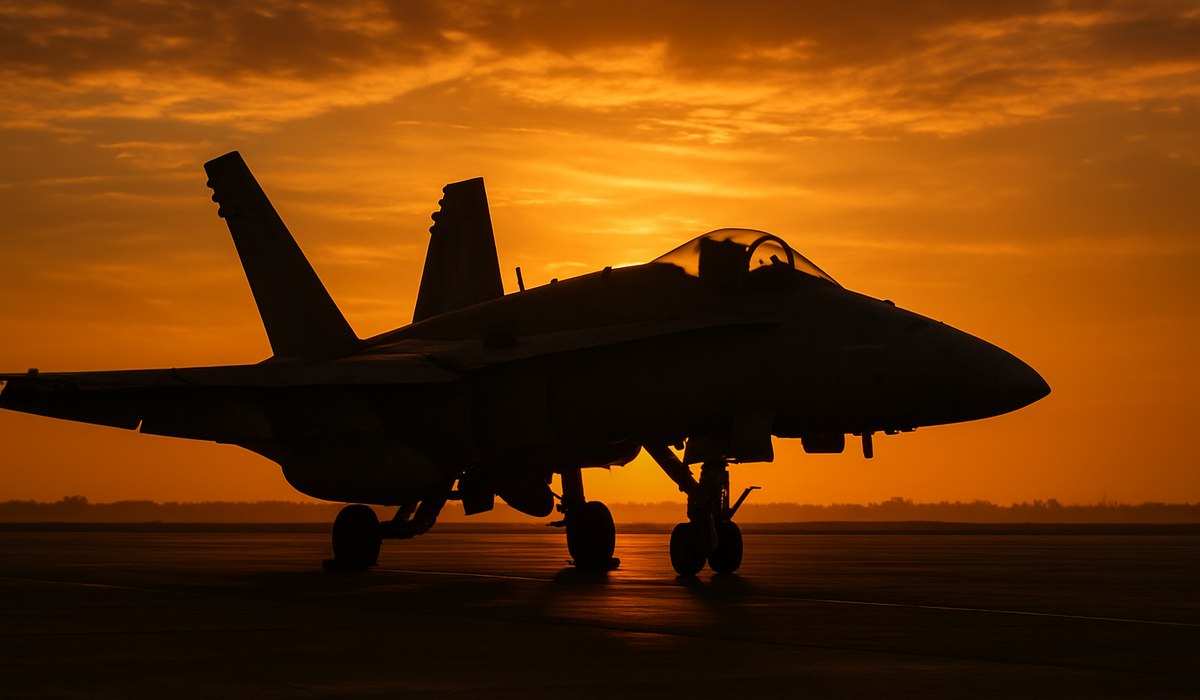
Image generated by AI
The A-10 Warthog: A Masterclass in Pilot-Centric Aviation Design
The Fairchild Republic A-10 Warthog remains one of the most visually distinctive military aircraft ever designed. Its unmistakable silhouette—featuring twin turbofan engines mounted high on the fuselage, a muscular fuselage, and the legendary seven-barreled GAU-8 Gatling gun beneath its nose—makes it instantly recognizable on any airfield worldwide. But beyond its imposing appearance, the Warthog's genius lies in its unwavering commitment to pilot survivability. This remarkable aircraft demonstrates how human-centered engineering principles, when prioritized above aesthetics, create machines that protect those who operate them. Modern aviation, both military and commercial, increasingly adopts these survival-focused design philosophies.
Iconic Design and Recognition
The Warthog Fairchild Republic airframe was engineered from inception with a singular purpose: close air support during ground operations. Its unconventional aesthetic—often described as deliberately unglamorous—reflects functional priorities. The engines' elevated positioning, the robust fuselage cross-section, and the nose-mounted cannon all serve specific protective functions rather than purely operational ones.
This design philosophy contrasts sharply with sleeker jet fighters that prioritize speed and aesthetics. The A-10's creators understood that survivability requires visible, tangible protection measures. Pilots operating the Warthog Fairchild Republic aircraft benefit from design choices that are immediately apparent: a wide, reinforced cockpit, substantial structural integrity, and systems distributed across the airframe for redundancy. Modern commercial aircraft manufacturers increasingly study these principles, integrating pilot-centric design elements into newer generation cockpit systems and safety architectures.
Armor and Protection Systems
Perhaps the most remarkable feature of the Warthog Fairchild Republic design is its titanium armor protection. The cockpit area is encased in titanium armor plating measuring approximately 1.5 inches thick—sufficient to withstand direct hits from most ground-based weaponry encountered during close air support missions. This approach represents a dramatic departure from unarmored fighter designs, where aerodynamic efficiency traditionally supersedes ballistic protection.
The armor's strategic placement around critical systems reflects advanced understanding of vulnerability assessment. Rather than coating the entire aircraft, engineers concentrated protection where it matters most: the pilot, essential hydraulic systems, and flight control components. This targeted approach minimizes weight penalties while maximizing survival probability. The fuselage itself incorporates self-sealing fuel tanks and redundant hydraulic systems positioned to survive catastrophic damage. Commercial aviation authorities, including the FAA, now reference such armor design principles when establishing cockpit reinforcement standards for new aircraft certifications.
Redundancy in Critical Systems
The Warthog Fairchild Republic aircraft exemplifies the principle that no single system failure should compromise pilot survival. Every critical flight control—hydraulic systems, flight surfaces, and engine operations—features complete redundancy. Should one hydraulic system sustain damage, three additional independent systems remain operational.
This redundancy extends to engine design and placement. The twin engines, positioned far apart on elevated pylons, ensure that damage to one engine rarely affects the other. Pilots have repeatedly returned to base with one engine completely destroyed or extensive fuselage damage that would ground most aircraft. The aircraft can fly, turn, and land on a single engine—a capability born from redundancy-first design philosophy. Flight control surfaces feature duplicate systems, and even the landing gear incorporates backup mechanical systems independent of hydraulic power. Modern commercial aircraft increasingly incorporate such redundant architecture, with FlightAware tracking data showing how advanced safety systems enable aircraft to complete flights despite system failures that would have grounded earlier generations.
Combat Performance and Durability
The Warthog Fairchild Republic design prioritizes durability over raw performance metrics. Its maximum speed of approximately 420 miles per hour appears modest compared to modern fighters, yet this characteristic reflects intentional engineering. Lower speeds reduce structural stress, extend airframe lifespan, and allow pilots greater response time during dangerous ground-level operations.
The landing gear, reinforced for unprepared airfield operations, exemplifies this philosophy. The aircraft can operate from damaged runways, austere locations, and rough terrain—capabilities absent in faster, more delicate aircraft designs. This combination of protection, redundancy, and durability has enabled the Warthog Fairchild Republic to remain operationally relevant for over five decades. Modern aviation supply chain analysts note that this longevity reduces fleet replacement costs significantly compared to aircraft requiring frequent retirement. The lessons apply to commercial aviation as well: designing for durability and repairability extends asset lifespan and ultimately reduces passenger transportation costs.
Key Data Table: A-10 Warthog Specifications and Safety Features
| Feature | Specification | Safety Impact |
|---|---|---|
| Cockpit Armor | 1.5-inch titanium plating | Protects pilot from ground fire |
| Hydraulic Systems | Four independent systems | Single system failure non-critical |
| Engine Configuration | Twin turbofans, elevated pylons | Survivable single-engine operations |
| Maximum Speed | 420 mph | Reduces structural stress, increases response time |
| Fuel Tank Design | Self-sealing construction | Reduces fire hazard from combat damage |
| Flight Control Redundancy | Fully duplicate systems | Multiple failure points tolerated |
| Operational Range | 800+ miles | Extends mission capability with safety margin |
| Service Life | 50+ years | Demonstrates durability of protective design |
What This Means for Travelers
While the Warthog Fairchild Republic operates exclusively in military contexts, its design principles increasingly influence commercial aviation safety standards affecting all passengers. Airlines and manufacturers investing in redundant systems, armored cockpits, and durability-focused engineering create safer travel experiences globally.
Actionable traveler considerations:
-
Research aircraft type before booking flights; newer generation aircraft incorporate A-10 design principles like cockpit reinforcement and system redundancy that enhance safety margins.
-
Review airline safety records through US DOT databases to identify carriers investing in modern, redundancy-rich aircraft architectures.
-
Understand that modest performance specifications sometimes indicate safety-first design philosophy—commercial aircraft optimized for efficiency and redundancy prioritize survival over speed.
-
Monitor manufacturer safety updates, as Airbus and Boeing increasingly integrate lessons from military aviation design into civilian aircraft upgrades.
-
Support airline investment in aging fleet modernization, as older aircraft lack redundant systems standard in contemporary designs influenced by military aviation principles.
FAQ
Q: How does the A-10 Warthog's armor protect pilots differently than other military aircraft?
A: The Warthog Fairchild Republic features 1.5-inch titanium cockpit armor—substantially thicker than competitors. This protection philosophy prioritizes pilot survival above aircraft performance, enabling operations in high-threat environments. Most modern fighters sacrifice armor for speed; the Warthog reverses this priority entirely.
Q: What redundancy systems make the Warthog uniquely survivable?
A: The Warthog Fairchild Republic incorporates four independent hydraulic systems, duplicate flight controls, and twin engines positioned to survive single-engine loss. This redundancy-first philosophy means pilots can return to base despite damage that would cripple conventional aircraft designs.
Q: How do A-10 design principles influence commercial aviation safety today?
A: Modern commercial aircraft increasingly feature armored cockpits, redundant flight systems, and durability-focused engineering inspired by W
Disclaimer
This article is for informational and educational purposes only. It does not constitute legal, financial, or professional advice. While we strive to provide accurate and up-to-date information, travel policies, regulations, and conditions change rapidly. Always verify information with official sources before making travel decisions. Nomad Lawyer makes no representations about the accuracy, reliability, completeness, or suitability of the information provided. Readers should consult qualified professionals for advice specific to their circumstances. The views expressed in this article are those of the author and do not necessarily reflect the views of Nomad Lawyer.
Preeti Gunjan
Contributor & Community Manager
A passionate traveller and community builder. Preeti helps grow the Nomad Lawyer community, fostering engagement and bringing the reader experience to life.
Learn more about our team →