
United Airlines Boeing 737 Successfully Takes Off Despite Massive Bee Swarm on Wing
Breaking airline news and aviation industry updates for 2026.

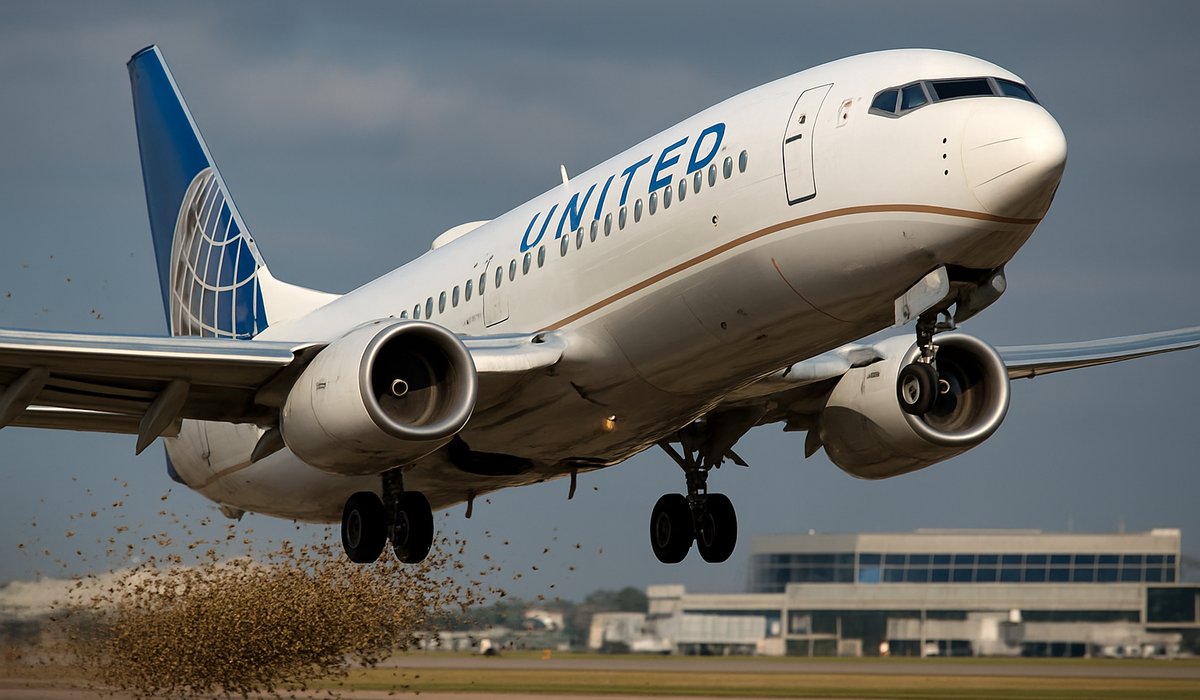
Image generated by AI
United Airlines Boeing 737 Successfully Takes Off Despite Massive Bee Swarm on Wing
A dramatic wildlife encounter at Cancun airport highlights the unpredictable challenges facing modern aviation operations
The Unexpected Encounter
A United Airlines Boeing 737 faced an extraordinary delay at Cancun International Airport when thousands of bees descended on the aircraft's wing, forcing ground crews into a tense standoff before safely clearing the swarm and executing a normal takeoff.
The incident, while unusual, underscores the operational complexities that aviation teams must navigate beyond mechanical failures and fuel price fluctuations. Wildlife interference remains a persistent challenge for airlines operating in tropical regions, where seasonal bee populations pose occasional threats to flight operations.
How Ground Crews Responded
United Airlines personnel worked methodically to address the biological obstacle without endangering passengers or the aircraft. Rather than using aggressive deterrents that could provoke the swarm, airport ground crews employed measured tactics to encourage the bees to vacate the wing naturally.
The aircraft remained grounded during the operation, with passengers awaiting clearance from the flight deck. Once wildlife experts and maintenance personnel confirmed the swarm had dispersed sufficiently, the captain initiated standard pre-flight procedures and successfully departed Cancun airspace.
A Growing Concern for Global Airlines
While bee swarms remain relatively rare flight disruptions compared to mechanical issues or severe weather delays, they represent a broader category of wildlife-related aviation challenges. Airlines operating between North America and Caribbean destinations frequently encounter seasonal insect activity during peak travel months.
The incident occurred amid a period when carriers like United continue managing elevated operational costs, including volatile jet fuel prices that have shaped pricing structures across the industry. Environmental factors—whether weather, wildlife, or fuel market volatility—ultimately cascade into passenger impacts through schedule delays or adjusted baggage charges to offset increased operational expenses.
Return to Normal Operations
Following the successful bee clearance, the Boeing 737 proceeded with its scheduled departure without further incident. United Airlines did not report any passenger injuries or aircraft damage resulting from the encounter.
The airline has not released detailed statements regarding the specific circumstances or response protocols activated during the event, though such incidents typically trigger post-incident reviews to refine wildlife management procedures at affected airports.
Broader Industry Implications
This incident serves as a reminder that aviation safety encompasses far more than mechanical systems and human factors. Ground operations teams at international airports must remain vigilant against environmental variables that emerge with minimal warning.
For travelers, such delays—while inconvenient—represent aviation's multi-layered safety approach. Whether addressing bee swarms at tropical hubs or managing baggage handling during peak seasons, the industry prioritizes systematic responses over expedited departures.
Frequently Asked Questions
What caused the United Airlines delay in Cancun? A swarm of bees gathered on the Boeing 737's wing, requiring ground crews to safely disperse the insects before the aircraft could proceed with takeoff procedures.
How do airports handle wildlife interference with aircraft? Ground personnel use non-aggressive deterrent methods to encourage wildlife dispersal, prioritizing both passenger safety and animal welfare before flight operations resume.
Are bee swarms common aviation obstacles? While relatively uncommon compared to weather delays or mechanical issues, wildlife incidents occur periodically at airports in tropical regions during seasonal activity peaks.
Did the bee swarm delay affect passengers or baggage operations? The incident caused schedule delays but resulted in no reported injuries or aircraft damage. Baggage handling and passenger services proceeded normally once the swarm cleared.
Which airlines most frequently encounter wildlife disruptions? Carriers operating Caribbean, Central American, and tropical Asian routes report the highest frequency of wildlife-related operational challenges during peak seasons.
Related Travel Guides
-
Delta's Diamond Status Revolution: How Spending—Not Flying—Now Defines Elite Membership in 2026
-
Ticket Price Hikes Fail to Dampen Summer 2026 Air Travel Demand
External Resources
Disclaimer
This article is for informational and educational purposes only. It does not constitute legal, financial, or professional advice. While we strive to provide accurate and up-to-date information, travel policies, regulations, and conditions change rapidly. Always verify information with official sources before making travel decisions. Nomad Lawyer makes no representations about the accuracy, reliability, completeness, or suitability of the information provided. Readers should consult qualified professionals for advice specific to their circumstances. The views expressed in this article are those of the author and do not necessarily reflect the views of Nomad Lawyer.
Kunal K Choudhary
Co-Founder & Contributor
A passionate traveller and tech enthusiast. Kunal contributes to the vision and growth of Nomad Lawyer, bringing fresh perspectives and driving the community forward.
Learn more about our team →