
Australia's Fighter Pilot Crisis: Why Six-Figure Military Salaries Can't Stop the Exodus
Breaking airline news and aviation industry updates for 2026.

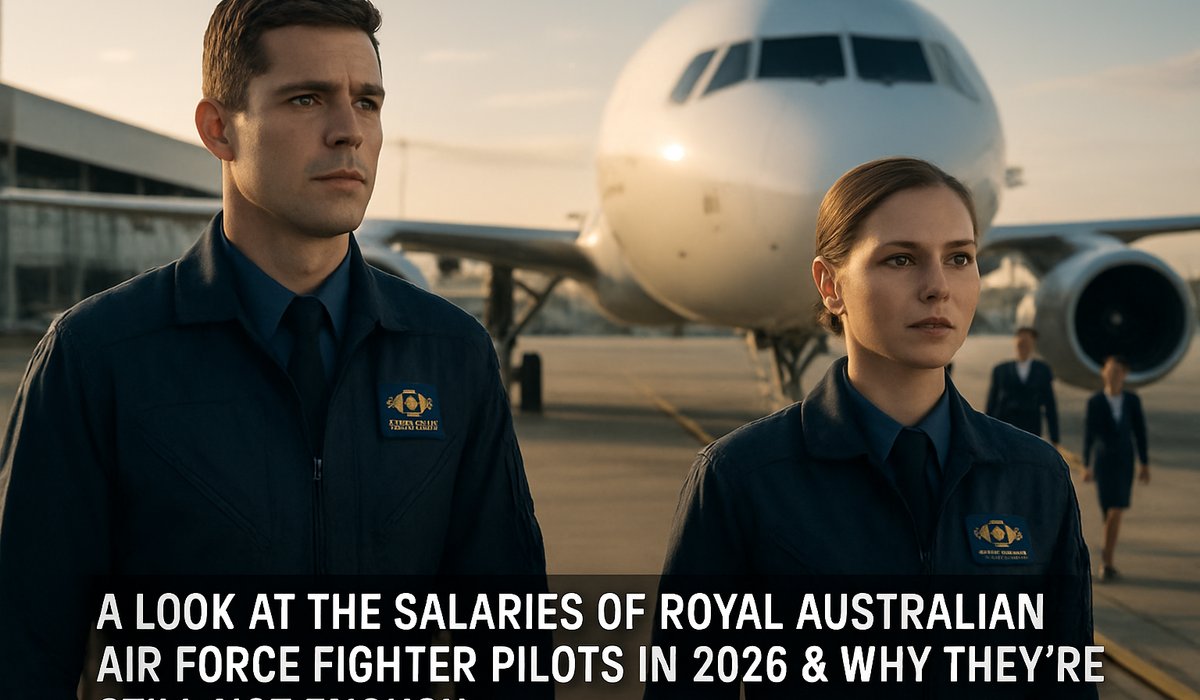
Image generated by AI
Australia's Fighter Pilot Crisis: Why Six-Figure Military Salaries Can't Stop the Exodus
RAAF struggles to retain elite combat aviators despite competitive compensation as commercial aviation and defense contractors poach skilled pilots
The Retention Challenge Facing Australia's Defense Forces
Australia's Royal Australian Air Force faces a critical staffing crisis as experienced fighter pilots commanding some of the Indo-Pacific's most sophisticated military aircraft continue departing for lucrative civilian and defense-sector opportunities. Despite offering competitive base salaries approaching A$180,000 annually for seasoned aviators in 2026—supplemented by flying allowances, deployment bonuses, and enhanced military superannuation packages—the RAAF cannot stem the flow of elite talent leaving its ranks.
The challenge underscores a broader global phenomenon: the intensifying competition for skilled aviation professionals as commercial airlines expand operations and private defense contractors offer increasingly attractive compensation packages.
Compensation Package Details
Experienced RAAF pilots operating advanced platforms such as Lockheed Martin's F-35A Lightning II and Boeing's F/A-18F Super Hornet command total remuneration packages well above their base salary figures. Beyond the A$180,000 baseline, military aviators receive substantial allowances for flight operations, overseas deployments, and enhanced superannuation contributions that collectively push total annual compensation into a more competitive range.
However, industry analysts suggest these figures remain insufficient when compared to commercial aviation opportunities, particularly as major international carriers seek to rebuild pilot rosters following pandemic-related workforce reductions.
Why Military Pay Alone Isn't Winning
The retention crisis reflects deeper structural issues within defense recruitment and compensation frameworks. Commercial airlines, operating in a buoyant post-pandemic market with expanding route networks, can offer flexible career progression, international rosters, and lifestyle advantages that military service cannot replicate. Additionally, private defense contractors increasingly recruit military-trained pilots for specialized aviation roles at premium rates.
For career aviators who have invested years mastering complex military platforms, the financial opportunity cost of remaining in uniform has become acute. The disparity widens when considering long-term earning potential and civilian sector mobility.
Broader Implications for Regional Security
Australia's pilot shortage carries significant strategic implications for Indo-Pacific defense capabilities. The RAAF's operational readiness depends on maintaining experienced personnel across its fighter fleet during a period of heightened regional security attention. Recruitment difficulties could constrain the service's ability to sustain combat-ready squadrons and respond to emerging threats.
Defense officials acknowledge the challenge but face budgetary constraints that limit their ability to unilaterally raise military compensation without broader public-sector wage implications.
Frequently Asked Questions
Q: What is the average salary for RAAF fighter pilots in 2026? A: Experienced combat aviators earn approximately A$180,000 base salary, with total compensation packages including allowances and superannuation significantly exceeding this figure.
Q: Why are pilots leaving the Australian military? A: Commercial airlines and private defense contractors offer competitive or superior compensation, enhanced lifestyle flexibility, and greater long-term earning potential, creating financial incentives for experienced aviators to transition sectors.
Q: How does RAAF pilot pay compare to international military standards? A: While competitive within the region, Australian military salaries face disadvantages against commercial aviation opportunities and some allied nation defense budgets offering higher compensation.
Q: What aircraft do RAAF fighter pilots operate? A: Primary platforms include the Lockheed Martin F-35A Lightning II and Boeing F/A-18F Super Hornet, both requiring extensive specialized training.
Q: What are the strategic consequences of the pilot shortage? A: Staffing challenges could impact squadron readiness, operational capabilities, and Australia's defense posture during a period of increased Indo-Pacific strategic competition.
Related Travel Guides
Disclaimer
This article is for informational and educational purposes only. It does not constitute legal, financial, or professional advice. While we strive to provide accurate and up-to-date information, travel policies, regulations, and conditions change rapidly. Always verify information with official sources before making travel decisions. Nomad Lawyer makes no representations about the accuracy, reliability, completeness, or suitability of the information provided. Readers should consult qualified professionals for advice specific to their circumstances. The views expressed in this article are those of the author and do not necessarily reflect the views of Nomad Lawyer.
Kunal K Choudhary
Co-Founder & Contributor
A passionate traveller and tech enthusiast. Kunal contributes to the vision and growth of Nomad Lawyer, bringing fresh perspectives and driving the community forward.
Learn more about our team →