Alaska Airlines Launches Historic 8-Hour Nonstop Route Between Anchorage and Boston Using Boeing 737 MAX

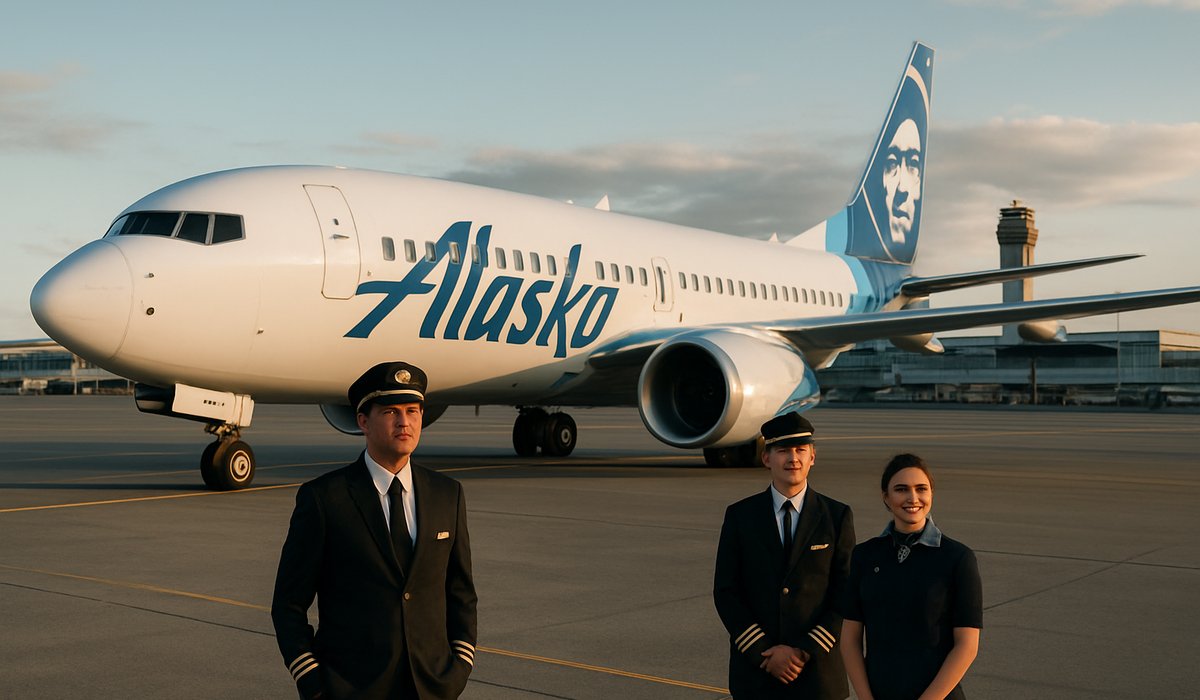
Image generated by AI
The carrier's longest domestic 737 MAX flight opens direct travel corridor between Alaska and New England for summer season
New Route Marks Significant Expansion of Alaska Airlines' Long-Haul Network
Alaska Airlines has inaugurated nonstop service connecting Anchorage to Boston Logan International Airport, marking a breakthrough expansion in the carrier's domestic long-haul operations. The new route commenced operations on June 13, establishing the first direct air corridor between Alaska's largest hub and the New England region.
Operating exclusively with the Boeing 737 MAX 8 aircraft, the service runs on a weekly schedule through mid-August, with the eastbound journey from Boston to Anchorage clocking approximately 7 hours and 53 minutes—positioning it among Alaska Airlines' most extended single-aisle flights this calendar year.
Strategic Implications for Alaska's Route Network
The introduction of this transcontinental service represents a strategic push by Alaska Airlines to maximize the extended-range capabilities of its modern 737 MAX fleet. The aircraft's enhanced fuel efficiency and passenger capacity enable the carrier to operate longer routes that were previously unviable with legacy narrow-body jets.
Industry analysts view the launch as part of broader industry trends where carriers increasingly deploy fuel-efficient aircraft to unlock secondary and tertiary markets, bypassing traditional hub-and-spoke models. This operational flexibility has become essential as airlines navigate fluctuating jet fuel prices and competitive pressure on domestic routes.
Summer-Season Capacity Play
The seasonal scheduling through August 15 suggests Alaska Airlines is testing market demand during peak travel months, a common strategy used by carriers to evaluate route viability before committing to year-round service. Summer represents the strongest demand period for both leisure and business travel on domestic routes, providing optimal conditions for assessing passenger appetite for this connection.
The route addresses a connectivity gap for travelers in the Pacific Northwest and Alaska seeking direct access to Boston and northeastern markets without requiring connections through major continental hubs.
Broader Industry Context
The deployment reflects industry-wide efforts to optimize aircraft utilization as carriers recover from pandemic-era disruptions. Airlines have increasingly recognized that modern, efficient narrowbody aircraft can economically support extended-range domestic flights, expanding options beyond traditional long-haul widebody operations.
Fuel cost management remains central to such route launches. The 737 MAX's 20% improvement in fuel consumption compared to previous-generation 737 models provides carriers with the margin necessary to operate profitably on longer domestic sectors where traditional narrowbody economics would prove challenging.
Alaska Airlines' investment in 737 MAX expansion continues to position the carrier as an aggressive modernizer, particularly as competitors evaluate their own fleet strategies amid ongoing uncertainties in fuel markets and post-pandemic travel patterns.
Frequently Asked Questions
What is the flight duration on Alaska Airlines' new Anchorage-Boston route? The eastbound flight from Boston to Anchorage is scheduled for approximately 7 hours and 53 minutes, making it one of Alaska Airlines' longest domestic flights using the Boeing 737 MAX 8 aircraft.
How long will Alaska Airlines operate this nonstop service? The route launched June 13 and operates weekly through August 15, indicating a seasonal summer schedule during peak travel demand periods.
Why can the 737 MAX operate such long domestic routes? The Boeing 737 MAX 8 offers extended range capabilities and superior fuel efficiency (approximately 20% better than legacy models), enabling economical operation on longer domestic flights that would be unprofitable with older narrowbody aircraft.
Is this route permanent or seasonal? Currently, service is scheduled as a seasonal summer offering. Alaska Airlines will likely evaluate demand data to determine whether to expand operations into fall and winter months or establish year-round service.
What does this route expansion mean for airline baggage fees and travel costs? Expanded route capacity typically increases competition and may moderate fare growth, though baggage fees and ancillary charges remain independent of route-specific decisions and follow airline-wide fee structures.
Related Travel Guides
-
[Understanding Airline Nomenclature: Why Carriers Choose ](/air-vs-airlines-vs-airways-what-s-the-difference)
-
Travel India China: IndiGo, Air China Resume Direct Flights 2026
External Resources
This article is for informational purposes. Flight routes, passenger regulations, visa rules, and transit advisories are subject to change by airlines and aviation authorities. Readers are advised to verify schedules and travel documentation with relevant carriers and border agencies before departure.
Related Stories

Alaska Airlines Expands Anchorage Hub with Nonstop Flights to Tokyo Narita, Dallas, Austin, and Nashville for Summer 2027
Brazil Nears 100 Million Air Passengers in 2026 Amid Divergent Global Aviation Growth