
Air Canada Expands Transatlantic Ambitions with Extended Boeing 737 MAX 8 Network Reaching Eight-Hour Nonstop Flights
Breaking airline news and aviation industry updates for 2026.

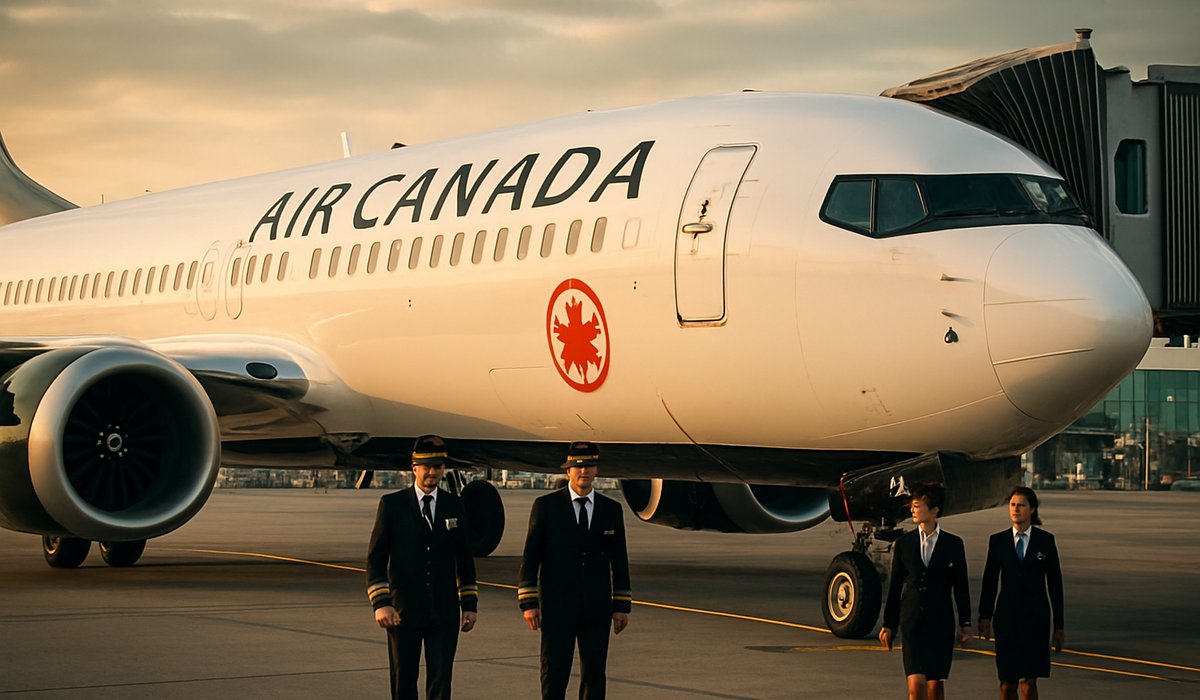
Image generated by AI
Air Canada Expands Transatlantic Ambitions with Extended Boeing 737 MAX 8 Network Reaching Eight-Hour Nonstop Flights
Canadian carrier prepares to deploy narrowbody jets on longest routes in fleet history, signaling shift in long-haul aviation strategy
Major Route Expansion Underway
Air Canada is preparing for a significant operational milestone, announcing plans to deploy its Boeing 737 MAX 8 aircraft on an unprecedented series of extended-range flights beginning in the second half of 2026. The initiative will see the Canadian carrier operate approximately 10 new routes stretching toward the eight-hour nonstop flight threshold, representing a bold strategic pivot in how the airline approaches long-haul connectivity.
Schedule data obtained from industry analysts covering the June-through-December 2026 period reveals Air Canada's intention to balance transatlantic services with leisure-focused long-haul destinations across its 737 MAX 8 operations. The expansion underscores the growing capability and commercial viability of modern narrowbody aircraft in competing against traditional widebody jets on extended international routes.
Narrowbody Aircraft Reshaping Long-Haul Travel
The development reflects a broader industry transformation in which fuel-efficient narrowbody jets are increasingly being leveraged for routes previously reserved for larger widebody aircraft. Air Canada's strategic deployment highlights the competitive advantages offered by the 737 MAX 8's advanced aerodynamics, reduced operating costs, and enhanced fuel economy—factors that have made extended-range narrowbody flying economically viable.
The carrier has positioned the 737 MAX 8 as a cornerstone of its international expansion strategy, enabling the airline to deploy capacity on point-to-point routes that might not justify widebody aircraft deployment while maintaining profitability and passenger comfort standards.
Strategic Implications for Aviation Industry
This expansion carries significant implications for the broader aviation sector, particularly regarding fleet utilization and route planning post-pandemic. Airlines worldwide have increasingly recognized that modern narrowbody technology can effectively serve leisure travelers and business passengers on longer routes, reducing reliance on expensive widebody fleets and increasing overall network flexibility.
Air Canada's commitment to extended 737 MAX 8 operations suggests growing confidence in the aircraft's reliability following previous technical challenges that grounded the global fleet. The Canadian carrier's strategic embrace of the platform demonstrates how manufacturers and operators have successfully restored market confidence in the technology.
Market Context and Operational Benefits
The timing of Air Canada's expansion coincides with industry recovery patterns and sustained demand for transatlantic travel. By deploying narrowbody jets on these extended routes, the carrier can optimize capacity allocation, reduce per-seat operating costs, and maintain competitive pricing pressure in crowded transatlantic markets—particularly relevant given ongoing volatility in jet fuel prices affecting airline profitability across the sector.
Frequently Asked Questions
What routes will Air Canada's 737 MAX 8 serve on these extended flights? Air Canada's schedule data indicates a mix of transatlantic services and long-haul leisure destinations, though specific route pairs have not yet been fully disclosed by the airline.
How does the 737 MAX 8 compare to widebody aircraft for long-haul flights? The 737 MAX 8 offers superior fuel efficiency and lower operating costs per seat, making it economically competitive on extended routes while carrying fewer passengers than widebody jets.
Will passengers experience different comfort levels on 8-hour narrowbody flights? While narrowbody cabins are narrower than widebody aircraft, modern cabin enhancements and passenger amenities can provide comparable comfort for flights under approximately nine hours.
How do airline baggage fees and seat selection charges impact these longer flights? Extended flights typically command higher base fares, which may offset ancillary revenue opportunities, though airlines generally maintain consistent baggage and seat selection pricing structures across flight lengths.
Why are airlines investing in extended-range narrowbody operations? Modern narrowbody aircraft like the 737 MAX 8 reduce jet fuel consumption and operating expenses significantly, allowing carriers to profitably serve routes that wouldn't sustain traditional widebody deployment while improving overall fleet utilization and network efficiency.
Related Travel Guides
Flight Delay Compensation Guide 2026
Understanding Airline Route Changes
Airport Security Process Updated (2026)
External Resources
Disclaimer
This article is for informational and educational purposes only. It does not constitute legal, financial, or professional advice. While we strive to provide accurate and up-to-date information, travel policies, regulations, and conditions change rapidly. Always verify information with official sources before making travel decisions. Nomad Lawyer makes no representations about the accuracy, reliability, completeness, or suitability of the information provided. Readers should consult qualified professionals for advice specific to their circumstances. The views expressed in this article are those of the author and do not necessarily reflect the views of Nomad Lawyer.
Raushan Kumar
Founder & Lead Developer
Full-stack developer with 11+ years of experience and a passionate traveller. Raushan built Nomad Lawyer from the ground up with a vision to create the best travel and law experience on the web.
Learn more about our team →