
Delta's Nigeria Flight Returns After 8-Hour Atlantic Detour: What Went Wrong
Breaking airline news and aviation industry updates for 2026.

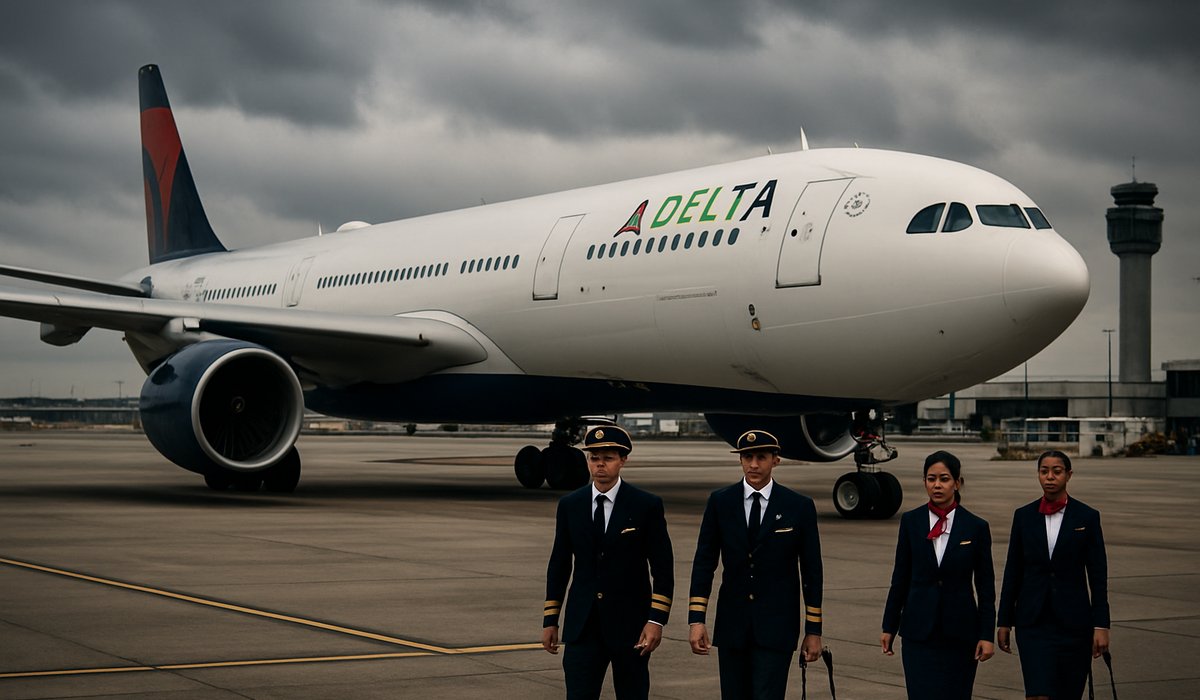
Image generated by AI
Delta's Nigeria Flight Returns After 8-Hour Atlantic Detour: What Went Wrong
A transatlantic diversion highlights operational challenges facing major U.S. carriers on long-haul African routes
A Delta Air Lines Airbus A330 abruptly reversed course over the Atlantic Ocean on May 9, forcing nearly 300 passengers to abandon an eight-hour journey to Nigeria and return to their departure point in Atlanta. The unexpected diversion of flight DL54 underscores mounting operational pressures facing major U.S. carriers operating extended international routes, particularly as airlines navigate post-pandemic capacity challenges and aging aircraft maintenance demands.
The Mid-Atlantic Turnaround
Flight DL54 departed Hartsfield-Jackson Atlanta International Airport bound for Murtala Muhammed International Airport in Lagos, one of Africa's busiest aviation hubs. Approximately four hours into the transatlantic crossing, crew members identified what Delta characterized as "operational issues" requiring immediate return to base. The aircraft executed a U-turn, consuming another four hours of fuel and flight time to safely land back in Atlanta—effectively erasing an entire workday for stranded passengers.
The airline did not provide specific technical details regarding the nature of the operational problem, maintaining standard industry protocol of limiting public disclosure on mechanical or safety-related matters. However, aviation experts note that mid-flight diversions on this scale typically indicate either mechanical anomalies, pressurization concerns, or system failures that warrant inspection before resuming transatlantic operations.
Impact on Passengers and Route Operations
Passengers faced the dual frustration of reaching their turnaround point without progressing toward their destination, raising questions about Delta's contingency planning for long-haul African routes. The incident occurred amid heightened focus on airline reliability metrics, particularly as carriers struggle with maintenance backlogs and supply chain disruptions affecting spare parts availability.
Delta operates a limited but strategically important schedule to West Africa, where the Lagos route serves as a critical gateway for business travel and diaspora connections. Extended diversions on these routes can cascade operational disruptions across an airline's African network.
Broader Industry Implications
The incident reflects structural challenges within transatlantic aviation: aging wide-body fleets approaching major maintenance cycles, supply chain constraints, and the operational complexity of ultra-long-range flights. As fuel prices remain elevated compared to pre-pandemic levels, airlines face pressure to maintain aging aircraft longer—potentially increasing the probability of mid-flight technical issues.
Delta subsequently repositioned passengers through alternative routing, though the carrier did not immediately disclose whether affected travelers received compensation or rebooking details.
Frequently Asked Questions
Q: What causes airlines to divert mid-flight on transatlantic routes? A: Technical issues including mechanical failures, pressurization problems, hydraulic system malfunctions, or crew medical emergencies typically trigger diversions. Safety protocols mandate immediate return if any system falls below operational thresholds.
Q: Are passengers entitled to compensation for transatlantic flight diversions? A: Compensation eligibility depends on jurisdiction. EU Regulation 261/2004 provides passenger rights for EU/UK flights, while U.S. domestic rules offer limited protections. International flights operate under Warsaw Convention guidelines, typically capping liability.
Q: How often do transatlantic flights experience mid-journey diversions? A: Diversions remain statistically rare—approximately 0.1-0.2% of transatlantic operations. However, aging aircraft and supply chain disruptions have marginally increased diversion frequency since 2022.
Q: Do airlines pay fuel costs for diverted flights? A: Yes. Airlines absorb the financial burden of unscheduled fuel consumption, crew expenses, and passenger accommodations, making diversions costly operational events.
Q: Why don't airlines provide specific technical details about diversions? A: Regulatory agencies restrict disclosure pending investigation completion. Detailed public statements could expose airlines to litigation and may compromise safety investigations conducted by federal authorities.
Related Travel Guides
Flight Delay Compensation Guide 2026
Understanding Airline Route Changes
Airport Security Process Updated (2026)
External Resources
Disclaimer
This article is for informational and educational purposes only. It does not constitute legal, financial, or professional advice. While we strive to provide accurate and up-to-date information, travel policies, regulations, and conditions change rapidly. Always verify information with official sources before making travel decisions. Nomad Lawyer makes no representations about the accuracy, reliability, completeness, or suitability of the information provided. Readers should consult qualified professionals for advice specific to their circumstances. The views expressed in this article are those of the author and do not necessarily reflect the views of Nomad Lawyer.
Raushan Kumar
Founder & Lead Developer
Full-stack developer with 11+ years of experience and a passionate traveller. Raushan built Nomad Lawyer from the ground up with a vision to create the best travel and law experience on the web.
Learn more about our team →