
Last of an Era: Why Six Global Trade Routes Still Depend on the Aging Boeing 747 Freighter
Breaking airline news and aviation industry updates for 2026.

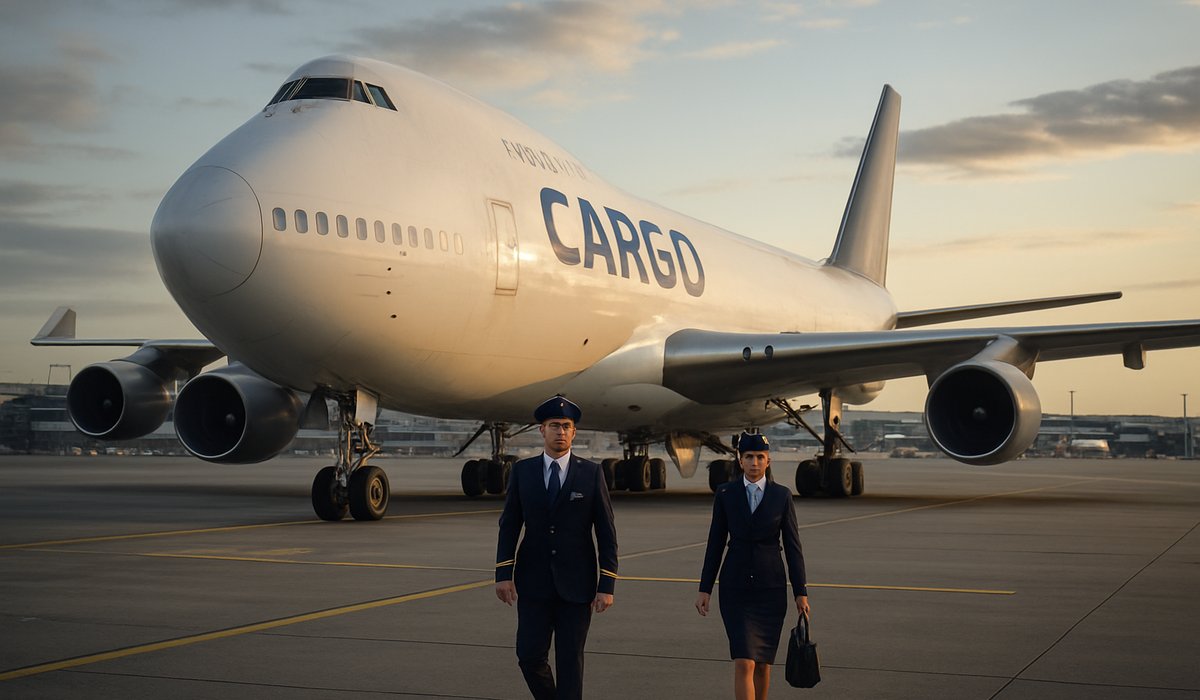
Image generated by AI
Last of an Era: Why Six Global Trade Routes Still Depend on the Aging Boeing 747 Freighter
As production winds down on iconic cargo jets, airlines face critical decisions on fleet modernization amid stricter emissions rules and limited aircraft options
The Cargo Aircraft Crisis: Dwindling Options Force Airlines to Cling to Aging 747s
The aviation industry faces an unexpected bottleneck as six critical international cargo routes continue to rely heavily on the Boeing 747 freighter—a decision driven by a severe shortage of viable alternatives in the narrowing cargo aircraft market. With fuel-efficient new models still years away from full deployment and existing options rapidly approaching the end of their production runs, cargo operators worldwide are caught between aging fleets and an increasingly limited menu of viable replacements.
The Problem: Limited Alternatives in a Constrained Market
The landscape for cargo aircraft procurement has contracted sharply. Airlines seeking to modernize their freighter operations face a troubling reality: the available options are dwindling precisely when demand for air cargo capacity remains robust.
Currently, cargo operators can acquire the Boeing 767-300F and the 777F—both aircraft engineered for fuel efficiency and performance. However, both models face imminent production cessation, driven largely by stringent international emissions regulations and carbon reduction mandates that have tightened across North American and European airspace.
"The window for acquiring these aircraft is closing rapidly," industry analysts warn, as manufacturers prepare to phase out existing cargo platforms to meet environmental compliance standards.
The Long Wait for Next-Generation Solutions
Relief appears distant on the horizon. Airbus is developing the A350F, while Boeing is engineering the 777-8F, yet both aircraft remain years away from commercial deployment and widespread availability. This temporal gap has created a critical vulnerability in global supply chains, particularly affecting international trade routes where cargo capacity remains essential for everything from e-commerce fulfillment to pharmaceutical distribution.
The gap between retirement of older aircraft and arrival of new-generation replacements has inadvertently extended the operational lifespan of aircraft like the 747 freighter—platforms that operators would otherwise have retired.
A Temporary Reprieve Masking Deeper Industry Challenges
Airlines operating those six routes dependent on 747 cargo conversions are essentially navigating a holding pattern. While purchasing used passenger aircraft and converting them to freighter configuration remains technically viable, this stopgap approach postpones the inevitable reckoning over fleet modernization and carbon footprint reduction.
As environmental regulations intensify globally and fuel costs fluctuate with geopolitical tensions, the economics of maintaining older cargo aircraft become increasingly precarious.
FAQ: Cargo Aircraft and Aviation's Future
Q: Why are cargo aircraft options so limited compared to passenger jets? A: The cargo market is significantly smaller than the passenger segment, making development investments riskier for manufacturers. Additionally, strict emissions regulations are accelerating the retirement of older platforms faster than new models can enter service.
Q: Will the Boeing 777-8F solve the cargo capacity shortage? A: The 777-8F will help, but multi-year production timelines mean cargo operators will experience supply constraints until 2026-2027 at earliest.
Q: Are converted passenger aircraft a long-term solution? A: No. Conversions serve as temporary measures while offering inferior fuel efficiency compared to purpose-built freighters, increasing operational costs.
Q: How do fuel prices impact cargo airline decisions? A: Rising jet fuel costs make operating older, less efficient aircraft economically painful, yet lack of alternatives forces operators to maintain aging fleets longer than desired.
Q: Which routes most depend on 747 cargo operations? A: International routes involving high-volume shipments—particularly Asia-to-North America and Europe-to-Asia corridors—rely most heavily on remaining 747 freighter capacity.
Related Travel Guides
- Chicago Joins Bloomington-Normal, Kalamazoo, Champaign-Urbana, La Crosse, Rochester and More Cities Connecting New Airline Routes with United Airlines This Summer Season: Complete Destination & Route Expansion Guide
- Hundreds Delayed Fort Lauderdale as 149 Flights Disrupted April 11
- Kuwait Airport Flight Delays Cancellations Jazeera Kuwaitairways
Disclaimer
This article is for informational and educational purposes only. It does not constitute legal, financial, or professional advice. While we strive to provide accurate and up-to-date information, travel policies, regulations, and conditions change rapidly. Always verify information with official sources before making travel decisions. Nomad Lawyer makes no representations about the accuracy, reliability, completeness, or suitability of the information provided. Readers should consult qualified professionals for advice specific to their circumstances. The views expressed in this article are those of the author and do not necessarily reflect the views of Nomad Lawyer.
Preeti Gunjan
Contributor & Community Manager
A passionate traveller and community builder. Preeti helps grow the Nomad Lawyer community, fostering engagement and bringing the reader experience to life.
Learn more about our team →