
Luxury Airlines Transform First Class Into Private Sky Suites: The 2026 Revolution in Ultra-Premium Travel
Breaking airline news and aviation industry updates for 2026.

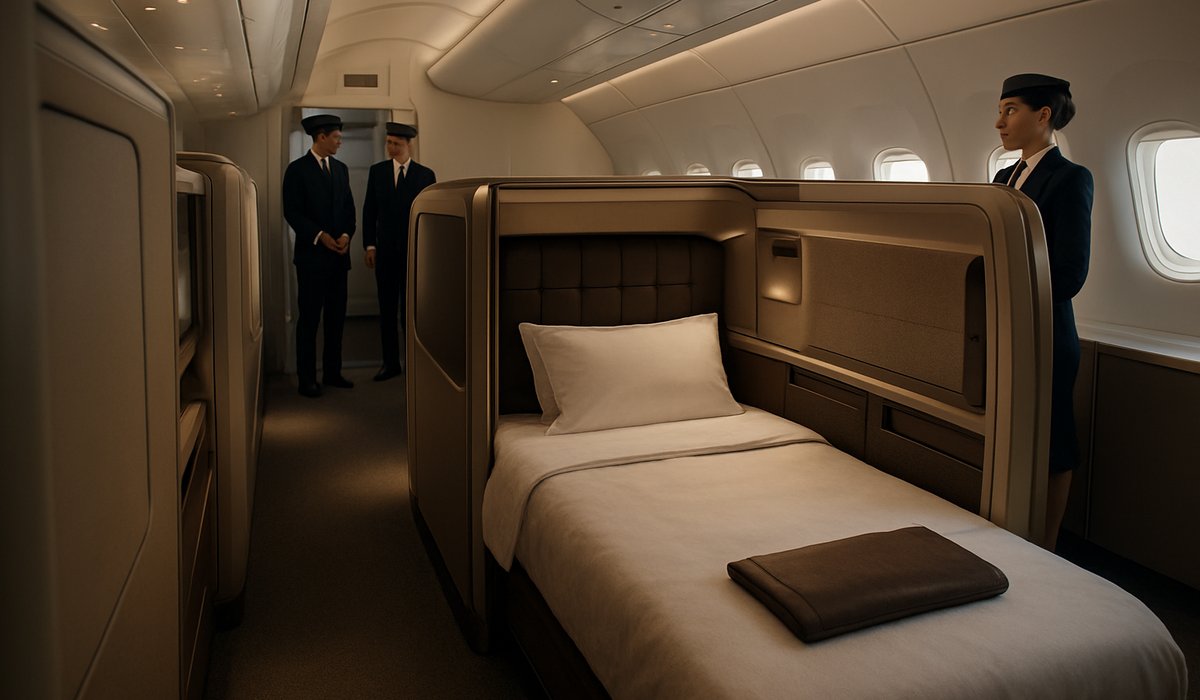
Image generated by AI
Luxury Airlines Transform First Class Into Private Sky Suites: The 2026 Revolution in Ultra-Premium Travel
As carriers compete for ultra-high-net-worth passengers, first class cabins shrink dramatically while individual suite sizes expand to apartment-like proportions
The Privatization of Premium Air Travel
The first class experience has fundamentally transformed. What was once defined by superior service and reclining seats has evolved into something far more exclusive: private suites with dedicated spaces that rival boutique hotel rooms at cruising altitude. Major international carriers are now reimagining their most premium offerings, creating isolated cabin environments that cater exclusively to passengers willing to pay premium fares for genuine solitude and privacy.
This shift reflects a broader industry trend toward exclusivity over volume. Airlines have made a deliberate strategic choice to reduce first class seating capacity significantly—many dropping from 12-16 seats per aircraft to just four to six—fundamentally altering the economics and experience of ultra-premium flying.
Space Redefines Luxury in the Skies
The physical footprint allocated to each first class passenger has expanded dramatically. Modern suites now encompass up to 50 square feet per traveler—roughly 4.6 square meters—creating personal havens that dwarf traditional business class accommodations by a factor of several times over.
This expansion in individual space comes as airlines have strategically reallocated cabin real estate. The square footage reclaimed by reducing first class seating capacity has largely been redirected toward expanding business class sections, allowing carriers to generate additional revenue streams while maintaining their luxury positioning.
Industry-Wide Competitive Pressure
The competitive landscape among global carriers has intensified around premium cabin design. Airlines recognize that affluent travelers increasingly demand more than amenities—they seek complete privacy and personal space. This architectural redesign represents a fundamental repositioning of first class from a seating category into a genuine accommodation experience.
The shift aligns with post-pandemic travel patterns, where high-net-worth individuals prioritize isolation, hygiene, and personal space over traditional markers of luxury like caviar service or champagne selections.
Market Implications for Premium Aviation
The evolution toward smaller, larger first class configurations has profound implications for airline revenue strategies. By reducing capacity in favor of higher per-seat pricing power, carriers can potentially improve profitability margins despite lower passenger volumes.
This model also creates distinct market segmentation: ultra-premium first class suites for the wealthy elite, expanded business class for affluent corporate travelers, and standard cabin configurations for general passengers—allowing airlines to capture revenue across multiple tiers of the traveling public.
FAQ: First Class Suites and Premium Aviation Trends
What defines modern first class suites versus traditional business class? Contemporary first class suites now average 50 square feet per passenger with fully enclosed or semi-private configurations, compared to business class seats that typically occupy 6-8 square feet. Many feature doors, separate shower spas, or dedicated lounging areas.
Why are airlines reducing first class seating capacity? Carriers prioritize per-seat profitability and exclusivity over volume. Fewer seats allow for larger individual spaces, higher pricing power, and a more intimate experience that appeals to ultra-high-net-worth clientele.
How does first class cabin reduction affect overall aircraft economics? The space reclaimed from smaller first class sections typically expands business class capacity, allowing airlines to generate additional premium revenue while maintaining luxury positioning in their fleet.
Which airlines lead in first class suite innovation for 2026? Multiple international carriers have invested substantially in suite-based configurations, though specific airlines continue developing next-generation premium products.
Are first class suite fares justified by the added space and privacy? Premium pricing reflects not just physical space but also personalized service, meal quality, ground amenities, and the exclusivity factor—elements that command significant value among elite travelers.
Related Travel Guides
Flight Delay Compensation Guide 2026
Understanding Airline Route Changes
Airport Security Process Updated (2026)
External Resources
Disclaimer
This article is for informational and educational purposes only. It does not constitute legal, financial, or professional advice. While we strive to provide accurate and up-to-date information, travel policies, regulations, and conditions change rapidly. Always verify information with official sources before making travel decisions. Nomad Lawyer makes no representations about the accuracy, reliability, completeness, or suitability of the information provided. Readers should consult qualified professionals for advice specific to their circumstances. The views expressed in this article are those of the author and do not necessarily reflect the views of Nomad Lawyer.
Kunal K Choudhary
Co-Founder & Contributor
A passionate traveller and tech enthusiast. Kunal contributes to the vision and growth of Nomad Lawyer, bringing fresh perspectives and driving the community forward.
Learn more about our team →