
10 Most Affordable Neighborhoods in Seattle, WA, for Renters
10 Most Affordable Neighborhoods in Seattle, WA, for Renters

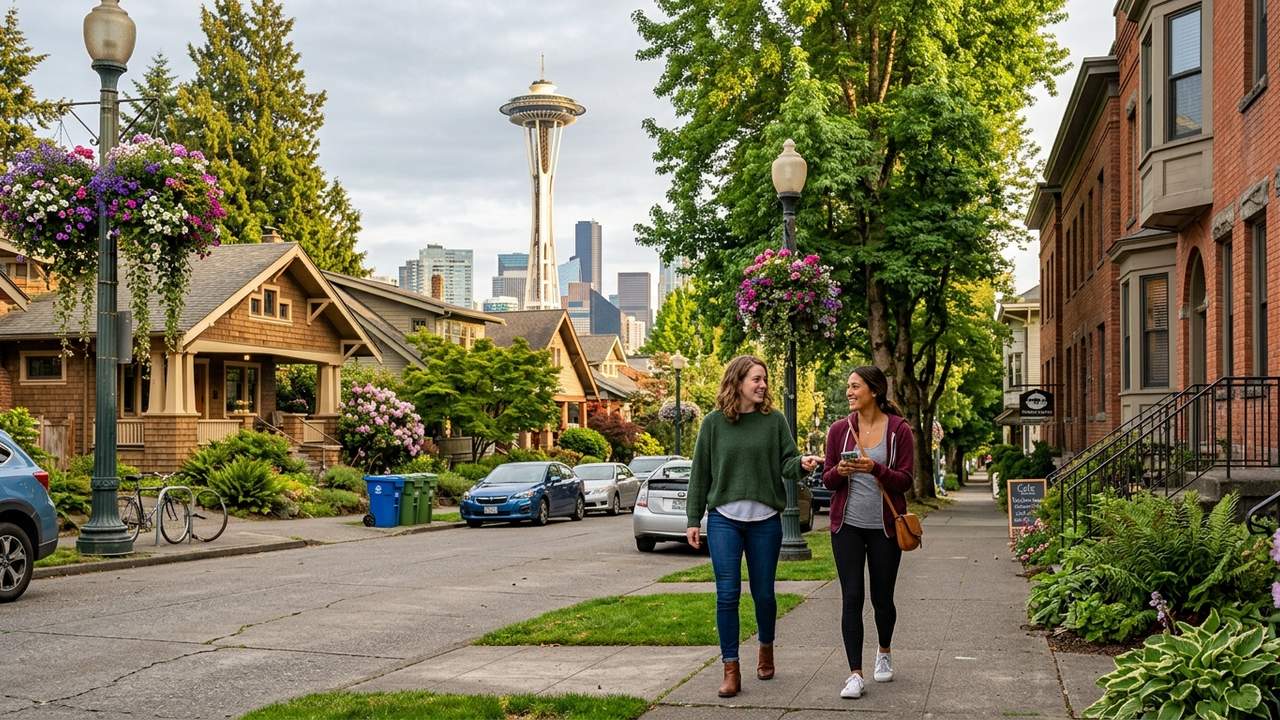
Image generated by AI
[Seattle, June 2, 2026] — Seattle affordable neighborhoods are experiencing a measurable shift in June 2026, as rental data reveals ten distinct districts offering monthly one-bedroom leases well below the citywide average of $2,103. Housing analysts and market observers note that these corridors, spanning from North Seattle to the Central Area, provide tenants with median home values ranging from $422,500 to $975,000 while maintaining robust public transit networks. Industry reports indicate that prospective residents are increasingly prioritizing these zones to balance cost efficiency with direct access to major employment hubs and regional transportation arteries.
The Pacific Northwest’s largest metropolitan area has long navigated elevated housing costs, prompting a steady migration toward peripheral districts with established infrastructure and competitive pricing. Recent housing surveys show that while the metropolitan average for a one-bedroom apartment remains high, specific residential zones are delivering measurable cost advantages without sacrificing connectivity to downtown commercial centers. Market trackers attribute this trend to a combination of localized supply adjustments, strategic transit expansions, and shifting commuter preferences that favor walkable corridors over purely suburban expansion.
Bryn Mawr-Skyway Delivers Suburban Quiet With Direct Southside Commuter Routes
Located just south of the municipal boundary between Renton and Seattle, Bryn Mawr-Skyway functions as a residential hub that balances neighborhood tranquility with rapid regional access. Market data places the average one-bedroom lease in this district at $1,473 monthly, significantly undercutting the metropolitan benchmark. Property valuations in the area currently sit at a median of $700,000, reflecting steady demand from professionals seeking quieter surroundings without sacrificing daily convenience.
Local infrastructure supports an active lifestyle, with Lakeridge Park and the renowned Kubota Garden providing extensive green space and cultivated landscapes. The adjacent Lake Washington shoreline offers dedicated pathways for cycling and pedestrian traffic, while Gene Coulon Memorial Beach Park and Seward Park remain easily reachable for weekend recreation. Municipal planners have prioritized these recreational zones, ensuring consistent community programming and seasonal gatherings that strengthen neighborhood cohesion.
Transit connectivity remains a primary draw for this corridor. King County Metro bus lines route residents directly toward Downtown Seattle and neighboring municipalities, while Renton Avenue South serves as the central commercial spine. Drivers utilize I-5, I-405, and State Route 90 for rapid regional movement, and the Seattle-Tacoma International Airport falls within a manageable driving radius for frequent travelers.
Bitter Lake Combines Historic Waterfront Features With Northside Transit Hubs
Situated in North Seattle, Bitter Lake merges quiet residential streets with bustling commercial arteries, anchoring itself around a central freshwater lake that gives the district its identity. Housing reports list the typical one-bedroom rental price at $1,494 per month, offering a distinct pricing advantage over denser urban cores. The median property assessment for homes in this zone stands at $650,000, attracting buyers and renters who value established infrastructure and straightforward commuting options.
Community programming centers around the Bitter Lake Community Center, which coordinates fitness classes, recreational leagues, and civic events throughout the year. The Interurban Trail cuts through the area, providing a paved corridor for runners and cyclists, while Bitter Lake Reservoir Park delivers additional open space and ecological viewing opportunities. Aurora Avenue North transforms into a daily commercial corridor, hosting grocery retailers, independent eateries, and essential service providers that reduce the need for long commutes.
Transportation networks prioritize efficiency in this northern district. Aurora Avenue North, designated as State Route 99, functions as the primary north-south artery connecting residents to the city center and points beyond. King County Metro routes service the neighborhood extensively, and Northgate Station provides direct access to Sound Transit Link light rail. Interstate 5 remains quickly accessible, streamlining commutes for professionals working across the Puget Sound region.
Lake City Sustains Established Commercial Corridors With Mixed-Use Housing Growth
Recognized as one of North Seattle’s most mature residential zones, Lake City delivers a diverse inventory of housing stock ranging from mid-century apartment complexes to contemporary mixed-use developments. The average monthly rent for a one-bedroom unit in this area registers at $1,507, while median home valuations reach $865,000. Market analysts highlight the neighborhood’s walkable commercial core as a key driver of sustained rental demand.
Lake City Way Northeast operates as the district’s commercial heart, featuring independent restaurants, specialty bakeries, and locally operated retail shops. The seasonal Lake City Farmers Market draws consistent crowds, reinforcing local food networks and community interaction. Outdoor recreation remains highly accessible, with Matthews Beach Park and Meadowbrook Pond offering shoreline views and wetland trails. The Burke Gilman Trail and Magnuson Park extend these recreational options, hosting public art displays and neighborhood festivals that animate the area year-round.
Transit infrastructure supports both daily commuting and regional exploration. Multiple King County Metro bus lines traverse the commercial corridor, linking residents to the University District and Northgate. Lake City Way Northeast and Interstate 5 facilitate rapid vehicular travel, while Northgate and Roosevelt stations provide light rail access for commuters avoiding peak traffic congestion.
Pinehurst Maintains Residential Character Near Central North Seattle Employment Centers
Positioned between Northgate and Lake City, Pinehurst functions primarily as a quiet residential enclave that benefits from expanding nearby amenities and straightforward transit links. Housing data indicates a typical one-bedroom lease cost of $1,543 monthly, with median property values holding steady at $700,000. Observers note that the district’s central positioning allows residents to maintain a low-key lifestyle while accessing professional opportunities across the northern sector.
Northacres Park serves as the neighborhood’s primary recreational anchor, featuring wooded trails, expansive lawns, and designated walking routes. Nearby Jackson Park Golf Course adds recreational depth, offering maintained fairways, pedestrian pathways, and open green space. The adjacent Northgate district continues to expand its retail and dining footprint, providing residents with consistent access to entertainment and commercial services without disrupting the area’s residential tranquility.
Highway connectivity and public transit converge in this zone. Interstate 5 provides immediate regional access, while King County Metro bus routes deliver consistent service to Northgate Station. From that transit hub, Sound Transit Link light rail routes connect commuters directly to Downtown Seattle, Capitol Hill, the University District, and the international airport, creating a highly integrated transportation ecosystem.
North College Park Bridges Municipal Boundaries With Tree-Lined Residential Streets
Nestled near Seattle’s northern edge, North College Park offers a residential environment that straddles the line between Seattle and Shoreline, appealing to renters seeking balanced pricing and consistent infrastructure. The average one-bedroom apartment in this district rents for $1,608 monthly, while median home values rest at $677,500. Market trackers emphasize the area’s concentration of tree-lined streets and community parks as key retention factors.
Outdoor recreation centers on Licton Springs Park and Northacres Park, both of which provide expansive green space and walking paths for daily exercise. Northgate Station functions as a major commercial and entertainment hub, housing retail chains, fitness centers, and dining establishments that serve the broader northern community. Proximity to Shoreline expands recreational and culinary options, while local libraries and community centers reinforce civic engagement and daily convenience.
Commuting remains highly efficient across this corridor. Interstate 5 delivers rapid access to the city center and regional destinations, while King County Metro bus routes ensure consistent neighborhood coverage. Northgate Station’s Sound Transit Link service provides a reliable alternative to driving, allowing professionals to bypass traffic congestion while maintaining direct connections to employment districts.
Chinatown Preserves Cultural Heritage While Offering Central Urban Transit Access
Recognized as one of Seattle’s oldest and most historically significant districts, Chinatown operates as a cultural and commercial focal point that blends historic architecture with modern residential developments. Rental data shows a typical one-bedroom lease at $1,774 monthly, accompanied by a median home value of $422,500, making it one of the most accessible urban zones for property buyers. The neighborhood’s compact layout and central positioning attract residents who prioritize walkability and transit connectivity.
Cultural institutions and commercial enterprises define the daily experience here. Hing Hay Park serves as a civic gathering space that hosts traditional festivals and community celebrations throughout the year. The Wing Luke Museum preserves regional Asian American history, while nearby sports stadiums draw consistent crowds for athletic events. Residents maintain walking access to Pioneer Square, the waterfront district, and Downtown Seattle, reinforcing the area’s urban convenience.
Transit infrastructure operates at a high capacity in this central zone. Multiple Sound Transit Link light rail lines intersect the neighborhood, complemented by King County Metro bus routes and Sounder commuter rail services. Interstate 5, Interstate 90, and State Route 99 provide immediate vehicular access, ensuring rapid movement across the metropolitan region.
University District Leverages Academic Infrastructure With High-Density Rental Inventory
Centered around the University of Washington campus, the University District delivers one of the city’s most active and densely populated residential markets. Average monthly rents for one-bedroom units reach $1,786, while median property values stand at $750,000. Housing analysts note that the concentration of academic institutions, student housing, and mixed-use developments creates a dynamic rental environment that appeals to professionals and postgraduate residents alike.
University Way Northeast, widely recognized as “The Ave,” functions as a commercial and cultural artery lined with independent bookstores, specialty cafes, and grocery retailers. The university campus itself hosts public lectures, athletic competitions, and cultural performances that enrich the neighborhood’s daily rhythm. Cowen Park and Ravenna Park provide extensive trail networks and wooded green space, while the Burke-Gilman Trail and Portage Bay waterfront offer direct access to recreational waterways and cycling routes.
Public transit integration defines this district’s infrastructure. The University District Station and University of Washington Station anchor the Sound Transit Link light rail network, delivering consistent service to Downtown Seattle and the airport. King County Metro routes extend coverage throughout the metropolitan area, and Interstate 5 runs along the western boundary, facilitating rapid regional travel.
Mt. Baker Combines Historic Architecture With Lakefront Recreation Corridors
Known for its preserved residential architecture and direct proximity to Lake Washington, Mt. Baker delivers a balanced living environment that merges historic charm with modern transit accessibility. The average one-bedroom lease in this area registers at $1,856 monthly, while median home valuations reach $975,000, reflecting strong demand from renters seeking established neighborhoods with premium location advantages.
Recreational infrastructure centers on Lake Washington Boulevard, which provides dedicated lanes for cycling, running, and scenic driving. Mount Baker Park and Colman Park deliver waterfront access, landscaped gardens, and open green space that attract daily visitors. The neighborhood maintains a concentration of local eateries and independent businesses, while adjacent Columbia City and the Central District expand dining and entertainment options within a short radius.
Transit connectivity remains highly optimized for this southern district. Mount Baker Station anchors the light rail network, linking residents directly to Downtown Seattle, the University District, and the international airport. King County Metro routes supplement rail service, and Interstate 90 provides seamless east-west travel across the Puget Sound region.
Atlantic Delivers Central Urban Convenience With Proximity to Major Park Systems
Positioned east of the Downtown core, Atlantic functions as a historically rooted residential district that offers straightforward access to employment centers and municipal recreational facilities. Housing reports indicate a typical one-bedroom rental rate of $1,909 per month, with median property values holding at $739,000. Market observers highlight the neighborhood’s pedestrian-friendly layout and consistent commercial activity as key retention drivers.
Judkins Park serves as the district’s primary recreational anchor, featuring athletic fields, open lawns, and community sports facilities. Nearby commercial corridors host independent restaurants and specialty coffee shops that cater to daily commuter needs. The area’s central positioning provides quick access to cultural institutions, entertainment venues, and civic events throughout the Central Area and Downtown Seattle, while local parks encourage consistent outdoor activity.
Transportation networks prioritize multi-modal commuting in this zone. Sound Transit Link light rail stations and extensive King County Metro routes ensure consistent transit availability. Interstate 90 and Interstate 5 remain easily accessible for vehicular travel, while the neighborhood’s compact street grid supports efficient walking and cycling for routine daily trips.
Minor Maintains Compact Urban Footprint With Direct Capitol Hill Transit Links
Operating as a small but strategically located district within Seattle’s Central Area, Minor delivers centralized access to employment hubs, recreational spaces, and commercial enterprises. Average monthly rents for one-bedroom units reach $1,935, while median home values sit at $850,000. Housing trackers note that the neighborhood’s compact size and high walkability make it particularly attractive to professionals seeking urban convenience without suburban commutes.
Residential life centers around Pratt Park and adjacent Central District green spaces, providing accessible outdoor recreation for daily exercise and community gatherings. Local restaurants, cafes, and civic centers sustain a vibrant neighborhood atmosphere, while the nearby Capitol Hill district expands dining, nightlife, and entertainment options within a short walking distance. The area’s layout encourages residents to utilize local amenities for routine daily needs.
Transit infrastructure delivers highly efficient connectivity across the metropolitan region. King County Metro bus routes provide direct service to Downtown Seattle, Capitol Hill, and the University District. Nearby Sound Transit Link stations extend regional rail access, and Interstate 5 remains a short drive away, ensuring rapid commuting options for professionals working across the broader Puget Sound corridor.
| Neighborhood | Avg 1-Bed Rent | Median Home Value | Key Transit & Regional Access |
|---|---|---|---|
| Bryn Mawr-Skyway | $1,473/month | $700,000 | King County Metro, I-5, I-405, SR 90, SEA Airport |
| Bitter Lake | $1,494/month | $650,000 | Aurora Ave N (SR 99), Northgate Station (Link Light Rail), I-5 |
| Lake City | $1,507/month | $865,000 | Lake City Way NE, I-5, Northgate/Roosevelt (Link Light Rail) |
| Pinehurst | $1,543/month | $700,000 | I-5, Northgate Station (Link Light Rail), King County Metro |
| North College Park | $1,608/month | $677,500 | I-5, Northgate Station (Link Light Rail), King County Metro |
| Chinatown | $1,774/month | $422,500 | Link Light Rail, Sounder Commuter Rail, I-5, I-90, SR 99 |
| University District | $1,786/month | $750,000 | U District/UW Station (Link Light Rail), I-5, King County Metro |
| Mt. Baker | $1,856/month | $975,000 | Mount Baker Station (Link Light Rail), I-90, King County Metro |
| Atlantic | $1,909/month | $739,000 | Link Light Rail, I-90, I-5, King County Metro |
| Minor | $1,935/month | $850,000 | King County Metro, Link Light Rail stations, I-5 |
The consolidation of affordable rental inventory across these ten districts signals a broader market adjustment that extends beyond simple pricing metrics. Housing economists observe that when neighborhoods maintain rents below the metropolitan average while preserving robust transit infrastructure, they attract a more stable tenant demographic that reduces turnover rates and supports local commercial viability. Municipal planners are responding to this shift by prioritizing transit-oriented development and zoning modifications that encourage mixed-income housing near existing rail and bus corridors. The resulting market dynamic places downward pressure on speculative pricing in adjacent zones, forcing developers to align construction pipelines with actual wage growth and commuter behavior patterns rather than historical appreciation trajectories.
Market indicators suggest that Seattle’s housing landscape will continue to normalize as transit expansions mature and residential supply adjusts to shifting demographic demands. Tenants who prioritize connectivity over proximity to the central business district are likely to capture long-term financial stability, while developers who integrate affordable units into transit-rich corridors will capture sustained occupancy rates. The next phase of urban housing development will hinge on balancing construction costs with realistic rental ceilings, ensuring that these accessible neighborhoods remain viable for working professionals and emerging residents alike.
Seattle affordable neighborhoods 2026: 10 districts with below-average 1-bedroom rent, median home values, and direct transit access for renters and buyers.
Related Travel Guides
Disclaimer
This article is for informational and educational purposes only. It does not constitute legal, financial, or professional advice. While we strive to provide accurate and up-to-date information, travel policies, regulations, and conditions change rapidly. Always verify information with official sources before making travel decisions. Nomad Lawyer makes no representations about the accuracy, reliability, completeness, or suitability of the information provided. Readers should consult qualified professionals for advice specific to their circumstances. The views expressed in this article are those of the author and do not necessarily reflect the views of Nomad Lawyer.
Raushan Kumar
Founder & Lead Developer
Full-stack developer with 11+ years of experience and a passionate traveller. Raushan built Nomad Lawyer from the ground up with a vision to create the best travel and law experience on the web.
Learn more about our team →