
Top 10 Summer Destinations in India 2026: Expert Guide to Escaping the Heat
Avoid extreme heat with our analysis of the 10 best places to visit in summer in India, ranging from the high-altitude deserts of Ladakh to the coastal retreats of the Andaman Islands.

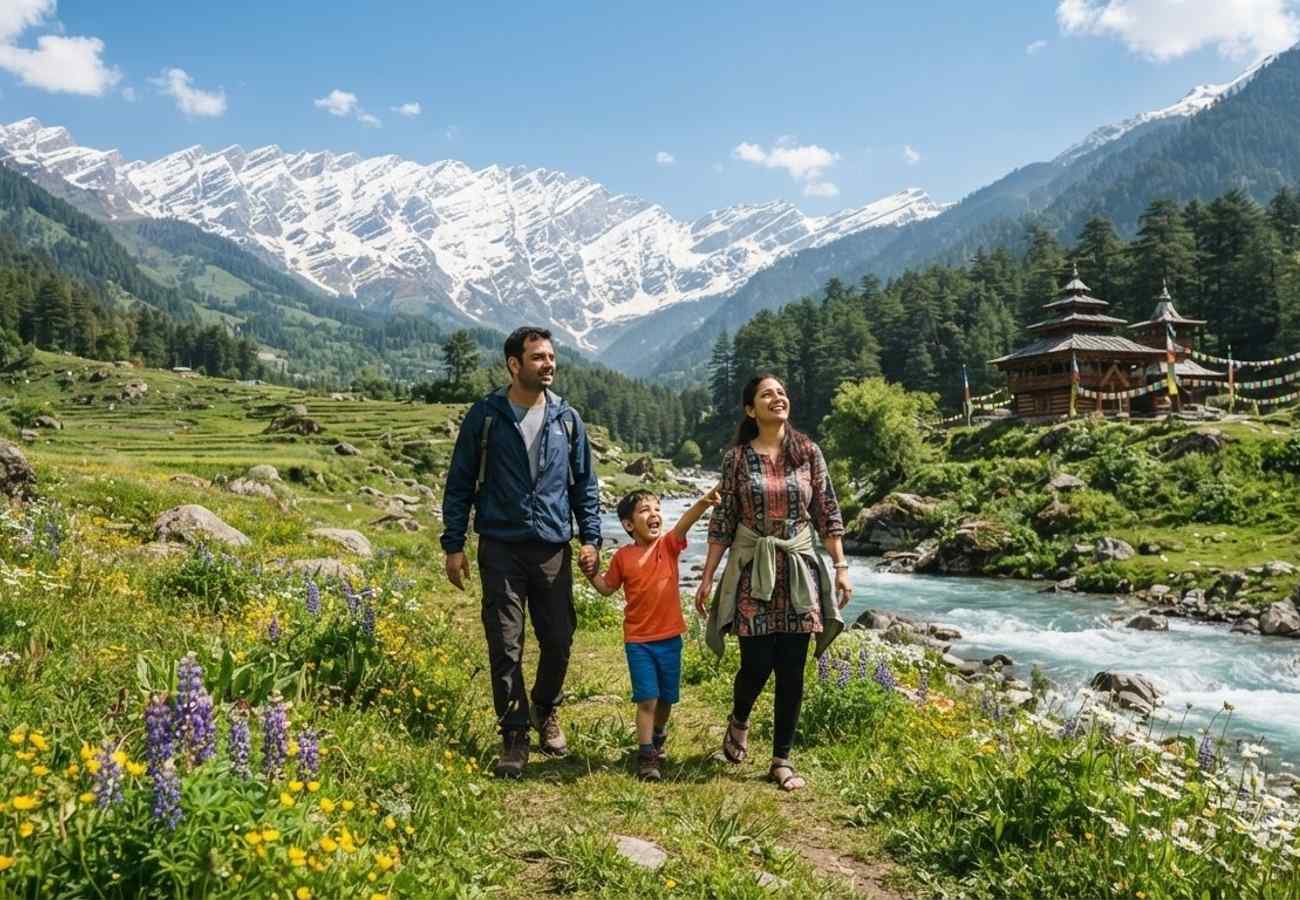
Image generated by AI
Indian plains frequently experience extreme thermal peaks, with temperatures reaching 45-47 degrees Celsius. To mitigate this, travelers are shifting toward high-altitude terrains and coastal regions to find climatic relief.
Strategic Summer Escapes Across India
Market trends indicate a strong preference for destinations that offer a combination of altitude and activity. From the Himalayan north to the Western Ghats, these ten locations provide the most effective respite from the summer heat.
Northern Highlands and Spiritual Hubs
Manali, Himachal Pradesh A primary hub for those seeking snow-capped peaks and river-based activities.
- Top Activities: Hadimba temple visits, Old Manali cafe culture, and high-adrenaline rafting or paragliding.
- Logistics: Fly into Bhuntar or utilize overnight bus services from Delhi.
Ladakh The high-altitude desert is most accessible during summer due to clear skies and manageable temperatures.
- Top Activities: Motorbike expeditions across rocky terrain, visiting Pangong Tso lake, and exploring Nubra Valley.
- Logistics: Leh airport connects directly to Delhi. The nearest railhead is Jammu Tawi (700km).
Kashmir Known for its meadows and lakes, this region remains a top-tier summer choice for luxury and nature.
- Top Activities: Dal Lake cruises, Srinagar's floating markets, and Gulmarg Gondola rides.
- Logistics: Fly into Srinagar; the nearest rail connection is Jammu (290km).
Rishikesh, Uttarakhand A hybrid destination blending spiritual wellness with extreme sports.
- Top Activities: Bungee jumping, river rafting, and evening Ganga Aarti at Lakshman Jhula.
- Logistics: Accessible via Jolly Grant airport or overnight buses from Delhi.
Coastal and Southern Retreats
Andaman and Nicobar Islands These islands offer a tropical alternative to the mountains, featuring rainforests and coral reefs.
- Top Activities: Scuba diving at Havelock Island, visiting Radhanagar Beach, and rainforest bird watching.
- Logistics: Limited flight connectivity to Port Blair.
Coorg, Karnataka Often called the "Scotland of India," this region is defined by coffee plantations and misty hills.
- Top Activities: Dubare Elephant Camp, Tibetan cultural sites, and wilderness camping.
- Logistics: Mangalore Airport (160km) is the primary air gateway; Mysuru is the nearest rail hub (95km).
Western and Eastern Hill Stations
Mahabaleshwar, Maharashtra Located in the Western Ghats, this spot is prized for its hiking and agriculture.
- Top Activities: Horse riding on the tableland and the May strawberry festival at Mapro Garden.
- Logistics: Accessible via private vehicle or bus from Mumbai; Pune serves as the nearest air/rail hub.
Kalimpong, West Bengal A low-density alternative for travelers avoiding peak tourist crowds.
- Top Activities: Pedong monastery visits and rafting on the Teesta river.
- Logistics: Fly into Bagdogra; use New Jalpaiguri as the rail gateway.
Darjeeling, West Bengal The "Queen of the Hills" remains a benchmark for Himalayan retreats.
- Top Activities: The historic Toy Train, Sandakphu trekking, and river rafting.
- Logistics: Fly to Bagdogra (96km) or use New Jalpaiguri railway station.
Dalhousie, Himachal Pradesh A family-oriented destination known for the Dhauladhar range views.
- Top Activities: Chamera Lake sailing, Khajjiar excursions, and Panchpula Waterfall treks.
- Logistics: Fly to Pathankot (75km) or take a train from Delhi or Jaipur to Pathankot.
Regional Connectivity Summary
| Destination | Primary Airport | Nearest Railway Station | Key Transit Hub |
|---|---|---|---|
| Manali | Bhuntar | N/A | Delhi |
| Ladakh | Leh | Jammu Tawi | Delhi |
| Kashmir | Srinagar | Jammu | Srinagar |
| Rishikesh | Jolly Grant | Rishikesh | Delhi |
| Andaman | Port Blair | N/A | Port Blair |
| Mahabaleshwar | Pune | Pune | Mumbai |
| Kalimpong | Bagdogra | New Jalpaiguri | Bagdogra |
| Darjeeling | Bagdogra | New Jalpaiguri | Bagdogra |
| Dalhousie | Pathankot | Pathankot | Delhi |
| Coorg | Mangalore | Mysuru | Bangalore |
Why This Matters: Industry Implication
Our analysis of Indian travel patterns suggests a growing "climatic migration" during Q2 and Q3. As urban heat islands in cities like Delhi and Mumbai intensify, the demand for high-altitude and coastal infrastructure is peaking.
The diversification of these destinations—ranging from the spiritual (Rishikesh) to the adventurous (Ladakh)—indicates that summer travel is no longer just about temperature relief; it is about specialized "experience-based" tourism. For the aviation and hospitality sectors, this necessitates increased seasonal capacity to secondary airports like Bhuntar, Leh, and Bagdogra to prevent bottlenecks during the peak heat months.
Industry Outlook
Expect a surge in "slow travel" and off-beat destination preference. While Manali and Darjeeling remain staples, we anticipate higher growth in "quiet" destinations like Kalimpong as travelers seek to avoid the over-tourism typical of major hill stations. Additionally, the integration of adventure sports into spiritual retreats, as seen in Rishikesh, will likely become the standard model for regional tourism development.
Strategic planning for summer transit should prioritize flexible bookings to account for seasonal weather volatility in the Himalayas.
Related Travel Guides
Disclaimer
This article is for informational and educational purposes only. It does not constitute legal, financial, or professional advice. While we strive to provide accurate and up-to-date information, travel policies, regulations, and conditions change rapidly. Always verify information with official sources before making travel decisions. Nomad Lawyer makes no representations about the accuracy, reliability, completeness, or suitability of the information provided. Readers should consult qualified professionals for advice specific to their circumstances. The views expressed in this article are those of the author and do not necessarily reflect the views of Nomad Lawyer.
Raushan Kumar
Founder & Lead Developer
Full-stack developer with 11+ years of experience and a passionate traveller. Raushan built Nomad Lawyer from the ground up with a vision to create the best travel and law experience on the web.
Learn more about our team →