
Zimbabwe and South Africa Implement Strict Airbnb Bans and Registration Laws to Fight Hyper-Tourism in 2026
Zimbabwe and South Africa are cracking down on unregulated short-term rentals with mandatory registrations and commercial tax hikes to reclaim residential housing from institutional investors.

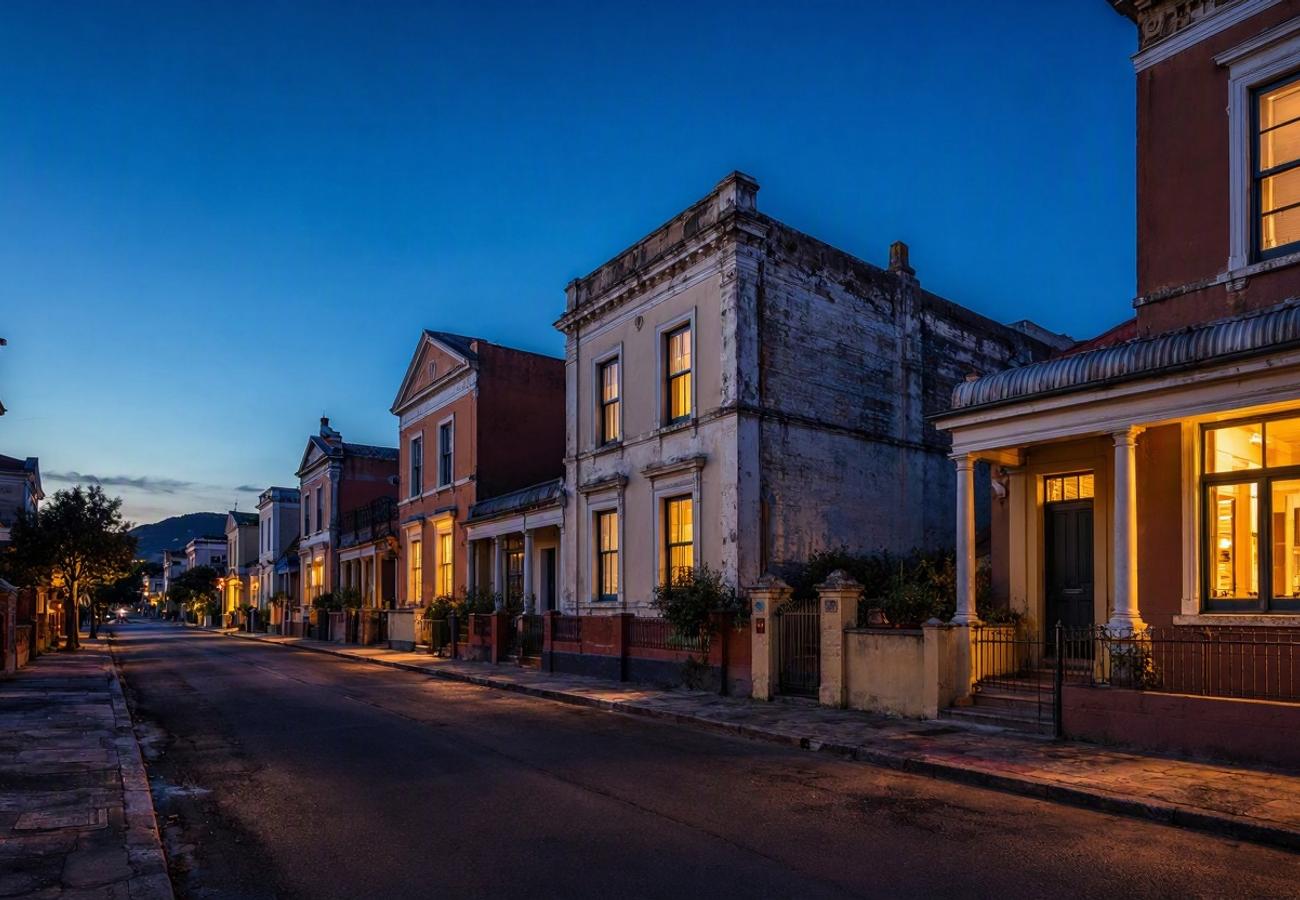
Image generated by AI
More than 25 non-compliant short-term rental facilities across six major cities were forcibly closed by Zimbabwean authorities in October 2026. This aggressive sweep marks a turning point for the region, as the government shifts from encouraging any form of tourism to purging "hyper-tourism" that threatens the stability of local residential neighborhoods.
The End of the Unregulated Homestay in Southern Africa
For years, the sharing economy operated in a grey area across Southern Africa, allowing homeowners and institutional investors to monetize residential properties without the overhead of traditional hotel licenses. However, by 2026, the tide turned. The shift from casual peer-to-peer hosting to industrial-scale property hoarding by investors has triggered a housing crisis, driving up rents for locals and hollowing out the civic heart of urban centers.
In response, Zimbabwe and South Africa are now implementing some of the most stringent short-term rental (STR) laws on the continent. The goal is no longer just tax collection; it is a deliberate attempt to reclaim residential zones from the grip of global booking platforms.
What Makes the 2026 Regulatory Shift Different
Unlike previous attempts at regulation, which often relied on voluntary compliance, the current mandates are backed by enforcement "blitzes" and mathematical tax triggers.
In Zimbabwe, the Zimbabwe Tourism Authority (ZTA) is utilizing Section 36 of the Tourism Act [Chapter 14:20] to treat unregistered Airbnbs as illegal commercial operations. The era of "hidden" rentals is over; if a property is not registered with the ZTA, it is subject to immediate closure.
South Africa, specifically the City of Cape Town, has introduced a "rate-paying fairness" model. Instead of a blanket ban, they are using a financial lever: the 50% availability threshold. If a property is listed for more than half the year, it is no longer viewed as a home—it is viewed as a business.
Regulatory Comparison: Zimbabwe vs. South Africa (2026)
| Feature | Zimbabwe (ZTA Mandate) | South Africa (Cape Town By-Law) |
|---|---|---|
| Primary Requirement | Mandatory Registration via Tourism Act | Unique City-issued STL Registration Number |
| Enforcement Action | Immediate closure of non-compliant sites | Reclassification to Commercial Tariff |
| Key Deadline | February 28, 2026 | Ongoing 2026 Consultations |
| Financial Penalty | Severe fines and facility shutdown | Commercial rates (historically 2x residential) |
| Threshold for Business | Any unregistered commercial use | Available > 183 nights per year |
Visitor Insider Tips
If you are planning a trip to Harare, Bulawayo, or Cape Town in late 2026, the way you book your stay must change to avoid disruptions.
- Verify the STL Number: When booking in Cape Town, ask your host for their City-issued short-term letting (STL) registration number. If they cannot provide one, there is a high risk the property could be flagged or shut down during your stay.
- Prioritize ZTA-Certified Stays: In Zimbabwe, stick to properties that explicitly mention their compliance with the Tourism Act. The ZTA has been active in six major cities, and unregistered "hidden gems" are currently the primary targets for closures.
- Expect Higher Prices: As properties shift from residential to commercial tax brackets, hosts are passing these costs to the traveler. Budget for a 15-20% increase in short-term rental costs.
- Explore Licensed Guesthouses: With the crackdown on Airbnbs, traditional licensed guesthouses are becoming the safer, more stable option for nomads and long-term travelers.
Cultural and Environmental Context
The push against hyper-tourism is a reaction to the "museumification" of cities. In many African hubs, the conversion of long-term rentals into tourist pods has led to a 30% drop in available housing for local workers over a five-year span. This creates a parasitic relationship where the people who run the city's services can no longer afford to live within it.
This movement mirrors a global trend toward "slow tourism." From the UNESCO World Heritage sites in Europe to the beaches of Bali, there is a growing realization that unregulated tourism destroys the very cultural authenticity that travelers seek. In Berlin, the Zweckentfremungsverbot (prohibition of misuse of housing) has already set the precedent for what Zimbabwe and South Africa are now doing: treating housing as a human right rather than a speculative asset.
FAQ: Visiting Zimbabwe and South Africa 2026
Will these laws make it harder to find accommodation? Initially, yes. Some "informal" rentals are disappearing. However, this is pushing more hosts to register legally, which will eventually lead to a safer, higher-quality inventory of verified stays.
Do I need a special visa for short-term stays in these regions? Visa requirements depend on your nationality and not the type of accommodation you use. Check the official embassy websites for the latest entry requirements for Zimbabwe and South Africa.
Are hotels more expensive than Airbnbs now? The gap is narrowing. As Airbnb hosts face double the municipal tax rates in cities like Cape Town, the price difference between a regulated hotel and a short-term rental is shrinking.
Is it safe to book a non-registered rental? It is risky. In Zimbabwe, the ZTA is actively closing non-compliant facilities. You risk your accommodation being shut down mid-trip without a refund from the platform.
The era of the "invisible hotel" is ending, making room for a tourism model that respects the people who actually call these cities home.
Related Travel Guides
Disclaimer
This article is for informational and educational purposes only. It does not constitute legal, financial, or professional advice. While we strive to provide accurate and up-to-date information, travel policies, regulations, and conditions change rapidly. Always verify information with official sources before making travel decisions. Nomad Lawyer makes no representations about the accuracy, reliability, completeness, or suitability of the information provided. Readers should consult qualified professionals for advice specific to their circumstances. The views expressed in this article are those of the author and do not necessarily reflect the views of Nomad Lawyer.
Raushan Kumar
Founder & Lead Developer
Full-stack developer with 11+ years of experience and a passionate traveller. Raushan built Nomad Lawyer from the ground up with a vision to create the best travel and law experience on the web.
Learn more about our team →