
Zannier Île de Bendor France Luxury Island Resort Opens as Zannier Bãi San Hô Vietnam Sets Design Standards
The luxury opening of Zannier Île de Bendor in France marks a shift toward destination-led hospitality, mirroring the architectural philosophy established at Zannier Bãi San Hô in Vietnam.

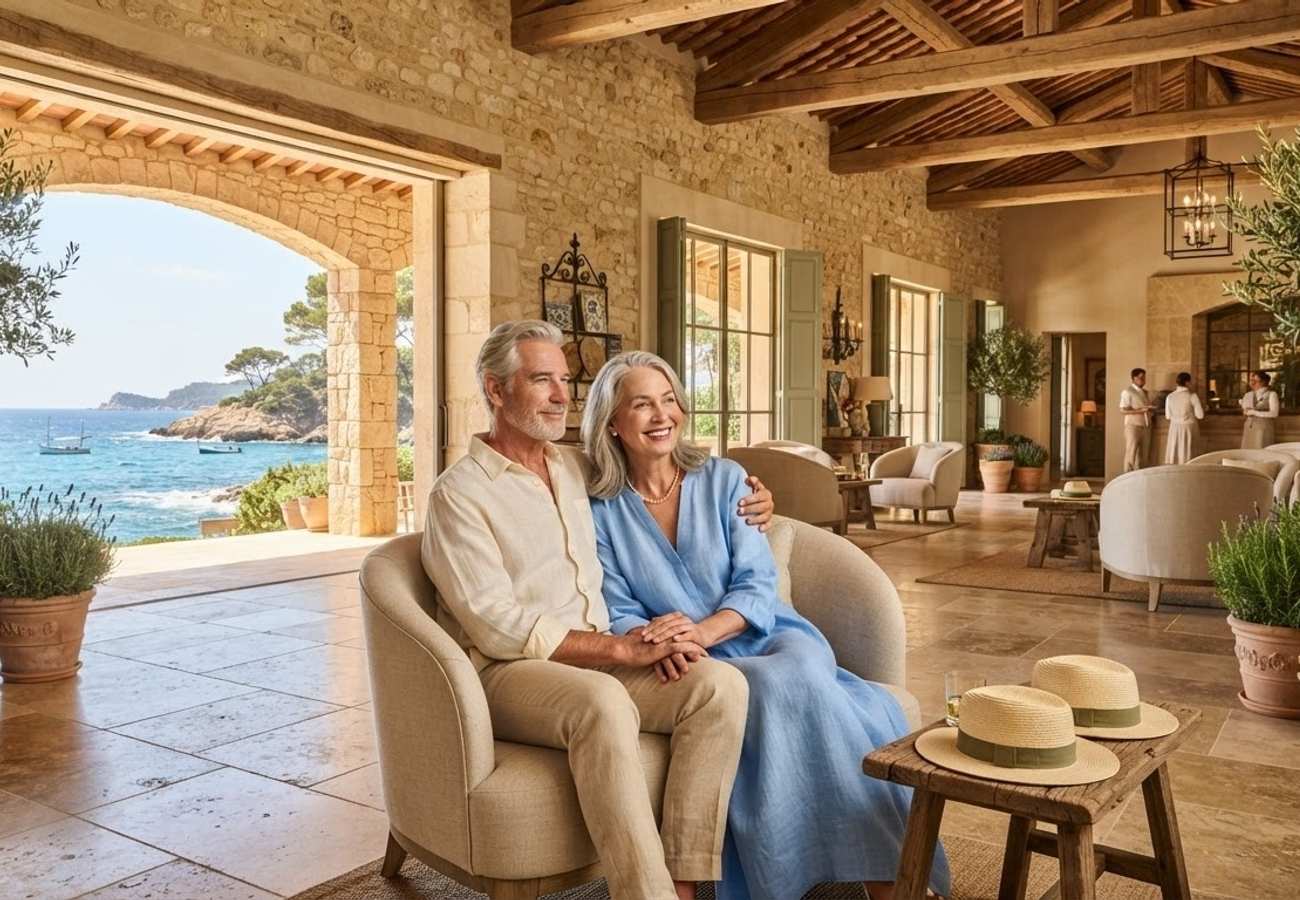
Image generated by AI
[Bandol, France] — The luxury hospitality sector in Europe has seen a significant addition with the unveiling of the retreat at Île de Bendor. Located off the coast of Bandol in the Provence region, this private island destination is drawing global attention for its commitment to a design-led concept that prioritizes Mediterranean cultural heritage over standardized luxury.
The project represents a collaboration between Zannier Hotels and Société Paul Ricard, transforming a seven-hectare island into a high-end sanctuary. The site carries a deep historical connection to French entrepreneur Paul Ricard, who originally envisioned the island in the mid-20th century as a center for Provençal craftsmanship and creative expression.
Revitalizing Provençal Heritage at Île de Bendor
The current development has transitioned the island into a modern luxury hub featuring 93 guest rooms. The infrastructure extends beyond accommodation, incorporating multiple dining establishments, specialized artisanal workshops, and an expansive wellness center.
Industry observers note that the project follows a growing trend in the European luxury market where heritage sites are not merely renovated but reinterpreted. By focusing on the "spirit of place," the resort avoids the sterile uniformity often found in global hotel chains. The architecture utilizes natural materials and traditional courtyard layouts, ensuring the built environment complements the rugged beauty of the Provence coastline.
The Destination-Led Philosophy of Zannier Hotels
The operational success of the France property is rooted in a strict hospitality mandate: the environment must dictate the design. According to reports on the brand's internal strategy, founder Arnaud Zannier maintains that luxury developments should emerge from a deep cultural understanding of the location rather than the application of a corporate template.
This approach requires an exhaustive exploration of a destination's social fabric, local architecture, and landscape before any construction begins. By prioritizing cultural immersion, the brand ensures that each property remains a unique entity. This site-specific methodology stands in stark contrast to conventional expansion models that rely on brand consistency across different geographies.
Zannier Bãi San Hô Vietnam as an Architectural Blueprint
The design language implemented in France finds its conceptual origin in the Zannier Bãi San Hô retreat in Vietnam. Located along the central coastline of Vietnam, this property served as the primary case study for the brand's immersive architectural approach.
The Vietnamese resort is noted for integrating diverse regional building styles, ranging from the aesthetics of traditional fishing villages to the structures of highland dwellings and rural farmhouses. By blending these varied influences, the property creates a layered cultural narrative rather than a singular aesthetic.
The Bãi San Hô estate is characterized by its integration into a diverse landscape of rice fields, forests, and coastal plains. Reports indicate that a substantial portion of the land was left untouched to preserve the natural ecosystem, establishing a precedent for low-impact construction that the brand has now carried over to the French Mediterranean.
Integrating Sustainability and Ecological Planning
Environmental preservation is a core pillar of the development strategy for both the France and Vietnam properties. The planning process for Île de Bendor focused on reducing built density to ensure the island's natural biodiversity remained the focal point of the guest experience.
By positioning structures to minimize ecological disruption, the brand aligns itself with international frameworks for responsible development in sensitive coastal ecosystems. This commitment to sustainability is reflected in the following operational priorities:
| Feature | Zannier Île de Bendor (France) | Zannier Bãi San Hô (Vietnam) |
|---|---|---|
| Primary Influence | Provençal Craftsmanship | Vietnamese Rural & Coastal Traditions |
| Key Infrastructure | 93 Rooms, Wellness Center, Workshops | Integrated Villas, Rice Field Preservation |
| Environmental Focus | Low Built Density, Coastal Protection | Low-Impact Construction, Biodiversity |
| Cultural Element | Mediterranean Artisanal Traditions | Regional Fishing & Highland Architecture |
| Gastronomy | Local Provence Sourcing | Vietnamese Heritage & Local Ingredients |
Global Expansion Across Diverse Terrains
The philosophy of "destination-first" hospitality is not limited to France and Vietnam. Zannier Hotels has expanded its footprint into Namibia, Cambodia, and other European regions. Despite the vast differences in climate and culture, the guiding principle remains the same: the identity of the destination must drive the guest experience.
In Namibia, this manifests as architecture that respects the desert landscape, while in Cambodia, it involves honoring Khmer heritage. This consistency in philosophy—despite a lack of consistency in visual style—allows the brand to appeal to a specific segment of high-net-worth travelers who value authenticity over predictability.
Shifting Demands in the Global Luxury Travel Market
The rise of Île de Bendor and the continued success of Zannier Bãi San Hô signal a fundamental shift in traveler preferences. Data suggests that the modern luxury traveler is moving away from "gold-standard" corporate luxury and toward "experiential" luxury.
This trend is particularly evident in the Asian and European markets, where boutique, site-specific resorts are seeing higher demand than large-scale international hotels. Vietnam, in particular, is emerging as a powerhouse for premium tourism, driven by improved infrastructure and a growing appetite for off-the-beaten-path destinations.
Why This Matters: The Evolution of "Invisible Luxury"
The strategic alignment between the French and Vietnamese properties reveals a transition toward what industry experts call "invisible luxury." In this model, the brand's presence is secondary to the destination's identity. By utilizing Zannier Bãi San Hô as a blueprint, the brand has proven that a philosophy of cultural humility—where the architect listens to the land—is scalable across different continents.
This approach mitigates the risk of "cultural erasure" often associated with luxury tourism. Instead of importing a foreign standard of luxury to Provence or Vietnam, the brand exports a methodology of preservation. For the wider aviation and travel industry, this indicates that the future of high-end tourism lies in the ability to offer privacy and exclusivity without sacrificing ecological or cultural integrity.
The intersection of heritage preservation and modern luxury continues to redefine the boundaries of global hospitality.
Related Travel Guides
Disclaimer
This article is for informational and educational purposes only. It does not constitute legal, financial, or professional advice. While we strive to provide accurate and up-to-date information, travel policies, regulations, and conditions change rapidly. Always verify information with official sources before making travel decisions. Nomad Lawyer makes no representations about the accuracy, reliability, completeness, or suitability of the information provided. Readers should consult qualified professionals for advice specific to their circumstances. The views expressed in this article are those of the author and do not necessarily reflect the views of Nomad Lawyer.
Kunal K Choudhary
Co-Founder & Contributor
A passionate traveller and tech enthusiast. Kunal contributes to the vision and growth of Nomad Lawyer, bringing fresh perspectives and driving the community forward.
Learn more about our team →