
Aviation Updates: Massive Zambia Safari Tourism Boom Strains Regional Air Networks, Triggering Localized Travel Chaos
An unprecedented surge in highly lucrative eco-tourism across Zambia's premier national parks is severely testing the absolute capacity of the region's specialized aviation infrastructure.

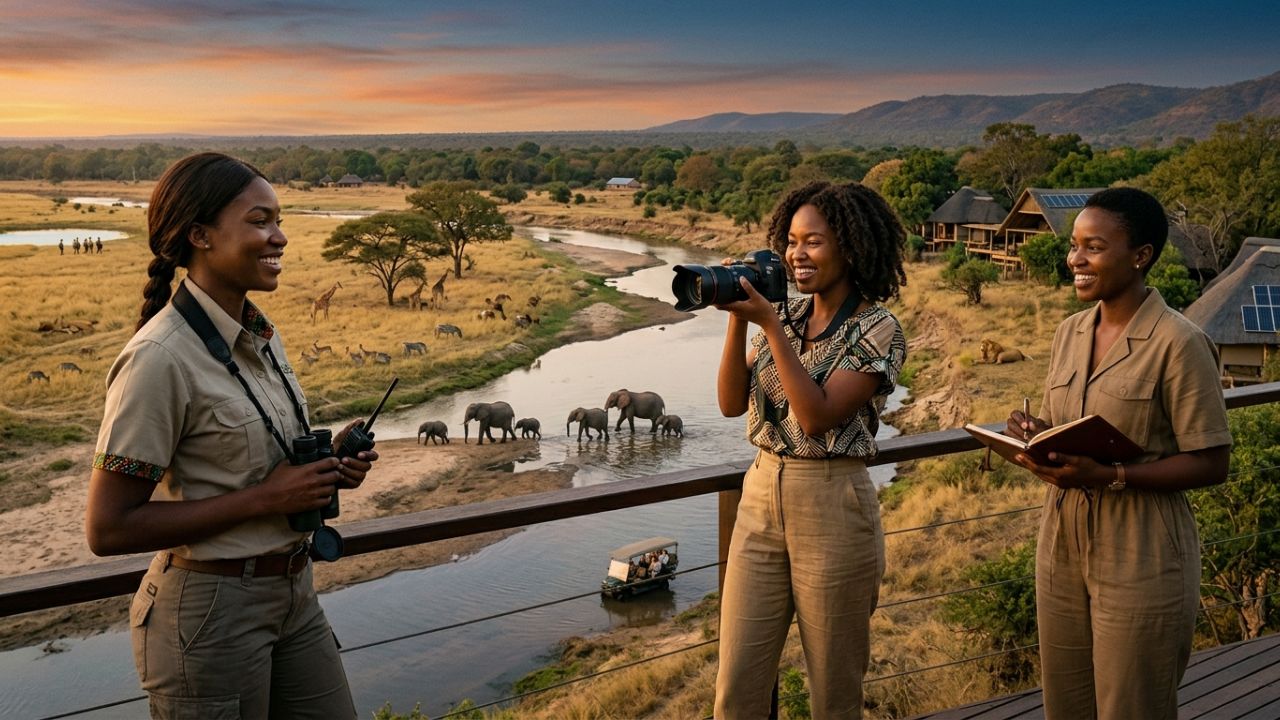
Image generated by AI
Aviation Updates: Massive Zambia Safari Tourism Boom Strains Regional Air Networks, Triggering Localized Travel Chaos
As affluent global travelers increasingly prioritize elite, low-impact African conservation safaris, the resulting explosion in passenger demand is forcefully testing the absolute limits of Zambia’s highly specialized regional aviation network.
While massive international transit hubs frequently battle the brutal realities of modern flight cancellations and severe, localized airport disruptions, a radically different type of extreme logistical strain is currently unfolding across the deep African wilderness. According to the absolute latest breaking airline news, Zambia is currently experiencing a completely unprecedented, highly lucrative explosion in premium safari eco-tourism. This massive influx of high-yielding international travelers is generating immense economic wealth for local conservation efforts, but it is also severely straining the region's highly specialized, low-capacity aviation infrastructure.
Heavily supported by official frameworks from the Zambia Tourism Agency and the Department of National Parks and Wildlife, this booming tourism model directly funds critical anti-poaching operations and massive rural community development. However, the sudden, intense demand to physically access incredibly remote wilderness areas—such as South Luangwa and Kafue National Parks—is fiercely overwhelming specialized charter airlines and bush airstrips. As affluent travelers flood into the country, the resulting bottleneck on regional flight networks occasionally triggers highly frustrating travel chaos, forcing major operators to frantically adjust complex bush flight schedules to safely accommodate the unprecedented surge.
Aviation Updates: The Scale of the Eco-Tourism Surge
This massive, highly structural shift in premium passenger behavior perfectly illustrates the intense logistical challenges inherent within high-end conservation tourism.
According to massive mobility data frameworks supported by UN Tourism sustainability guidelines, travel directly into Zambia's protected wilderness is absolutely no longer a niche market. Instead, it is actively and aggressively evolving into a massive, highly complex blend of high-end eco-tourism and active conservation funding. Because Zambia strictly enforces a highly protective, low-impact tourism model, the physical number of massive commercial aircraft permitted to enter sensitive ecological zones is heavily restricted.
Consequently, to physically transport thousands of affluent tourists into remote luxury lodges, the regional aviation network must rely entirely on a highly complex, deeply fragile web of small, specialized charter flights. Because these highly lucrative passengers heavily demand absolute scheduling reliability to maximize their wildlife viewing, any sudden, localized delays or weather-related airport disruptions instantly cascade across the entire bush network, destroying intricate, multi-lodge itineraries.
Section-Wise Breakdown: Navigating the Safari Air Corridors
The sudden, massive evolution of these critical bush routes actively impacts several incredibly distinct, highly sensitive ecological hubs.
The South Luangwa Aviation Gateway
South Luangwa National Park is universally regarded as the legendary birthplace of the guided walking safari, heavily emphasizing minimal environmental disruption. Because the park strictly limits massive commercial infrastructure, it relies heavily on extremely precise, high-frequency light aircraft operations. The sudden influx of international visitors heavily seeking these incredibly authentic outback adventures places immense, highly visible strain on local airstrips, occasionally leading to severe tarmac congestion as multiple luxury operators attempt to land simultaneously.
The Lower Zambezi and Kafue Corridors
Lower Zambezi National Park, famous for its elite river-based safari experiences, and Kafue National Park, which offers one of the absolute largest protected wilderness areas in Africa, are also experiencing massive capacity pressure. The highly seasonal nature of these premier destinations means that during peak wildlife viewing months, the specialized aviation network operates at absolute maximum capacity. Any sudden mechanical delays affecting these small, highly utilized regional aircraft instantly trigger massive logistical nightmares for lodge managers desperately awaiting inbound guests.
Flight Details and Verified Mobility Strain Matrix
To fully understand the exact structural parameters of this massive regional shift and how it heavily influences specialized airline fleet deployments, the following matrix explicitly details the massive changes in passenger travel economics.
Confirmed Zambian Eco-Tourism & Aviation Strain Matrix
| Verified Tourism Sector | Conservation & Economic Outcome | Primary Aviation Driver & Network Impact |
|---|---|---|
| Park Entry Logistics | Directly funds anti-poaching operations | Massive surge in demand for direct bush flights heavily strains localized air traffic control. |
| Luxury Lodge Partnerships | Funds advanced wildlife monitoring | Requires highly precise, flexible charter ticketing; highly vulnerable to sudden flight cancellations. |
| Guided Walking Safaris | Ensures deep habitat protection (Luangwa) | Relies heavily on rapid, low-impact regional flight transfers between highly remote, unpaved airstrips. |
| Foreign Exchange Influx | Drives massive rural infrastructure | Incredibly high-yield international passengers demand absolute, flawless regional aviation reliability. |
Data explicitly reflects the massive, highly structural changes heavily redefining Zambian eco-tourism mobility, directly forcing specialized regional airlines to radically adjust their operational strategies.
Passenger Impact: The High Stakes of Bush Flying
For the highly demanding, ultra-wealthy passengers actively engaged in this massive Zambian eco-tourism shift, traditional airline delays are frequently viewed as completely unacceptable.
Because these incredibly lucrative passengers have heavily invested massive fortunes into once-in-a-lifetime experiences designed to view highly endangered elephants, lions, leopards, and wild dogs, they heavily demand absolute scheduling perfection. However, navigating the African bush requires strict adherence to highly volatile weather patterns and strict daylight flying regulations. When unexpected storms or mechanical alerts ground these specialized aircraft, the resulting travel chaos is profound. Stranded guests may miss entire days of guided safaris, while lodges actively lose massive daily revenues. This intense mobility pressure is actively forcing specialized operators to heavily invest in larger, more reliable regional aircraft to mitigate the growing risk of highly unannounced airport disruptions.
Industry Analysis: Funding Conservation Through Transit
Aviation and conservation analysts strictly point out that this massive, multi-regional operational shift perfectly illustrates the extreme, highly vital importance of heavily optimized, sustainable airline routing.
Zambia’s incredible conservation success is heavily supported by massive, complex partnerships between government agencies, international conservation organizations, and highly specialized private tourism and aviation operators. Tourism revenue plays an absolutely central, undeniable role in directly funding these critical partnerships. Rangers and highly trained wildlife protection units explicitly rely heavily on tourism-derived funding to actively maintain their operational capacity in these incredibly remote park regions. Therefore, the absolute stability and continued expansion of Zambia's highly specialized regional aviation network is not merely an economic concern; it is an absolute biological necessity for the continued survival of Africa's most vulnerable species.
Conclusion: Balancing Capacity and Conservation
The massively evolving travel relationship directly linking global affluent tourists to the deep Zambian wilderness vividly reflects a much broader, highly critical structural transformation currently dominating modern global tourism.
Rather than violently operating as a mass-market destination, Zambia is successfully positioning itself as the absolute premier model for high-value, low-impact conservation tourism. This highly lucrative strategy is heavily supported by massive, ongoing investments in sustainable eco-lodges operating entirely on renewable energy. However, to absolutely ensure that the regional aviation network does not buckle under the immense pressure of this roaring demand, localized infrastructure must be carefully and sustainably upgraded. Travelers actively navigating this deeply connected, highly complex ecosystem must absolutely remain highly vigilant. To actively survive potential travel chaos during peak safari seasons, passengers must aggressively monitor all breaking aviation updates and actively maintain high scheduling flexibility when navigating the deep African bush.
Key Takeaways
- Massive Regional Strain: An unprecedented boom in premium eco-tourism is aggressively testing the limits of Zambia's highly specialized, low-capacity aviation network.
- Key Ecological Hubs: Remote airstrips serving South Luangwa, Lower Zambezi, and Kafue National Parks are actively experiencing massive seasonal congestion.
- Conservation Funding: The highly lucrative safari industry directly funds critical anti-poaching patrols and deep habitat protection programs.
- Aviation Vulnerability: The heavy reliance on small, specialized charter flights makes complex, multi-lodge itineraries incredibly vulnerable to sudden, cascading flight cancellations.
- Low-Impact Strategy: Zambia explicitly limits massive commercial aircraft to maintain its highly prized, low-density environmental footprint.
- Passenger Expectations: High-yield international passengers are heavily advised to build massive buffer times into their regional bush flight itineraries to completely avoid localized transit chaos.
Related Travel Guides
Massive UAE Visa Bombshell: Strict New 30-Day Escape Window Announced
Travel Chaos Cripples Spain as Iberia and Ryanair Suffer 1,079 Delays
Global Flight Cancellation and Compensation Guide 2026
Zambian wilderness.
Disclaimer
This article is for informational and educational purposes only. It does not constitute legal, financial, or professional advice. While we strive to provide accurate and up-to-date information, travel policies, regulations, and conditions change rapidly. Always verify information with official sources before making travel decisions. Nomad Lawyer makes no representations about the accuracy, reliability, completeness, or suitability of the information provided. Readers should consult qualified professionals for advice specific to their circumstances. The views expressed in this article are those of the author and do not necessarily reflect the views of Nomad Lawyer.
Preeti Gunjan
Contributor & Community Manager
A passionate traveller and community builder. Preeti helps grow the Nomad Lawyer community, fostering engagement and bringing the reader experience to life.
Learn more about our team →