
YQB Breaks Records With 376,456 New Seats and Direct Routes to Europe, Caribbean in 2026
Québec City's YQB airport announces 15% capacity surge with 2.9M total seats and new global routes to Paris, London, Fort-de-France, reshaping North American air travel accessibility.

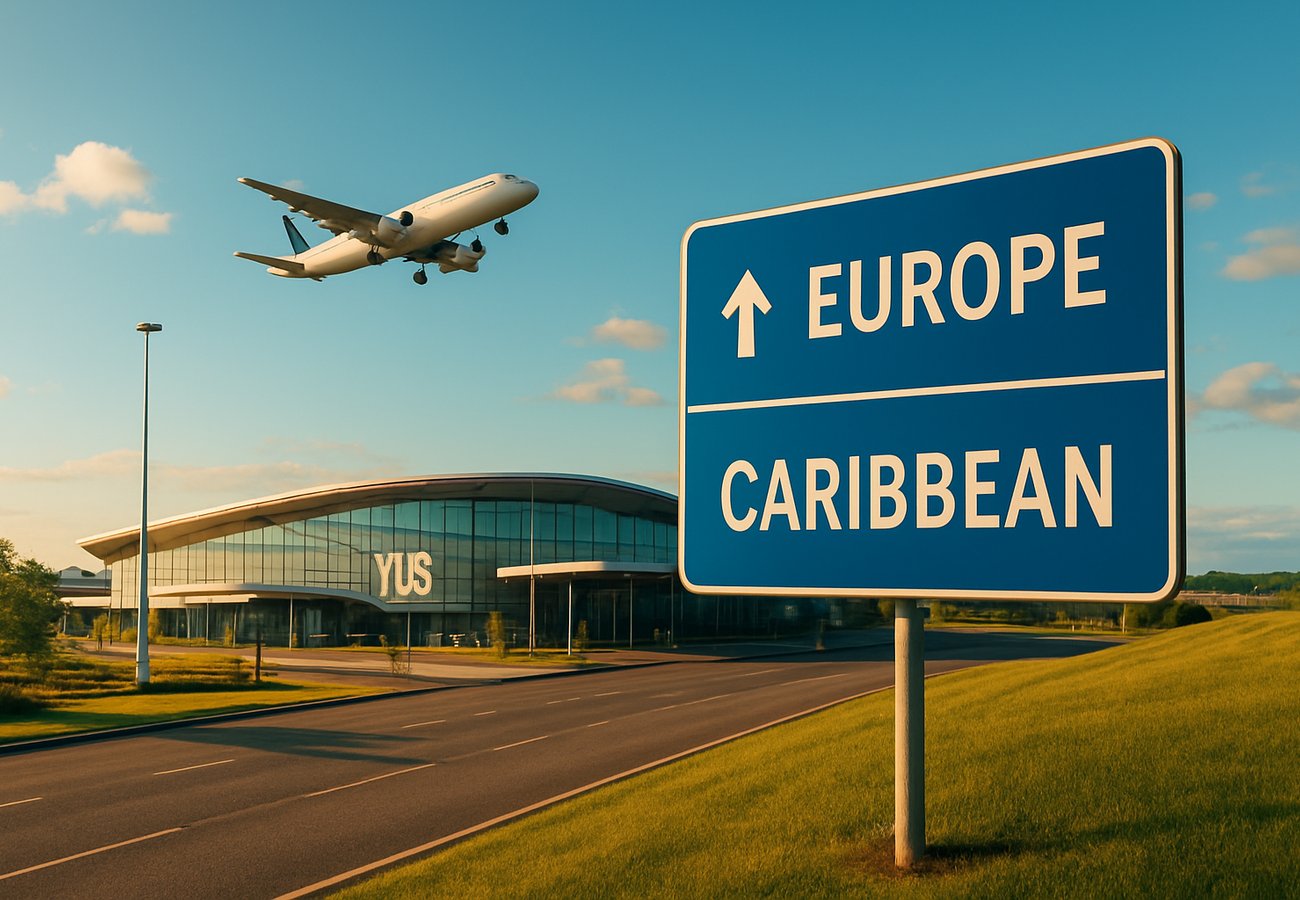
Image generated by AI
Québec City Jean Lesage International Airport (YQB) is unleashing a transformative expansion that will fundamentally reshape air travel connectivity across North America. The airport authority announced 376,456 additional seats entering the market in 2026, representing a staggering 15% surge in total flight capacity that will elevate the facility to nearly 2.9 million annual seats—marking the most aggressive growth phase in the airport's operational history.
This unprecedented expansion signals a seismic shift in how travelers access one of Canada's most culturally significant destinations. The capacity injection directly addresses mounting demand from both leisure and business segments, while simultaneously positioning YQB as a critical gateway for transatlantic and Caribbean connectivity. Industry analysts tracking global aviation trends note this expansion aligns with broader post-pandemic recovery patterns, where secondary and tertiary airports are capturing market share previously dominated by major metropolitan hubs.
Strategic Route Launches Reshape Continental Connectivity
The expansion blueprint reveals aggressive penetration into European markets, with YQB securing direct service to Nantes, Marseille, and Paris—complementing existing London and Dublin connections. Critically, the airport has negotiated seasonal Caribbean routes to Fort-de-France, tapping into the lucrative French Antilles leisure segment. Within North America, new direct flights to New York represent the first non-stop service on this route, while enhanced frequencies to Toronto, Calgary, Vancouver, and Miami strengthen domestic and cross-border accessibility.
Air Canada, American Airlines, and Porter Airlines are anchoring these route launches, with ticket demand already accelerating ahead of the 2026 summer season. According to aviation data platforms tracking booking patterns, advance purchase activity for YQB-originating flights has surged 23% year-over-year, suggesting travelers are responding decisively to expanded options. This competitive positioning directly impacts global aviation economics—as secondary airports increase capacity, they exert downward pressure on airfares while forcing legacy carriers to optimize route profitability through dynamic pricing strategies.
Economic Multiplier Effects Ripple Through Regional Tourism
The Québec City Tourism Board projects the capacity expansion will catalyze measurable growth across hospitality, retail, and convention sectors. Luxury hotel development has accelerated, with boutique properties under construction specifically targeting the anticipated influx of European and American visitors. The convention market stands to benefit substantially—increased airlift directly correlates with event organizers' ability to attract international delegates, a dynamic that strengthens Québec City's competitive positioning against rival Canadian destinations like Vancouver and Toronto.
Local economic modeling suggests the 376,456 new seats will generate approximately $180 million in incremental tourism spending annually, based on conservative per-passenger expenditure assumptions. This multiplier effect extends beyond traditional tourism—business travel recovery, corporate relocation considerations, and foreign direct investment decisions are all influenced by air connectivity quality. As noted by the International Air Transport Association (IATA), secondary airport expansions frequently precede broader regional economic acceleration, particularly in markets with authentic cultural positioning like Québec City.
Sustainability Framework Embedded in Growth Strategy
Notably, YQB's expansion incorporates environmental accountability mechanisms that distinguish this growth trajectory from legacy airport development models. The airport has committed to carbon offset programs across all new flights and is implementing infrastructure upgrades designed to reduce operational emissions. This alignment with Quebec's sustainable tourism positioning reflects evolving traveler preferences—research from the United Nations World Tourism Organization (UNWTO) demonstrates that 67% of international travelers now factor environmental credentials into destination selection.
The sustainability commitment extends to ground transportation integration, with enhanced public transit connections and electric vehicle charging infrastructure supporting the expanded passenger volumes. This holistic approach positions YQB as a model for responsible airport expansion, contrasting sharply with capacity-at-all-costs strategies that have drawn environmental scrutiny at major North American hubs.
What This Means for Travelers
Passengers originating from or connecting through Québec City will experience dramatically improved schedule frequency, reduced connection times, and competitive pricing as carriers compete for market share on newly launched routes. Business travelers gain direct access to major North American and European markets, eliminating costly connection requirements. Leisure travelers benefit from expanded Caribbean and European options, with seasonal pricing likely to reflect competitive pressure across the new route network. However, travelers should anticipate peak-season congestion during summer months, particularly on newly launched transatlantic services where demand will likely exceed initial capacity projections.
The expansion transforms YQB from a regional airport into a continental gateway, fundamentally altering travel economics for northeastern North America.
Looking Forward: Structural Transformation of North American Aviation
As YQB executes this capacity expansion, the airport joins a select cohort of secondary North American facilities reshaping regional aviation architecture. The 376,456 new seats represent not merely incremental growth but structural repositioning—Québec City transitions from a destination requiring connection strategies to a direct-access market for major origin-destination pairs. This shift has cascading implications for airline network planning, fuel prices impact airlines' route profitability calculations, and competitive dynamics across the broader North American aviation ecosystem.
The trajectory suggests continued expansion beyond 2026, with airport officials already evaluating additional European partnerships and potential Asian gateway development. For travelers, this represents an inflection point—the next 18 months will determine whether YQB successfully captures anticipated demand or faces capacity constraints that trigger pricing volatility. Monitoring official YQB announcements and carrier schedule releases will provide early signals of market reception and potential service adjustments.
Related Travel Guides
Disclaimer
This article is for informational and educational purposes only. It does not constitute legal, financial, or professional advice. While we strive to provide accurate and up-to-date information, travel policies, regulations, and conditions change rapidly. Always verify information with official sources before making travel decisions. Nomad Lawyer makes no representations about the accuracy, reliability, completeness, or suitability of the information provided. Readers should consult qualified professionals for advice specific to their circumstances. The views expressed in this article are those of the author and do not necessarily reflect the views of Nomad Lawyer.
Kunal K Choudhary
Co-Founder & Contributor
A passionate traveller and tech enthusiast. Kunal contributes to the vision and growth of Nomad Lawyer, bringing fresh perspectives and driving the community forward.
Learn more about our team →