
Yellowstone National Park Bison Attacks 2026: Legal Consequences of Wildlife Harassment
A recent bison attack on a 65-year-old tourist in Yellowstone National Park has reignited discussions on wildlife safety and the severe legal penalties for taunting animals.

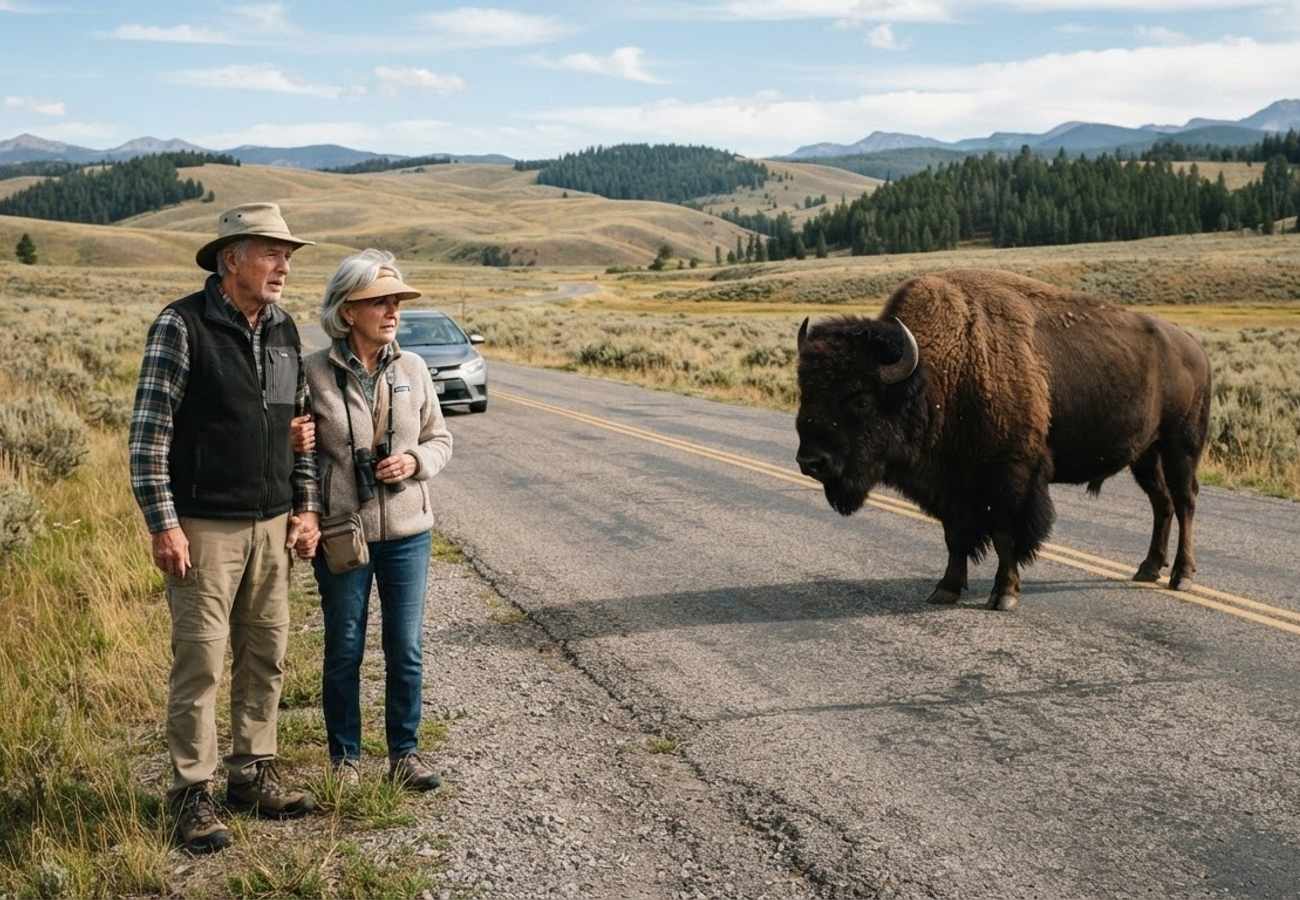
Image generated by AI
The recent image of a 65-year-old tourist, Carl Isom-McDaniel, being tossed into the air by a bison in Yellowstone National Park has served as a stark reminder of the volatility of native wildlife. While Isom-McDaniel's encounter was unintentional, it has brought renewed attention to a pattern of deliberate wildlife harassment that has led to criminal charges and long-term bans for other visitors.
The distinction between accidental proximity and active taunting is a critical legal boundary within the U.S. National Park System. When visitors move from passive observation to active provocation, they transition from being "victims of circumstance" to defendants in federal court.
The Legal Fallout of Wildlife Provocation
The dangers of ignoring park boundaries were exemplified by the case of Raymond Reinke. His history of disruptive behavior across multiple parks culminated in a severe encounter in Hayden Valley. After previously being arrested for disorderly conduct in Grand Teton and receiving citations in Yellowstone for intoxication and seatbelt violations, Reinke was filmed taunting a bison attempting to cross a busy roadway.
Reinke’s actions—specifically "egging on" the animal and narrowly escaping multiple bluff-charges—resulted in a coordinated law enforcement response. Due to the severity of the wildlife violations and his criminal history, the Oregon native faced a combination of jail time and mandatory rehabilitation.
The judicial penalties for Reinke included:
- 60 days in jail for wildlife harassment
- 60 days in jail for interfering with law enforcement
- 10 days in jail for disorderly conduct
- Mandatory chemical dependency treatment under probation
Beyond incarceration, Reinke was permanently banned from Yellowstone, Grand Teton, and Glacier National Parks.
Seasonal Aggression and Distance Mandates
Wildlife encounters often spike during the "rut," the mating season when male bison exhibit heightened aggression. In August 2025, another tourist was filmed taunting bison during this period, leading to an immediate attack and subsequent arrest by park rangers.
To prevent such incidents, Yellowstone enforces strict distance regulations. These are not mere suggestions but legal requirements:
- 25 Yards: Minimum distance for bison, elk, and moose.
- 100 Yards: Minimum distance for bears and wolves.
Failure to adhere to these guidelines can lead to significant legal liabilities. Wildlife harassment in Yellowstone is punishable by up to six months in jail and fines reaching $5,000. In extreme cases, offenders may face felony charges under the Endangered Species Act and be required to pay restitution.
Analysis of Recent Bison Encounters (2025–2026)
Data from the past 14 months indicates a steady stream of bison-related injuries, highlighting the risk to visitors regardless of their intent.
| Date | Incident Location | Victim/Details | Outcome |
|---|---|---|---|
| May 2025 | Lake Village area | 47-year-old tourist from Florida | Gored; minor injuries |
| June 2025 | Upper Geyser Basin (Old Faithful) | 30-year-old man from Randolph, NJ | Gored; minor injuries |
| June 2026 | Mud Volcano | 12-year-old child | Injured by nearby bison |
| July 2026 | General Park Area | 65-year-old Carl Isom-McDaniel | Tossed into air by bison |
The trend suggests that while deliberate taunting leads to arrests, "accidental" proximity—often driven by the desire for a closer photograph—still results in physical harm.
Managing Risk in National Parks
The rise in wildlife encounters is partly attributed to the increasing volume of tourists visiting the park. For the modern traveler, the "Information Gain" here is clear: the legal and physical risks of wildlife interaction are asymmetric. While a bison may only cause minor injuries in some cases, the legal system views the provocation of these animals as a serious offense against federal land and conservation efforts.
Visitors are urged to treat every animal as a potential threat, regardless of how "tame" they appear near roadways.
Related Travel Guides
Disclaimer
This article is for informational and educational purposes only. It does not constitute legal, financial, or professional advice. While we strive to provide accurate and up-to-date information, travel policies, regulations, and conditions change rapidly. Always verify information with official sources before making travel decisions. Nomad Lawyer makes no representations about the accuracy, reliability, completeness, or suitability of the information provided. Readers should consult qualified professionals for advice specific to their circumstances. The views expressed in this article are those of the author and do not necessarily reflect the views of Nomad Lawyer.
Raushan Kumar
Founder & Lead Developer
Full-stack developer with 11+ years of experience and a passionate traveller. Raushan built Nomad Lawyer from the ground up with a vision to create the best travel and law experience on the web.
Learn more about our team →