
XiamenAir, China Eastern and 10 Other Carriers Suspend 155 Flights Across China, Indonesia, Thailand, India and Taiwan in 2026
Major aviation disruptions across Asia see 155 flights suspended and over 600 delays affecting hubs in Bengaluru, Jakarta, and Bangkok due to operational constraints.

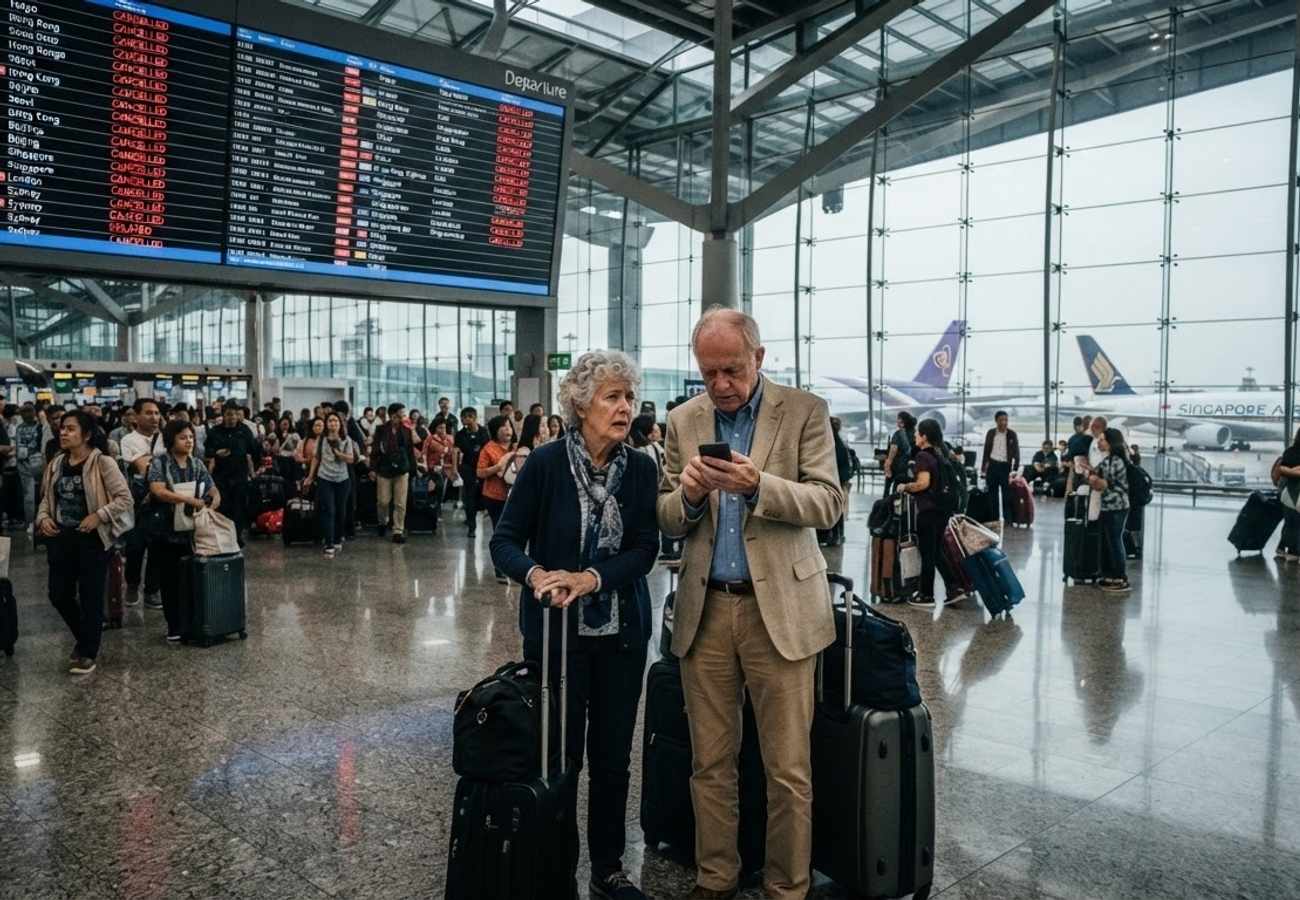
Image generated by AI
Regional aviation networks are facing severe operational instability as XiamenAir, Hainan Airlines, China Eastern, and Juneyao, among others, have suspended 155 flights. This disruption has triggered over 600 delays across critical hubs in China, Indonesia, Thailand, India, and Taiwan.
The systemic failure is attributed to a combination of fleet rotation issues, airport congestion, and broader network disruptions. Major metropolitan gateways, including Changsha, Jakarta, and Bangkok, are reporting significant bottlenecks as carriers struggle to realign schedules.
Flight and Airport Impact Breakdown
Our analysis of data from FlightAware indicates a concentrated impact across ten primary aviation hubs. The following breakdown details the specific cancellations and delays by carrier:
India and Southeast Asia Hubs
- Kempegowda International Airport Bengaluru (BLR): Akasa Air recorded the highest single-carrier impact with 15 cancellations (24% of its scheduled operations) and 1 delay.
- Jakarta Soekarno–Hatta International Airport (CGK): 14 total cancellations, including 11 by Batik Air, 2 by Garuda Indonesia, and 1 by China Airlines; Batik Air also reported 73 delays.
- Suvarnabhumi Airport, Bangkok (BKK): 13 cancellations, led by EVA Air (5), Thai Vietjet Air (3), and Spring Airlines (2).
China and Taiwan Hubs
- Taipei Songshan Airport (TSA): 24 cancellations, including 6 by EVA Air, 3 each by Mandarin Airlines, China Airlines, and Japan Airlines.
- Tianjin Binhai International Airport (TSN): 19 cancellations, primarily driven by Air China (9) and XiamenAir (4).
- Qingdao Jiaodong International Airport (TAO): 17 cancellations, with China Eastern (5) and Qingdao Airlines (3) most affected.
- Changsha Huanghua International Airport (CSX): 16 cancellations shared between XiamenAir, Hainan Airlines, and China Eastern.
- Changchun Longjia International Airport (CGQ): 16 cancellations, including 4 each by China Eastern and XiamenAir.
- Lanzhou Zhongchuan International Airport (LHW): 12 cancellations, with China Eastern reporting 30 delays.
- Dalian Zhoushuizi International Airport (DLC): 9 cancellations, including 38 delays for China Eastern.
Passenger Rights and Compensation Advisory
Passengers affected by these suspensions and delays should immediately determine if the disruption was within the airline's "operational control" or caused by "extraordinary circumstances" (such as extreme weather).
Rebooking and Refunds Under most national aviation policies and international guidelines, if a flight is cancelled, the carrier must offer:
- A full refund of the unused ticket.
- Re-routing to the final destination at the earliest opportunity.
- Alternative transport (trains or buses) where feasible.
Duty of Care (Vouchers and Accommodation) For delays exceeding a specific threshold (typically 2-4 hours depending on the jurisdiction), passengers are entitled to "Duty of Care" provisions:
- Refreshments: Vouchers for food and drinks commensurate with the waiting time.
- Communication: Access to phone calls or email.
- Overnight Stays: If re-routing requires an overnight stay, the airline must provide hotel accommodation and transport between the airport and the hotel.
Compensation Frameworks While these disruptions are centered in Asia, passengers on flights departing from the EU or operating under EU carriers may be eligible for compensation under EU261/2004, which can range from €250 to €600 depending on the flight distance and length of the delay. Travelers in India and Indonesia should reference their respective Directorate General of Civil Aviation (DGCA) or Ministry of Transportation guidelines for domestic compensation claims.
Industry Analyst View
The simultaneous failure of multiple carriers across five different territories suggests a systemic fragility in regional fleet rotations. When a primary hub like Changsha or Jakarta experiences congestion, the "ripple effect" disrupts aircraft positioning for subsequent flights in other countries.
The fact that Akasa Air suspended nearly a quarter of its operations at Bengaluru highlights a critical vulnerability in lean operational models. For the industry, this event underscores the need for increased buffer capacity in scheduling to prevent a localized delay from evolving into a regional crisis.
Travelers are advised to maintain flexibility and utilize real-time tracking systems to verify aircraft positioning before departing for the airport.
Related Travel Guides
Disclaimer
This article is for informational and educational purposes only. It does not constitute legal, financial, or professional advice. While we strive to provide accurate and up-to-date information, travel policies, regulations, and conditions change rapidly. Always verify information with official sources before making travel decisions. Nomad Lawyer makes no representations about the accuracy, reliability, completeness, or suitability of the information provided. Readers should consult qualified professionals for advice specific to their circumstances. The views expressed in this article are those of the author and do not necessarily reflect the views of Nomad Lawyer.
Kunal K Choudhary
Co-Founder & Contributor
A passionate traveller and tech enthusiast. Kunal contributes to the vision and growth of Nomad Lawyer, bringing fresh perspectives and driving the community forward.
Learn more about our team →