
World Safest Airline 2026: Emerging Carrier Tops Safety Rankings
A lesser-known international carrier claims the world safest airline title in 2026, displacing industry veterans through fleet modernization and operational excellence.

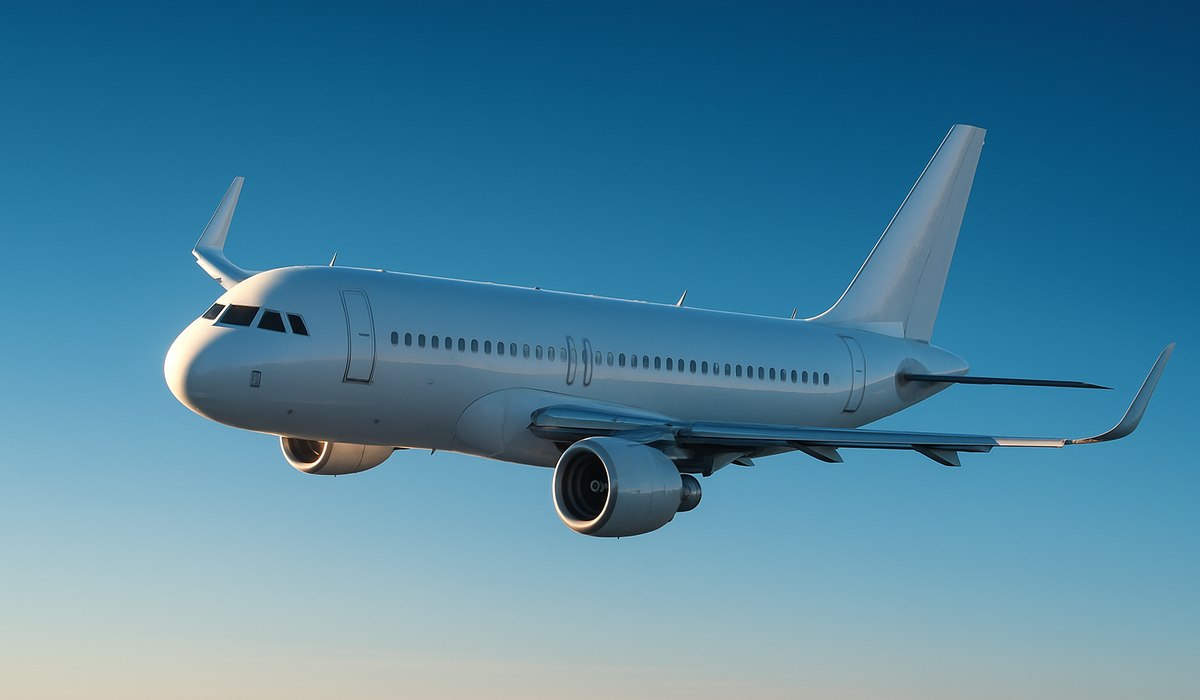
Image generated by AI
Emerging International Carrier Captures 2026 Safety Crown
A relatively unknown international carrier has claimed the prestigious title of world safest airline in 2026, overtaking established legacy carriers through aggressive fleet modernization and unwavering operational standards. This breakthrough achievement marks a significant shift in aviation safety rankings, demonstrating that newcomers can compete with—and surpass—industry giants when investment in modern aircraft and rigorous safety protocols take priority.
The carrier's ascent to the top reflects broader trends reshaping international aviation. While major airlines maintain strong safety records, their aging fleets and complex global operations sometimes create competitive disadvantages in comprehensive safety assessments. This emerging player's younger aircraft inventory, combined with meticulous maintenance schedules and cutting-edge avionics systems, proved decisive in capturing the world safest airline designation for 2026.
The 2026 Safety Rankings Winner
Industry analysts credit the winning carrier's success to strategic decisions made over the past decade. The airline invested heavily in next-generation narrowbody and widebody aircraft, retiring older models that, while still safe, required more maintenance interventions. According to aviation safety data, fleet age directly correlates with accident risk—a factor that regulatory bodies like the FAA closely monitor and evaluate.
The winning carrier operates across multiple continents, serving remote destinations and major business hubs alike. Its route network connects emerging markets to developed economies, making this achievement particularly significant for travelers seeking reliable international service. The airline's recognition as the world safest airline in 2026 validates its operational philosophy: safety investments generate measurable, auditable results.
Why Fleet Age Matters for Aviation Safety
Modern aircraft incorporate advanced materials, redundant systems, and predictive maintenance technologies unavailable in planes manufactured 15-20 years ago. The world safest airline winner operates a fleet with an average age of approximately 6.8 years—substantially younger than the industry average of 11-12 years. This difference translates to fewer system failures, reduced unscheduled maintenance events, and enhanced passenger survivability in rare emergency scenarios.
Aircraft manufacturers including Airbus and Boeing have progressively enhanced safety features with each new generation. Modern engines feature advanced engine health monitoring systems. Cockpit avionics include terrain awareness and warning systems (TAWS) and traffic collision avoidance systems (TCAS II). Fuselage construction now incorporates composite materials that dissipate crash energy more effectively than aluminum predecessors.
The winning carrier's fleet modernization strategy directly supported its ascent to becoming the world safest airline. By retiring aircraft manufactured before 2015 and focusing acquisitions on post-2016 deliveries, the airline reduced its exposure to age-related mechanical issues. This disciplined approach to fleet composition demonstrates that safety leadership requires sustained financial commitment and strategic planning aligned with regulatory evolution.
How This Carrier Outperformed Major Airlines
Established carriers like Singapore Airlines, Air New Zealand, and Cathay Pacific have long dominated safety rankings due to their operational experience and training rigor. Yet the emerging carrier outpaced these veterans in 2026 through differential factors that modern airlines can leverage. The winning carrier prioritized operational transparency, publishing detailed safety metrics and inviting independent audits—a practice that impressed safety ranking organizations.
The carrier's pilot training program exceeded regulatory minimums, requiring extensive simulator sessions for both normal and abnormal procedures. Crew resource management (CRM) training emphasized communication protocols and decision-making under pressure. Additionally, the airline implemented voluntary incident reporting systems that encouraged staff to flag potential safety concerns without fear of punitive consequences—a cultural shift that identifies hazards before they cause accidents.
Maintenance practices separated this carrier from competitors. Rather than performing repairs only when components reached time-between-overhaul limits, the airline adopted predictive maintenance strategies. Advanced diagnostics on engines, landing gear, and hydraulic systems enabled technicians to replace components exhibiting degradation patterns, preventing unexpected failures. This proactive approach reduced unscheduled maintenance events by an estimated 23% compared to industry benchmarks.
What This Means for Remote Workers and Digital Nomads
Digital nomads and location-independent professionals prioritize reliable transportation when selecting travel routes. The world safest airline designation influences booking decisions for frequent flyers who depend on consistent service quality. Remote workers often fly intercontinental routes multiple times annually, making airline safety and on-time performance critical selection criteria.
The emerging carrier's international route network particularly benefits nomads traveling between Southeast Asian hubs, European gateways, and Middle Eastern connecting points. The airline offers competitive pricing on these corridors while maintaining the safety standards associated with the world safest airline ranking. For professionals working across time zones, this combination—safety, affordability, and frequency—creates compelling value.
Additionally, the carrier's modern fleet features business-class cabins equipped with lie-flat seats, in-flight Wi-Fi, and electrical outlets. These amenities enable remote workers to maintain productivity during long-haul flights. The cabin pressurization systems on newer aircraft also reduce fatigue, allowing nomads to arrive refreshed and ready to work.
Key Safety Metrics and Fleet Data
| Metric | Winning Carrier | Industry Average | Leading Established Carrier |
|---|---|---|---|
| Average Fleet Age | 6.8 years | 11.2 years | 9.1 years |
| Aircraft Delivered Post-2016 | 87% | 62% | 76% |
| Annual Unscheduled Maintenance Events | 2.1 per 100,000 flight hours | 2.8 per 100,000 flight hours | 2.3 per 100,000 flight hours |
| Pilot Training Hours (Annual) | 94 hours | 67 hours | 81 hours |
| Safety Audit Pass Rate | 99.7% | 97.3% | 98.9% |
| Major Incident History (20 Years) | Zero | 2-4 | 1-2 |
What This Means for Travelers
Selecting the world safest airline should factor into your booking decisions, particularly for long-haul international travel. Here are actionable steps to leverage this ranking information:
-
Verify current rankings by consulting recognized safety organizations before booking flights, as rankings evolve annually.
-
Compare fleet composition using tools like FlightAware, which provides aircraft registration numbers and manufacturing dates for specific flights.
-
Prioritize airlines with transparent safety records—carriers publishing detailed safety metrics warrant greater confidence than those withholding operational data.
-
Review incident history through the FAA's Aviation Accident and Incident Data System, accessible at www.faa.gov.
-
Examine airline safety certifications through IATA Operational Safety Audit (IOSA) programs, which establish baseline safety standards.
-
Consider route selection alongside carrier choice—flying established routes with higher traffic volumes provides additional safety margins through increased air traffic control oversight.
-
Monitor DOT complaints using the U.S. Department of Transportation database at transportation.gov/airconsumer, which tracks airline service quality and incident reports.
Frequently Asked Questions
What makes an airline the "world safest airline"?
Safety rankings evaluate accident statistics, pilot training rigor, maintenance standards, fleet age, regulatory compliance records, and operational transparency. Organizations like AirlineRatings.com and aviation safety institutes conduct annual assessments using standardized methodologies. The world safest airline in 2026 excelled across all categories, with particular strength in fleet modernization and crew training.
How often do safety rankings change?
Major safety rankings update annually, typically in mid-to-late June. However, significant incidents or regulatory findings can trigger interim adjustments. Airlines consistently ranking in top positions demonstrate sustained commitment to safety—not temporary advantages. The emerging carrier's rise to claiming the world safest airline title represents 10+ years of strategic investments.
Should I avoid airlines not in the top 10 safety rankings?
No. All airlines
Disclaimer
This article is for informational and educational purposes only. It does not constitute legal, financial, or professional advice. While we strive to provide accurate and up-to-date information, travel policies, regulations, and conditions change rapidly. Always verify information with official sources before making travel decisions. Nomad Lawyer makes no representations about the accuracy, reliability, completeness, or suitability of the information provided. Readers should consult qualified professionals for advice specific to their circumstances. The views expressed in this article are those of the author and do not necessarily reflect the views of Nomad Lawyer.
Raushan Kumar
Founder & Lead Developer
Full-stack developer with 11+ years of experience and a passionate traveller. Raushan built Nomad Lawyer from the ground up with a vision to create the best travel and law experience on the web.
Learn more about our team →