
World Largest Forces: F-35 Lightning II Dominates Global Air Power in 2026
The F-35 Lightning II has become the world's largest defense project, reshaping military aviation across allied nations in 2026. Explore F-35 fleet distribution, manufacturing hubs, and geopolitical implications for travelers and defense watchers worldwide.

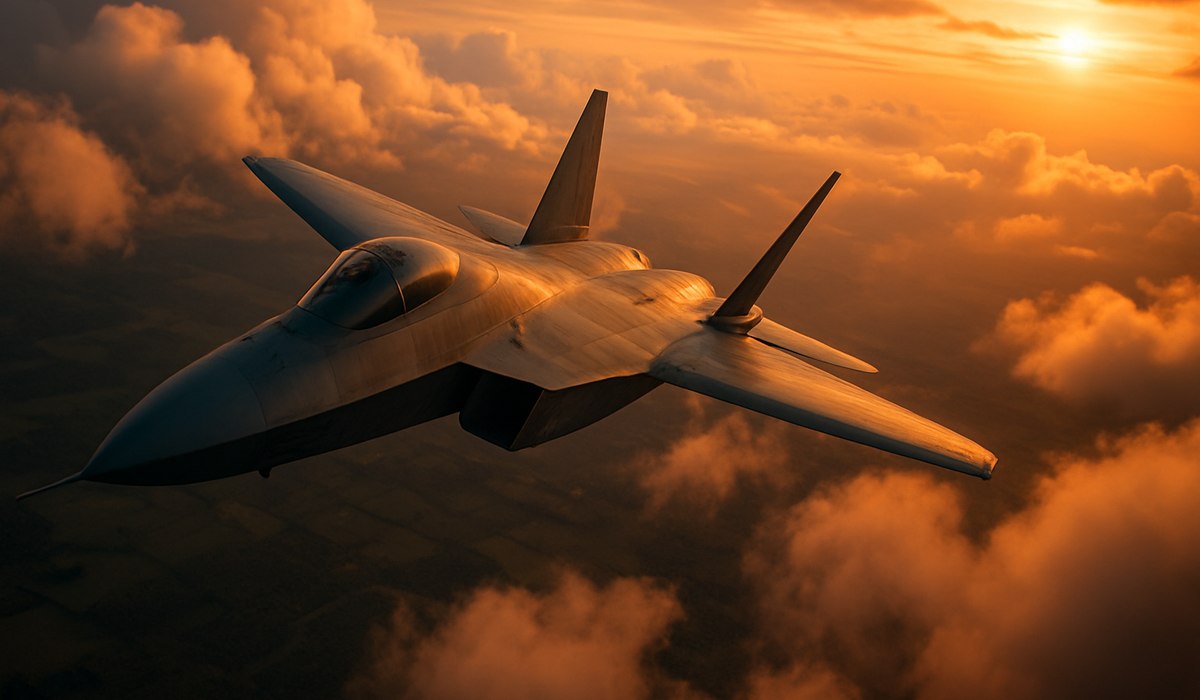
Image generated by AI
The F-35 Lightning II: From Concept to Global Dominance
The F-35 Lightning II has transformed into history's most expansive defense project, fundamentally reshaping air power across allied nations worldwide. Since its inception in 2001, the Lockheed Martin Joint Strike Fighter program has evolved into the world largest forces modernization initiative ever undertaken. The aircraft's rapid proliferation across NATO members, Indo-Pacific partners, and Middle Eastern allies demonstrates unprecedented international cooperation in military aviation technology. This 25-year development journey has repositioned how allied air forces approach combat capability, interoperability, and strategic deterrence in contested airspace.
The significance of the world largest forces program extends beyond hardware procurement. It reflects a fundamental shift in 21st-century air power doctrine where standardization and shared intelligence networks matter as much as individual aircraft performance. Airlines and commercial aviation sectors closely monitor military aviation trends because they influence airspace management, airport security protocols, and international relations affecting travel corridors.
Manufacturing Hub: Fort Worth and International Assembly Lines
Lockheed Martin's Fort Worth facility in Texas serves as the primary production center for the world largest forces initiative. The so-called "Bomber Plant" manufactures the majority of F-35 airframes destined for US military services and allied export customers. This Texas hub employs thousands of skilled technicians and engineers who coordinate supply chains spanning multiple continents.
However, Fort Worth no longer operates as the sole manufacturing center. International partnership agreements established two additional final assembly lines that support the world largest forces distribution network. The Cameri facility in Italy handles European and Middle Eastern production requirements, while Nagoya in Japan manages Indo-Pacific assembly operations. This geographic diversification accelerates delivery timelines and reduces supply chain vulnerabilities. Each manufacturing location maintains identical quality standards and technical specifications, ensuring consistent capability across all allied air forces. Travelers flying international routes benefit indirectly from this distributed production model, as allied air superiority capabilities enhance airspace security and stability.
Visit Lockheed Martin's official site for verified manufacturing information and technical specifications.
Which Nations Lead in F-35 Fleet Numbers
The world largest forces program distribution reveals shifting air power hierarchies among allied nations. The United States maintains the largest single F-35 inventory, with over 600 aircraft operational or on order. Turkey, Italy, the Netherlands, and Denmark rank among the top international operators, though acquisition numbers vary based on defense budgets and geopolitical priorities.
Israel has emerged as a leading regional F-35 operator, with approximately 50 aircraft integrated into its air force. South Korea, Japan, Australia, and Canada pursue substantial fleet expansion programs that will influence Asia-Pacific military balance. NATO countries collectively operate more F-35s than any opposing air force, strengthening alliance cohesion through standardized training, maintenance protocols, and tactical interoperability.
The world largest forces deployment strategy prioritizes allied nations sharing intelligence-sharing agreements and compatible defense infrastructure. This selectivity reflects US export control policies and security considerations around advanced fighter technology. Aspiring operators like Poland, Romania, and Portugal await delivery schedules that could stretch into the 2030s given production constraints.
Geopolitical Implications of F-35 Proliferation
The F-35 Lightning II's widespread adoption among allied militaries carries significant geopolitical ramifications. Potential adversaries—particularly China and Russia—view the world largest forces expansion as a coordinated containment strategy. Both nations accelerate indigenous fighter development programs like China's J-20 and Russia's Su-57 in response.
This military technology competition directly affects international relations along contested borders. Taiwan, South Korea, and Eastern European nations rely on F-35 capabilities as deterrents against regional aggression. The aircraft's advanced sensor fusion and network-centric warfare capabilities create asymmetric advantages for allied air forces operating integrated battle management systems.
Travelers crossing airspace in regions experiencing great power tensions benefit from enhanced air defense capabilities and sophisticated air traffic control systems that F-35 infrastructure modernizations often facilitate. Simultaneously, heightened geopolitical competition occasionally triggers travel disruptions when military exercises coincide with commercial aviation corridors. Monitoring regional security developments helps international travelers plan more resilient itineraries.
| Nation | F-35A Orders | F-35B Orders | F-35C Orders | Operational Status | Delivery Timeline |
|---|---|---|---|---|---|
| United States | 1,763 | 340 | 273 | 600+ Active | Ongoing through 2040s |
| Italy | 90 | — | — | 45+ Active | 2026-2032 |
| Netherlands | 35 | — | — | 28+ Active | 2025-2029 |
| Denmark | 27 | — | — | 15+ Active | 2024-2030 |
| Canada | 88 | — | — | 15+ Active | 2025-2032 |
| Japan | 105 | 42 | — | 22+ Active | 2025-2035 |
| South Korea | 120 | — | — | 18+ Active | 2026-2030 |
| Australia | 100 | — | — | 32+ Active | 2024-2031 |
What This Means for Travelers
The world largest forces aircraft modernization programs influence commercial aviation security, airspace management, and international travel policies. Understanding these military developments helps travelers anticipate infrastructure changes and geopolitical risk factors affecting their journeys.
Traveler Action Checklist:
-
Monitor regional military exercise schedules through FAA notices before booking flights near contested regions or major military installations.
-
Review your airline's contingency protocols for airspace closures by checking FlightAware for real-time disruption tracking.
-
Purchase comprehensive travel insurance covering geopolitical disruptions, particularly for trips to Asia-Pacific, Eastern European, or Middle Eastern destinations.
-
Track allied military capability expansions in your destination countries through defense ministry announcements, which sometimes trigger temporary airspace restrictions.
-
File flight plans with flexibility regarding routing alternatives if military operations might affect direct flight paths.
-
Subscribe to airline alerts for schedule changes caused by military exercise conflicts during peak booking seasons.
-
Verify airport security level changes at major hubs near military facilities by reviewing current travel advisories before departure.
FAQ
What is the world largest forces program and why does it matter to travelers?
The F-35 Lightning II program represents history's largest defense initiative since 2001. For travelers, it matters because allied air superiority modernization improves airspace security, enhances air traffic control systems, and occasionally triggers temporary flight disruptions when military exercises overlap commercial aviation corridors.
How many F-35 aircraft does each country operate currently?
The United States operates over 600 F-35s, while major allied operators include Italy (45+), Australia (32+), Japan (22+), Canada (15+), Denmark (15+), and South Korea (18+). Operational numbers continue expanding as nations receive additional aircraft from manufacturing facilities in Texas, Italy, and Japan.
Why does the F-35 cost so much and affect defense budgets?
Development costs exceeded $1.7 trillion across all variants and allied nations, making it history's most expensive weapons program. These expenses stem from advanced sensor technology, stealth capabilities, and global supply chain complexity. Higher defense budgets sometimes reduce funding for infrastructure projects affecting civilian airports.
Will F-35 operations disrupt my commercial flights?
Military exercises occasionally require temporary airspace restrictions affecting commercial routes. Most disruptions occur during scheduled training events announced weeks in advance. Airlines adjust flight paths
Disclaimer
This article is for informational and educational purposes only. It does not constitute legal, financial, or professional advice. While we strive to provide accurate and up-to-date information, travel policies, regulations, and conditions change rapidly. Always verify information with official sources before making travel decisions. Nomad Lawyer makes no representations about the accuracy, reliability, completeness, or suitability of the information provided. Readers should consult qualified professionals for advice specific to their circumstances. The views expressed in this article are those of the author and do not necessarily reflect the views of Nomad Lawyer.
Raushan Kumar
Founder & Lead Developer
Full-stack developer with 11+ years of experience and a passionate traveller. Raushan built Nomad Lawyer from the ground up with a vision to create the best travel and law experience on the web.
Learn more about our team →